

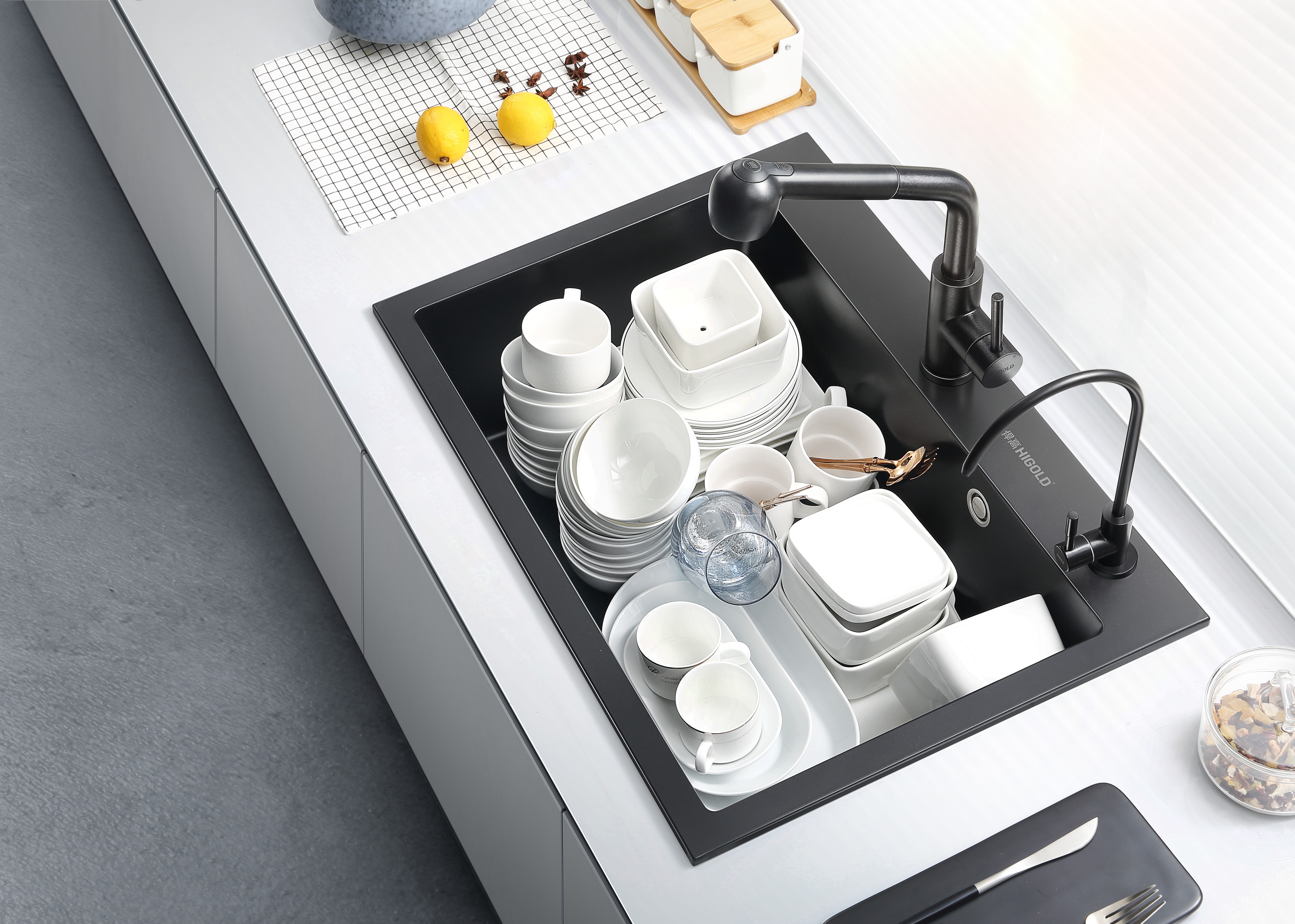
Among numerous kitchen sanitary wares, the quartz sink has stood out for its sturdy texture, elegant appearance and excellent anti-staining performance. As the most popular category on the market, the quartz composite sink is made of natural quartz sand and high-grade acrylic resin through high-pressure compression molding. Compared with double sinks, the single sink is favored by most families for its large basin space, simple structure and strong practicability. Whether it is a basic quartz sink or a high-density quartz composite sink, especially a commonly used single sink, it relies on standardized daily maintenance to maintain long-term beauty and stable performance. Although the quartz composite sink features high hardness, high temperature resistance and compact non-porous structure, improper daily use will still cause water marks, yellowing and luster loss. This article provides systematic maintenance tips for thesingle sink to help every user extend the service life of their quartz sink.
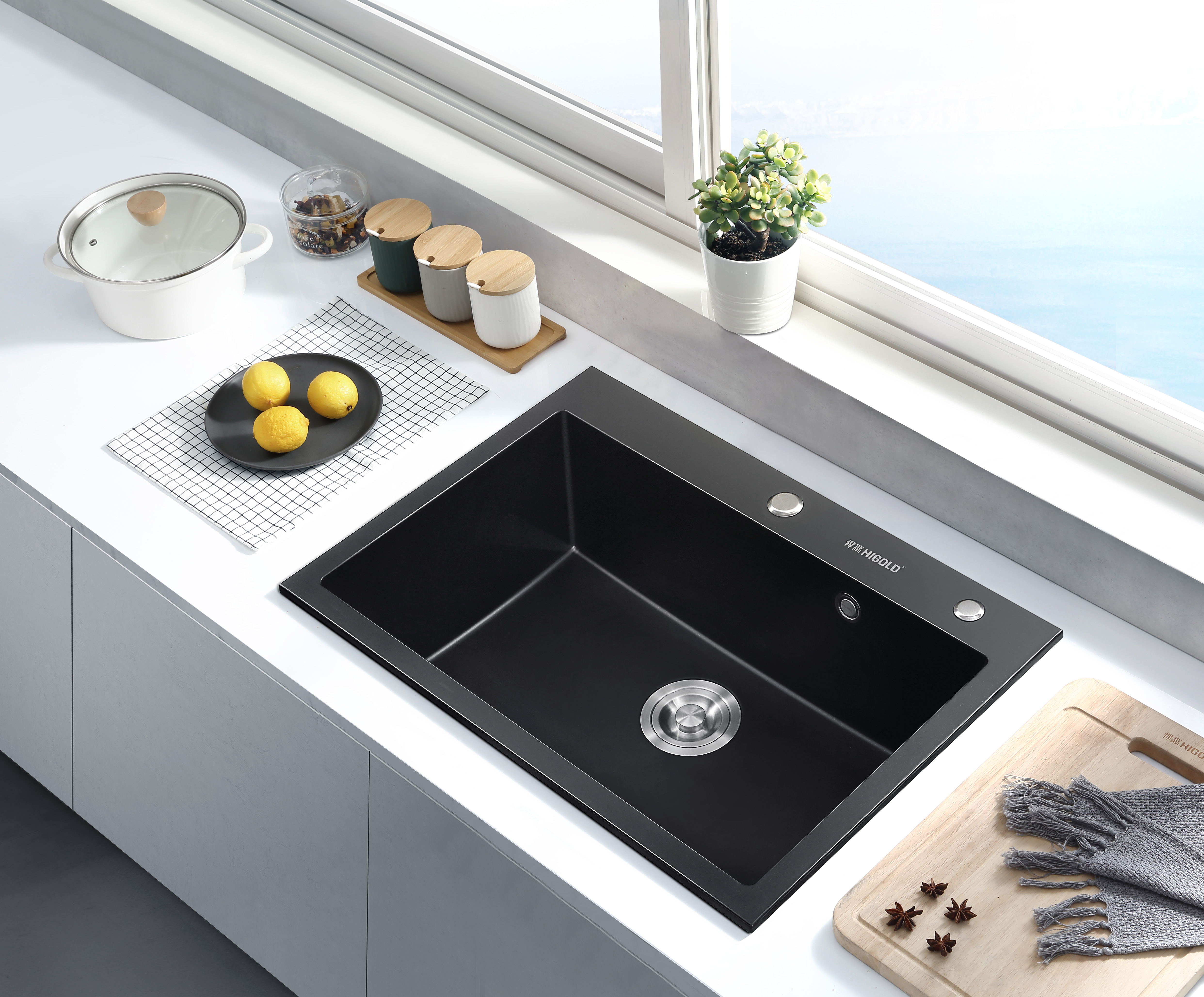
1. Daily Gentle Cleaning: Keep the Quartz Sink Tidy
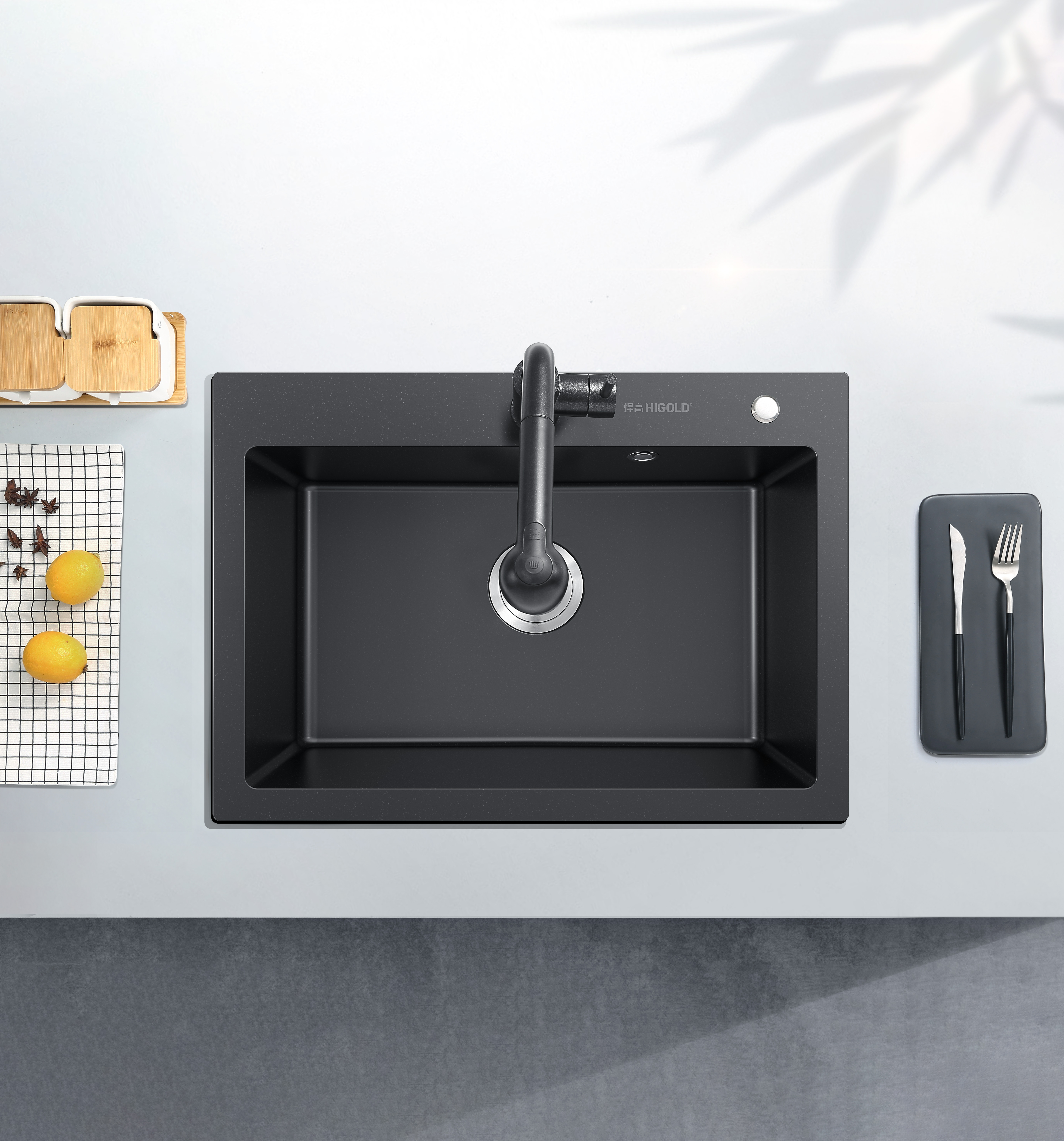
2. High Temperature Protection: Avoid Thermal Damage to Composite Material
Most users mistakenly believe that the high-hardness quartz sink can withstand arbitrary high-temperature impact. In fact, although the quartz composite sink has reliable thermal stability, its internal resin binder is sensitive to sustained high temperature. For a single sink with a large integrated basin, do not place boiling hot frying pans and soup pots directly on the sink surface. Long-term local high temperature will accelerate resin aging, resulting in local fading and yellowing of the quartz sink. In addition, never pour boiling water into a cold single sink in a short time. Violent temperature difference will produce invisible internal cracks on the quartz composite sink, silently weakening the structural stability and shortening the overall service life.
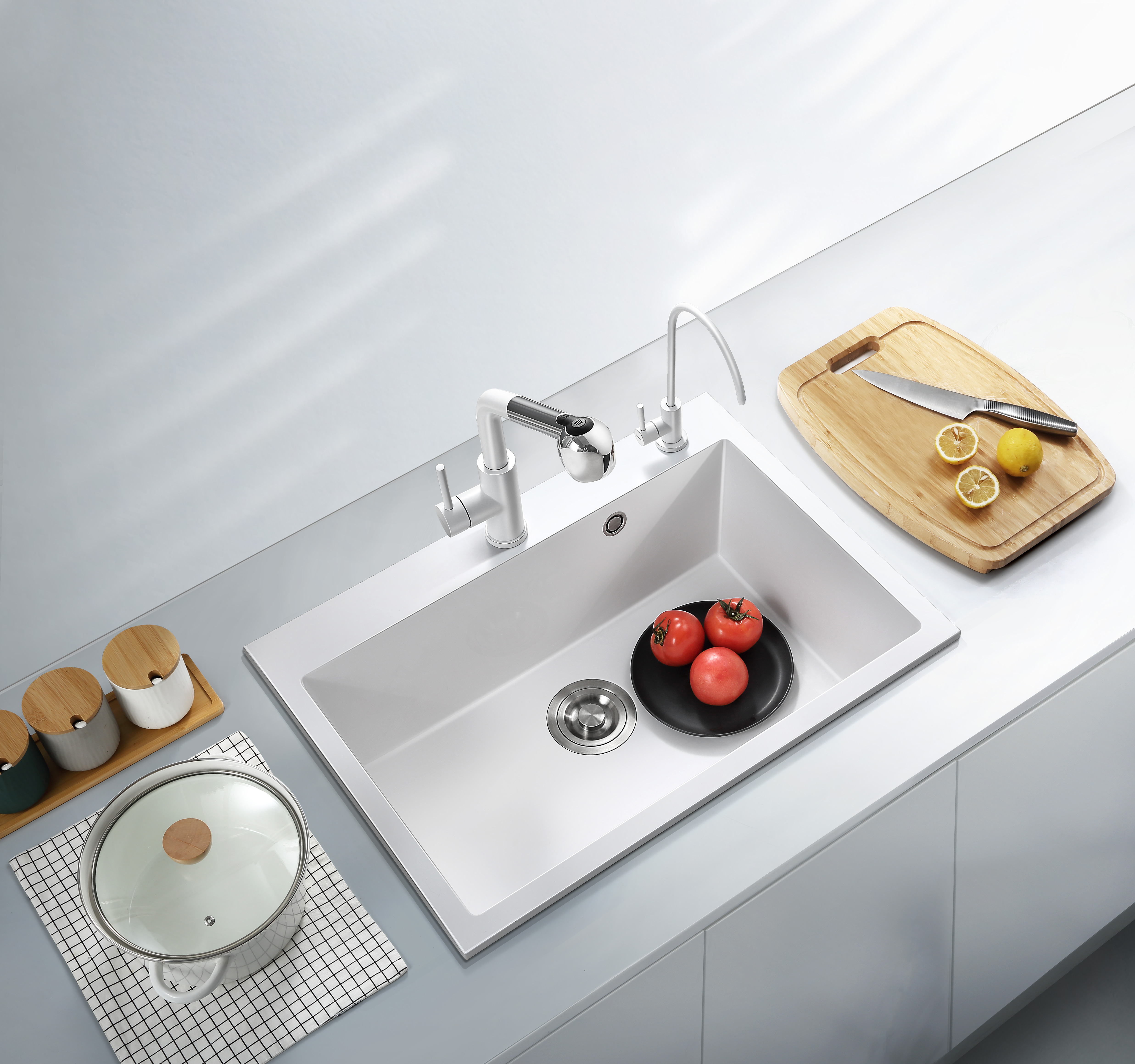
3. Stain Removal & Scale Maintenance: Repair Daily Dirt Marks
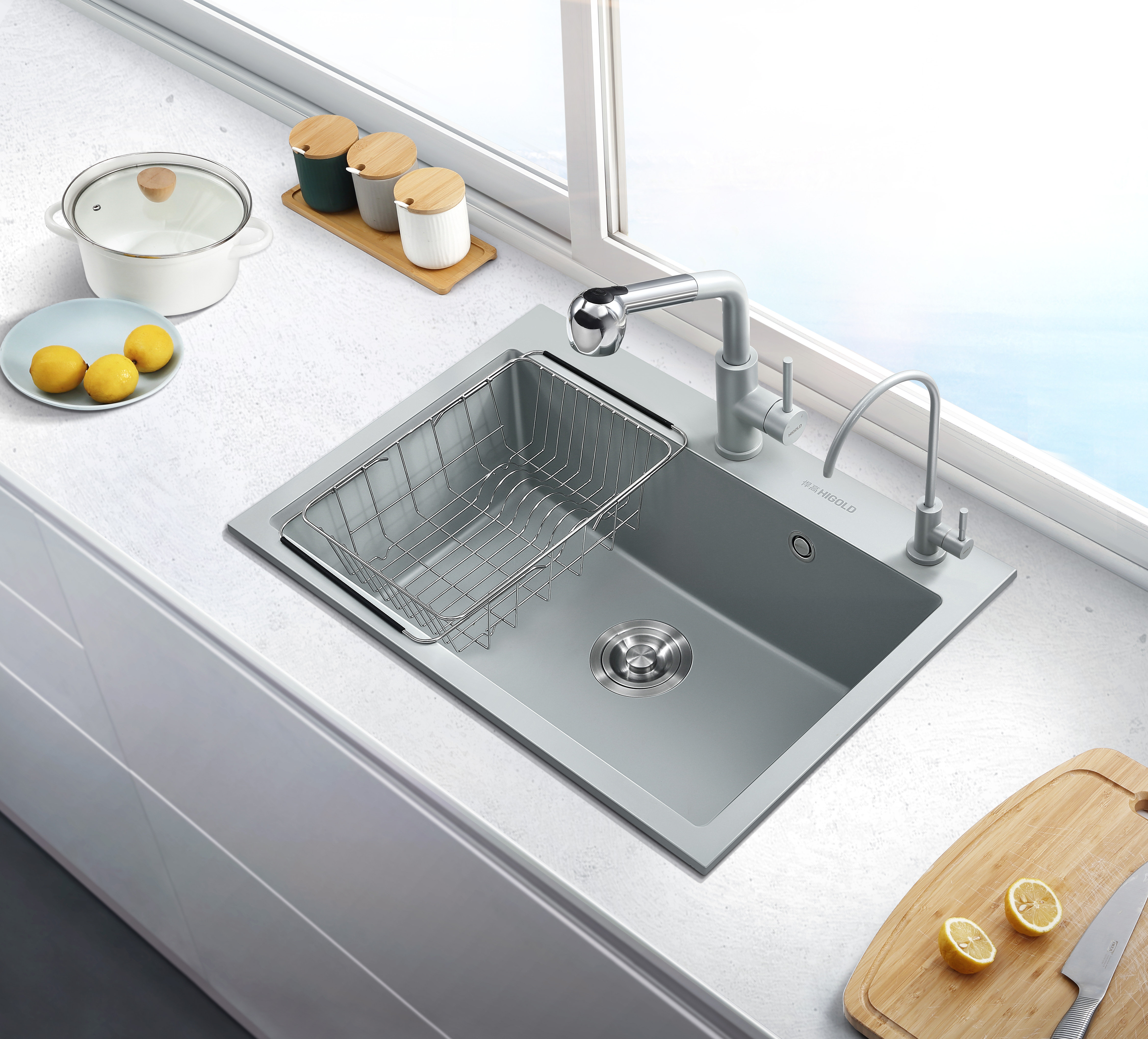
4. Long-term Protection & Usage Taboos
5. Conclusion
The quartz sink has become a mainstream kitchen fixture due to its durability and beauty. The widely used quartz composite sink combines natural stone and resin advantages, while the practical single sink meets the daily washing needs of most families. Simple daily cleaning, reasonable high-temperature protection, scientific stain removal and standardized taboo management can effectively maintain the performance of the quartz composite sink. With correct maintenance habits, users can keep their single sink bright and flawless for more than a decade. Reasonable care is the best way to maximize the usage value of everyquartz sink.

