

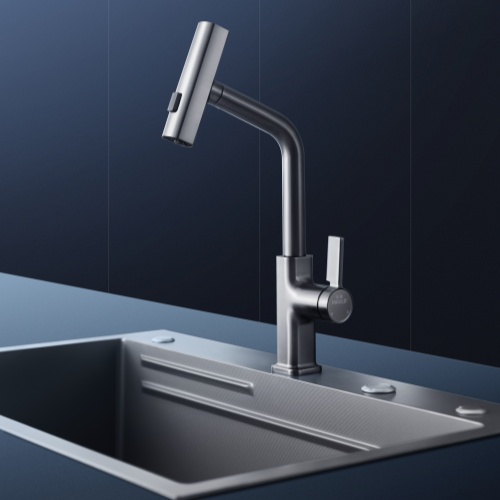
In recent years, anyone who has renovated a kitchen or browsed modern kitchen designs has noticed a clear trend: the kitchen water faucet is getting taller. What used to be a low, compact fixture that hovered just above the sink rim has evolved into a soaring arc that often reaches 15 to 20 inches in height. This transformation is not accidental. It reflects changing cooking habits, advances in manufacturing, and a growing appetite for luxury in everyday life. To understand this vertical surge, we must look closely at the roles played by stainless steel kitchen faucet manufacturers and the rising demand for luxury kitchen taps. These three elements—the product itself, the makers, and the high-end market—are pushing kitchen faucets higher than ever before.
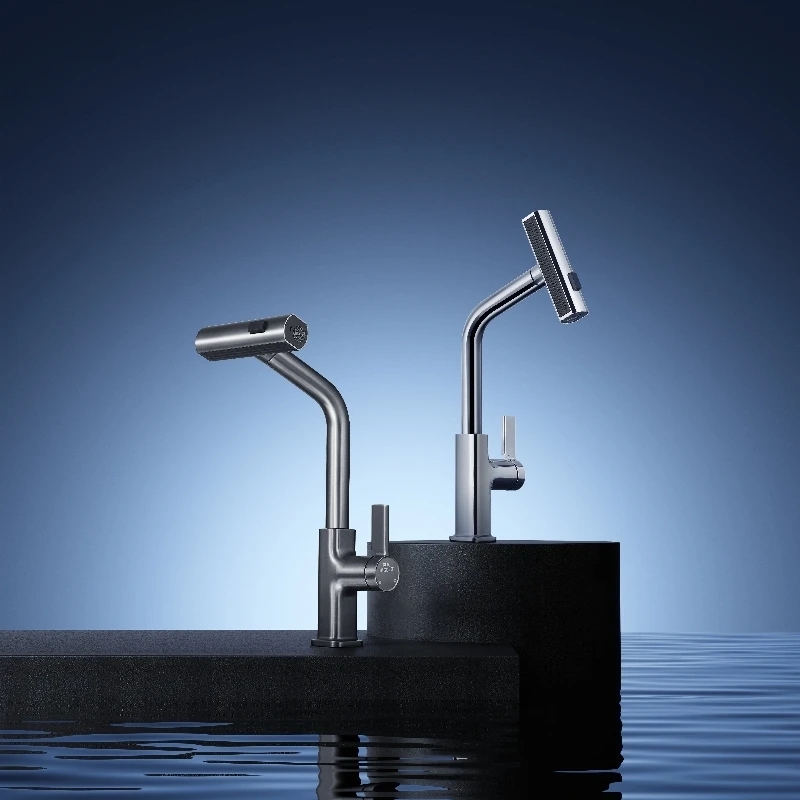
1. The Functional Necessity: Bigger Pots, Deeper Sinks
One of the most practical reasons for the taller kitchen water faucet is the changing scale of cookware. Modern home cooks use larger stockpots, Dutch ovens, and roasting pans than previous generations. A low faucet makes it impossible to fill or wash these oversized items. A taller faucet, especially one with a high-arc gooseneck design, provides the necessary clearance. Stainless steel kitchen faucet manufacturers realized this years ago and began designing models with 10 to 12 inches of vertical space from spout to sink bottom. Today, some luxury kitchen taps offer up to 18 inches of clearance. Furthermore, deep farmhouse sinks have become popular. These sinks are often 9 to 10 inches deep, requiring an equally tall faucet to reach the bottom without splashing water everywhere. Without a tall faucet, washing a large pot becomes an awkward, back-straining exercise in tilting cookware under a low spout.
2. The Pull-Down and Pull-Out Revolution
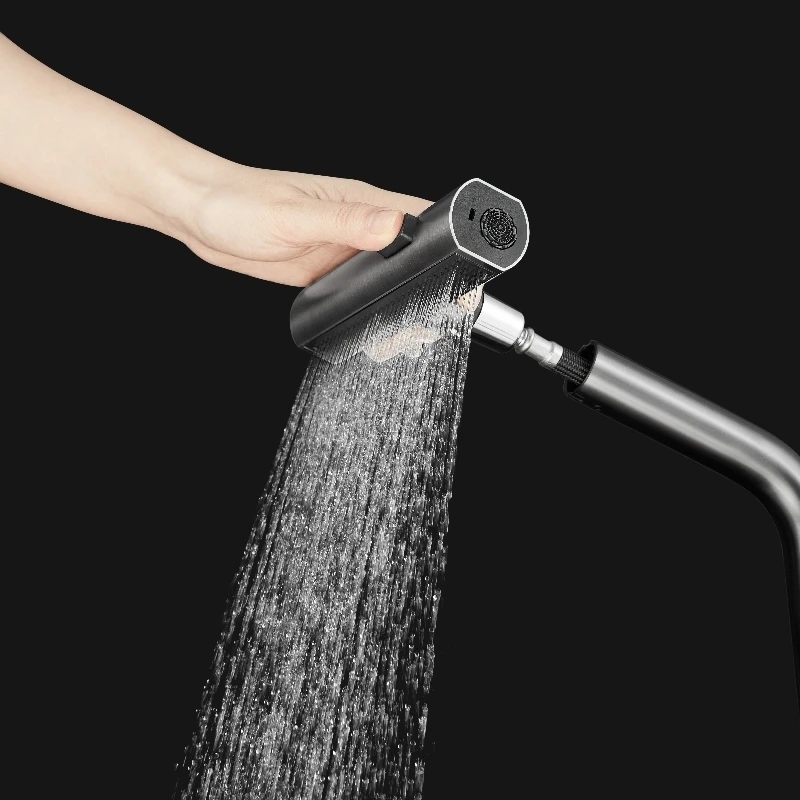
The modern kitchen water faucet is rarely a simple fixed spout anymore. Most tall faucets feature a pull-down or pull-out spray head hidden inside the high arc. This design requires extra height to accommodate the retracted hose and the weight of the spray head. Stainless steel kitchen faucet manufacturers discovered that a taller body allows for a longer, more flexible hose that can reach every corner of the sink. When you see a luxury kitchen tap with a 20-inch height, part of that height is purely functional—it houses a spring mechanism or a smooth nylon hose that extends up to 30 inches. Without this vertical space, the pull-down function would be severely limited. Additionally, the tall design allows the spray head to pivot and rotate freely, making it easier to switch between aerated stream and powerful spray. This convenience has become a standard
3. Ergonomics and Reducing Physical Strain
Standing at a kitchen sink for prolonged periods can cause back and neck pain, especially if the faucet is too low. A taller kitchen water faucet allows users to wash dishes, fill pots, and clean vegetables without bending forward excessively. This ergonomic benefit is a major selling point for stainless steel kitchen faucet manufacturers targeting aging populations and health-conscious homeowners. By raising the spout height, manufacturers reduce the need to hunch over the sink. Some luxury kitchen taps now offer adjustable height columns or even motorized lift mechanisms. While these features push the price upward, they address a real physical need. In commercial kitchens, where faucets are often 24 inches high or more, the principle has long been understood: height reduces fatigue. Now that principle is moving into residential kitchens, fueled by consumer demand for comfort and by manufacturers who see an opportunity to differentiate their products.
4. Aesthetic Appeal and the Luxury Market
The most visible driver of the height trend is aesthetics. A soaring kitchen water faucet creates a striking visual statement. It becomes a focal point, much like a pendant light or a statement backsplash. Stainless steel kitchen faucet manufacturers have responded by producing tall faucets with sleek, minimalist lines, often finished in brushed nickel, matte black, or polished stainless steel. Meanwhile, the market for luxury kitchen taps has exploded, with brands offering faucets that resemble elegant sculptures. These tall designs evoke professional kitchens and high-end restaurants, lending a sense of culinary seriousness to the home. The height itself signals abundance and daring design. A low-profile faucet might be practical, but it lacks the drama of a 20-inch arc. For homeowners investing in quartz countertops, custom cabinetry, and professional-grade ranges, a tall faucet is the crown jewel of the sink area. It says, “This kitchen is no afterthought.”
5. Manufacturing Advances: Why Stainless Steel Makes It Possible
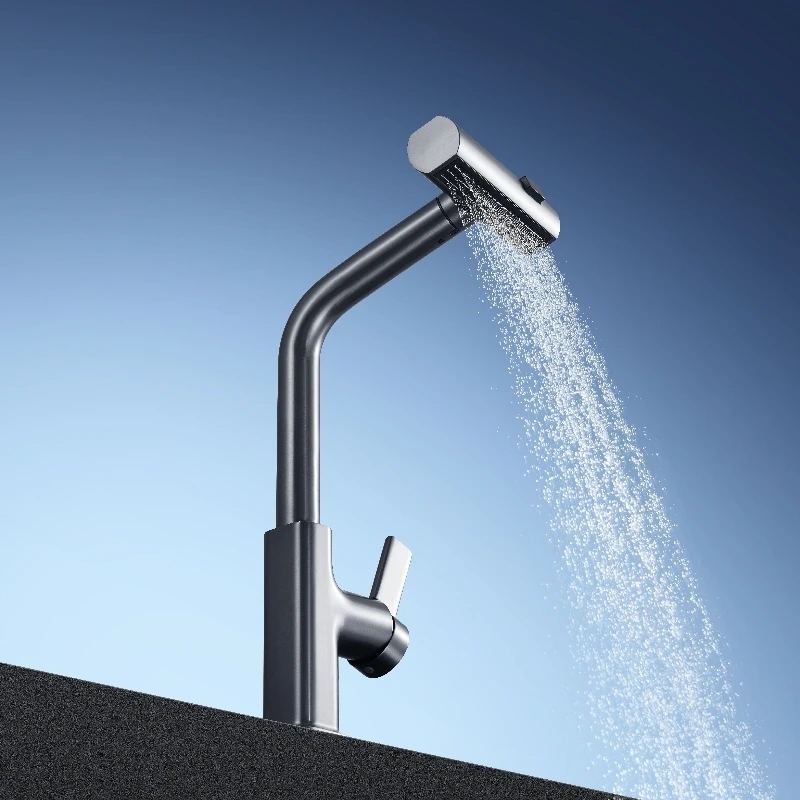
Not all metals can handle the structural demands of a very tall faucet. Cast brass, while common, is heavy; a tall brass faucet can put too much torque on the mounting deck. Stainless steel kitchen faucet manufacturers have a distinct advantage here. Stainless steel is both strong and relatively lightweight, allowing for thin yet rigid walls. It resists corrosion, doesn’t leach lead, and can be welded into complex shapes without cracking. This material properties enable the tall, swooping designs that would be impractical or too expensive in other metals. Furthermore, stainless steel is easy to clean and maintains a modern appearance. When luxury kitchen taps are made from 304 stainless steel, they can be brushed to a satin finish that hides fingerprints—a critical feature for a tall faucet that is constantly touched. Without stainless steel, the trend toward height would be severely limited by material constraints.
6. The Role of Manufacturers in Shaping Consumer Expectations
It would be a mistake to think that consumers alone drove the tall faucet trend. Stainless steel kitchen faucet manufacturers actively shaped demand through marketing, product placement, and feature innovation. A decade ago, most showrooms displayed low-profile faucets as the standard. Today, the eye-level shelves are dominated by tall models. Why? Because manufacturers realized that a taller kitchen water faucet has a higher perceived value. It looks more substantial, more modern, and more “professional.” By training consumers to equate height with quality, manufacturers have successfully moved the market upward. In the luxury kitchen taps segment, this effect is amplified. Brands release annual collections with even taller profiles, adding features like touch activation, digital temperature displays, and dual spray modes. Each new feature justifies a higher price and, often, a taller silhouette. The manufacturing sector has become a taste-maker, not just a supplier.
7. Compatibility with Larger Sink Basins and Workstations
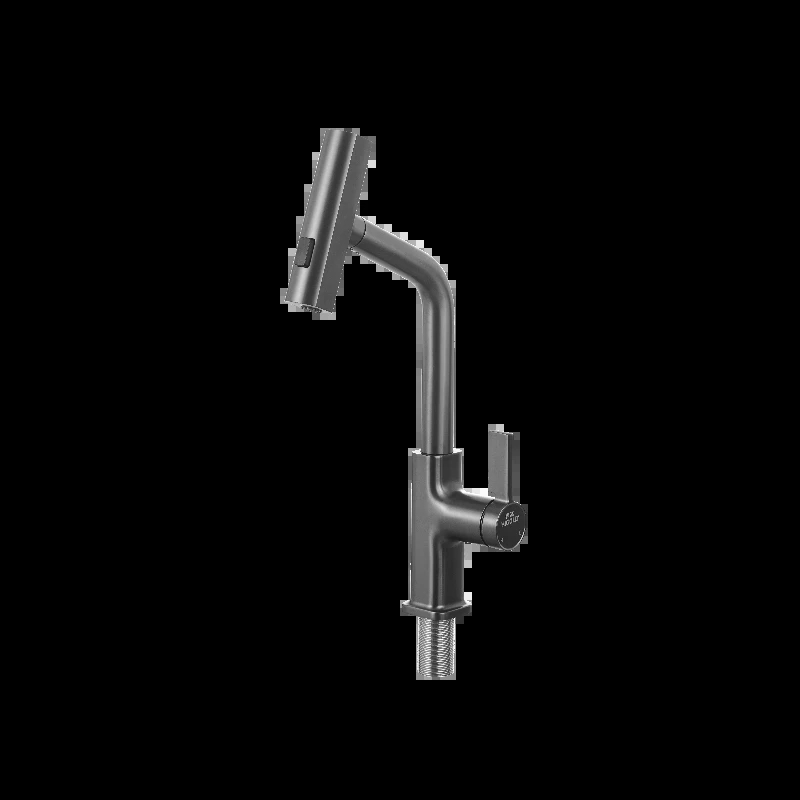
Modern kitchen sinks are no longer simple single-bowls with a drain in the center. Today, you see multi-functional workstations with integrated cutting boards, colanders, and drying racks. These accessories sit on ledges or rails that hover above the sink floor. A low kitchen water faucet would interfere with these accessories. Therefore, a taller faucet is necessary to clear the top of a colander placed in the sink or a cutting board straddling the basin. Stainless steel kitchen faucet manufacturers have collaborated with sink makers to ensure that their tall faucets provide enough vertical clearance for these accessories. Some luxury kitchen taps even come with dedicated side sprayers or pot fillers that further emphasize the need for height. When you add a soap dispenser, a filtered water faucet, and a hot water dispenser to the same deck, the tall main faucet helps maintain a sense of order and visual hierarchy.
8. The Influence of Professional and Commercial Kitchens
Home cooks watch cooking shows and browse social media, where professional kitchens feature enormous faucets with pull-down sprays and industrial springs. This exposure has created a desire for commercial-style equipment at home. Stainless steel kitchen faucet manufacturers have leveraged this by producing residential faucets that mimic commercial designs but in smaller, more affordable packages. The tall kitchen water faucet borrows directly from restaurant kitchen prep stations, where height is needed to fill large stockpots and to clean sheet pans. Even luxury kitchen taps now often include a pre-rinse spring design that stands over 24 inches tall. The message is clear: if you want a serious cooking environment, you need serious height. This aspirational connection to the professional world continues to push residential faucets higher.
9. The Self-Reinforcing Cycle of Height
Once the trend toward taller faucets began, it became self-reinforcing. As stainless steel kitchen faucet manufacturers released taller models, consumers began to view standard-height faucets as outdated or cheap. Showrooms and online retailers featured tall faucets prominently, creating a new normal. When shopping for a kitchen water faucet, buyers now often filter by height, rejecting anything under 15 inches. In the luxury kitchen taps market, 18 inches has become the baseline for premium models. Manufacturers compete to add inches, knowing that a taller faucet commands a higher price. This cycle shows no sign of stopping, though there are practical limits—a faucet that is too tall would cause excessive splashing and require uncomfortable arm extension. For now, the sweet spot seems to be between 16 and 22 inches, with high-end models pushing toward 24 inches for special applications.
10. Future Trends: Smart and Adjustable Height
Looking ahead, the next phase of the tall faucet trend may not be about fixed height but about adjustable height. Already, some stainless steel kitchen faucet manufacturers are experimenting with faucets that rise or lower with a touch or voice command. Imagine a kitchen water faucet that is 10 inches tall for everyday hand-washing and 22 inches tall for filling a lobster pot. These luxury kitchen taps could redefine the relationship between height and utility. Sensors could detect the size of the cookware and adjust the spout automatically. While such products are still rare and expensive, they point to a future where height is no longer a trade-off but a customizable feature. Until then, the standard tall faucet will continue to dominate, driven by the combined forces of function, ergonomics, aesthetics, and the relentless innovation of manufacturers.
Conclusion: The Tall Faucet Is Here to Stay
The kitchen water faucet has risen, literally and figuratively. What began as a practical response to larger cookware and deeper sinks has been amplified by ergonomic concerns, aesthetic preferences, and the strategic efforts of stainless steel kitchen faucet manufacturers. The luxury kitchen taps market has embraced height as a hallmark of quality and sophistication. While there may be upper limits to how tall a faucet can reasonably be, the current trajectory shows no reversal. Consumers have voted with their wallets for the convenience, comfort, and style of tall faucets. As manufacturing continues to innovate, we can expect even taller, smarter, and more adaptable faucets in the years ahead. The humble kitchen faucet has become a statement piece—and in that statement, height speaks louder than any other dimension.

