

Introduction: The Frozen Dinner Dilemma
Every evening, millions of home cooks confront the same sinking feeling. You pull a rock‑hard steak or a frozen chicken breast from the freezer, and your heart drops – not because you forgot to defrost, but because you know what awaits you: a dripping mess on the counter, a frantic search for a bowl that isn’t dirty, and a wasteful stream of running water that you have to monitor like a hawk. The culprit? Your outdated, basic kitchen sink. Yes, that simple porcelain or acrylic basin you’ve used for years is the weakest link in your food‑prep chain. But what if I told you that the solution is already within reach – and it comes in the form of a stainless steel kitchen sink paired with a smart kitchen sink? This isn’t about luxury; it’s about logic. In this article, I’ll show you why a regular kitchen sink fails at thawing, how a stainless steel kitchen sink outperforms it in every way, and why a smart kitchen sink takes the entire experience from frustrating to frictionless. Get ready to retire your old kitchen sink and embrace the thaw‑smart revolution.
Part 1: The Fundamental Flaw of a Basic Kitchen Sink
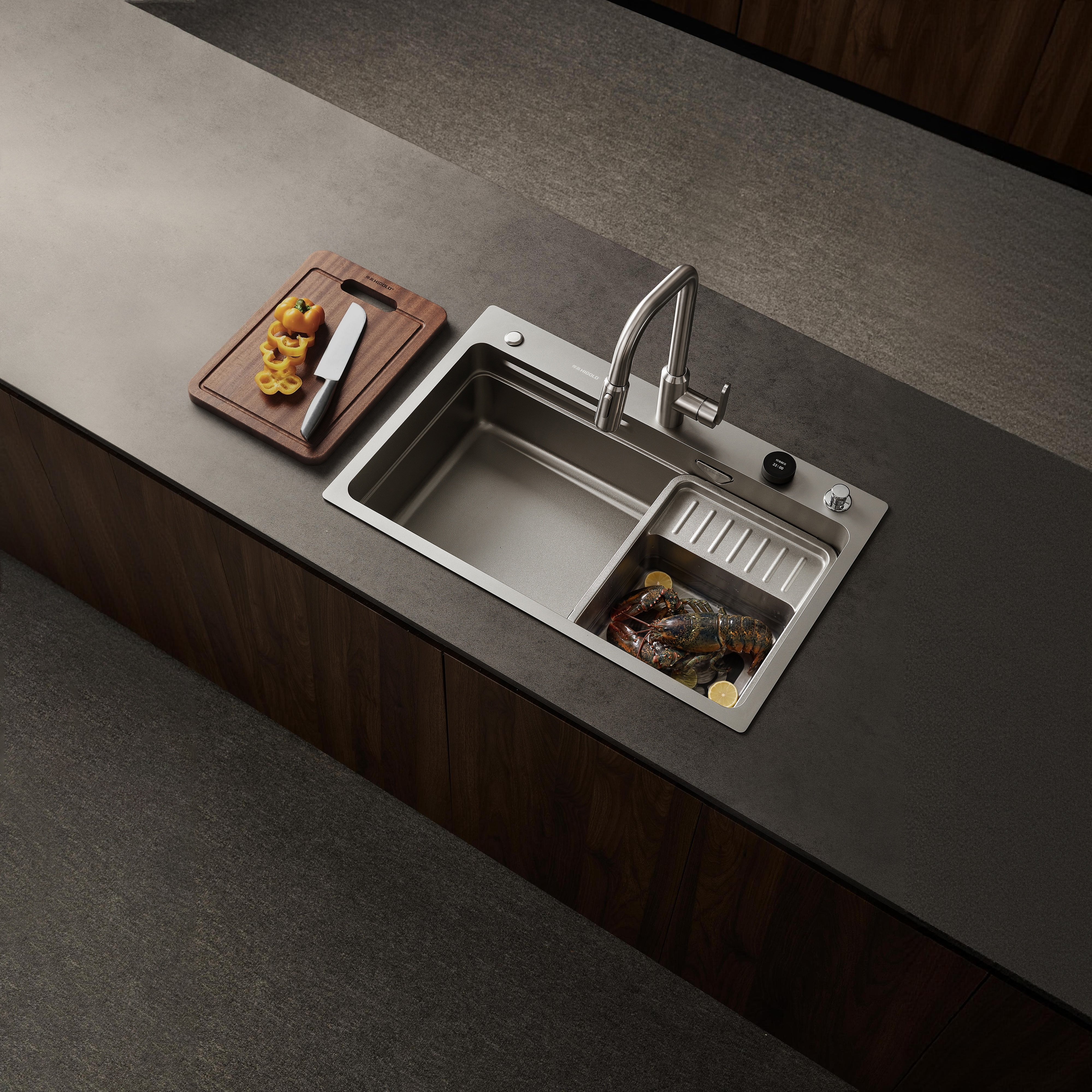
Let’s start with the ordinary kitchen sink – the one that came with your house or apartment. Most standard kitchen sink models are made of enameled cast iron, ceramic, or cheap stainless‑look composites. These materials have one thing in common: they are poor thermal conductors. When you fill a basic kitchen sink with cold water to thaw your meat, the water warms up quickly because the kitchen sink itself doesn’t help dissipate heat. Within 15 minutes, that safe 40°F cold water becomes lukewarm – and lukewarm water is a breeding ground for bacteria. Furthermore, a non‑stainless kitchen sink is often porous. Those tiny micro‑cracks harbor odors from previous thawing sessions. Your kitchen sink starts to smell like fish even after a thorough scrub. And let’s not forget the scratches: a frozen roast with jagged bones can leave permanent marks on a cheap kitchen sink, making it look old and unsanitary. But the biggest failure of a conventional kitchen sink is its lack of intelligence. You have to manually check the temperature, turn the faucet on and off, and guess when the thaw is complete. This clumsy kitchen sink forces you to waste gallons of water and precious attention. Clearly, the standard kitchen sink is not designed for modern defrosting needs. That’s why you need to upgrade – first to a stainless steel kitchen sink, and then to a smart kitchen sink.
Part 2: Why a Stainless Steel Kitchen Sink Is the Thawing Game‑Changer
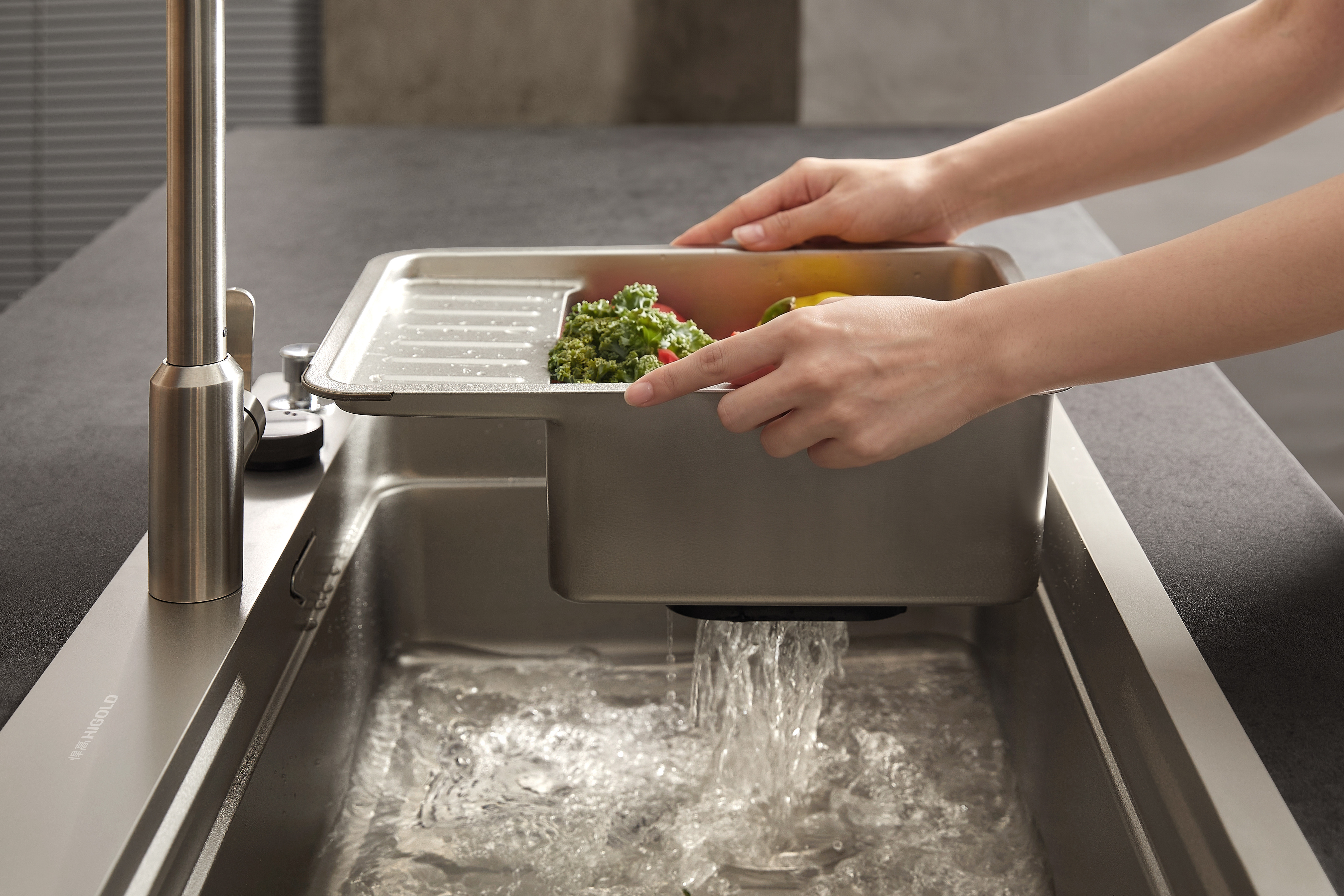
Now, let’s talk about the hero of this story: the stainless steel kitchen sink. A premium stainless steel kitchen sink is made from 18/10 or 16‑gauge stainless steel, which is an excellent conductor of heat. When you fill a stainless steel kitchen sink with cold water, the metal actively draws ambient warmth away from the water, keeping it colder for longer. This is critical because the USDA recommends thawing submerged in cold water, changing it every 30 minutes. A quality stainless steel kitchen sink helps maintain that safe 40°F zone naturally, reducing the risk of bacterial growth. Moreover, a stainless steel kitchen sink is non‑porous and highly scratch‑resistant. Those heavy frozen turkeys with sharp bones? They won’t leave a single scar on a brushed stainless steel kitchen sink. Unlike a regular kitchen sink, a stainless steel kitchen sink doesn’t absorb odors or stains – after thawing salmon or beef, a quick wipe with a mild cleaner leaves your stainless steel kitchen sink gleaming like new. The smooth, seamless surface of a stainless steel kitchen sink also makes it incredibly easy to sanitize, ensuring that cross‑contamination is a thing of the past. But wait – a stainless steel kitchen sink alone is still passive. It gives you a superior thermal platform, but it doesn’t think for you. That’s where the third element comes in – the smart kitchen sink – which transforms your stainless steel kitchen sink from a simple basin into a command center.
Part 3: The Smart Kitchen Sink – Intelligence Meets Stainless Steel
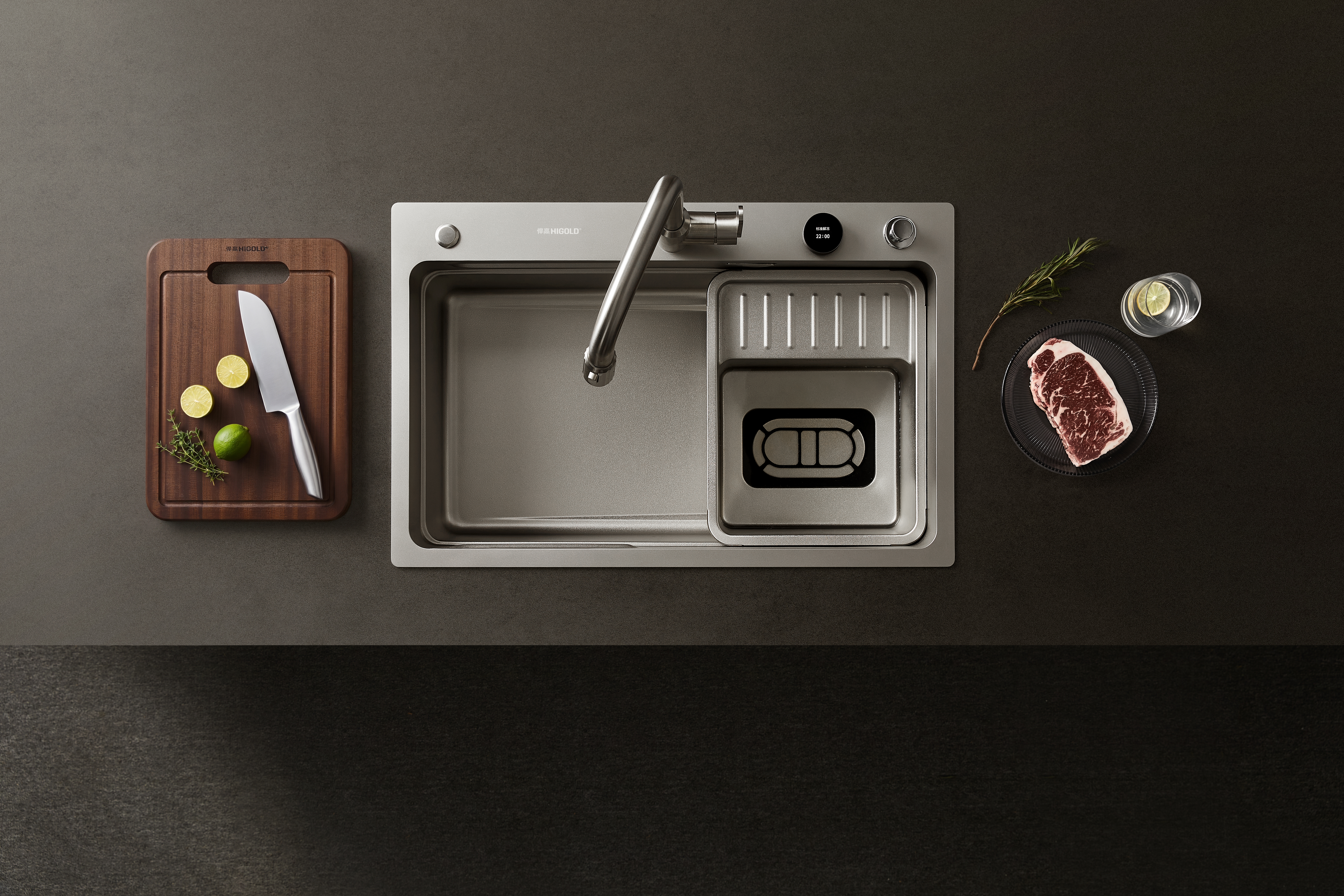
Imagine a kitchen sink that knows exactly when to start, stop, and adjust water flow. That’s the smart kitchen sink. A smart kitchen sink integrates sensors, microprocessors, and connectivity into your stainless steel kitchen sink or even a standalone unit. When you pair a smart kitchen sink with your stainless steel kitchen sink, you unlock a new level of thawing precision. The smart kitchen sink features an ultrasonic fill sensor that measures the exact water level in your stainless steel kitchen sink. It has a built‑in thermometer that continuously monitors the water temperature inside your stainless steel kitchen sink. If the temperature rises above 45°F, the smart kitchen sink automatically drains a portion of the warm water and refills with cold – without you lifting a finger. The smart kitchen sink also connects to your smartphone via Wi‑Fi or Bluetooth. You can select “Thaw – Poultry” on the smart kitchen sink’s touch panel, and the smart kitchen sink calculates the ideal cold‑water volume and circulation rate based on the weight you input. The smart kitchen sink sends you a notification when it’s time to flip the meat or when the thaw is complete. Some advanced smart kitchen sink models even have voice control – just say, “Hey Sink, start seafood thaw,” and your smart kitchen sink illuminates your stainless steel kitchen sink with LED lights to show the progress. This smart kitchen sink also tracks your water usage, helping you conserve up to 70% compared to leaving the tap running over a regular kitchen sink. In essence, the smart kitchen sink eliminates the guesswork, the wasted water, and the constant babysitting. It turns your stainless steel kitchen sink into an automated thawing assistant. But to truly appreciate this synergy, we need to compare all three side by side.
Part 4:Tangible Benefits – Why You Should Ditch Your Basic Kitchen Sink Today
Still not convinced? Let’s list the concrete advantages of upgrading to a stainless steel kitchen sink and smart kitchen sink over a standard kitchen sink.
Food Safety: A stainless steel kitchen sink helps maintain safe cold temperatures, and the smart kitchen sink alerts you if the water gets too warm – something a plain kitchen sink can never do.
Water Conservation: A smart kitchen sink uses intermittent flow and precise refills, saving an average of 5 gallons per thaw compared to a continuously running kitchen sink.
Time Savings: With a smart kitchen sink, you don’t need to hover. Set it and attend to other tasks. Your old kitchen sink demanded your full attention.
Durability and Hygiene: A stainless steel kitchen sink resists scratches, stains, and odors – unlike a cheap kitchen sink that degrades over time. Plus, the smart kitchen sink has a self‑diagnostic feature that reminds you to deep‑clean your stainless steel kitchen sink weekly.
Multi‑Tasking Capability: Some smart kitchen sink models allow you to thaw multiple items simultaneously. The smart kitchen sink tracks each item separately, while your stainless steel kitchen sink provides ample space. A basic kitchen sink would be a crowded, chaotic mess.
Resale Value: A home with a high‑end stainless steel kitchen sink and a smart kitchen sink is far more attractive to buyers than one with a tired, old kitchen sink. It's an investment that pays off.
Conclusion: The Thaw‑Smart Future Is Here – Embrace the Stainless Steel and Smart Kitchen Sink Combo
We have lived too long with the limitations of a standard kitchen sink – the poor temperature control, the wasted water, the constant monitoring, and the eventual wear and tear. The solution is not just a better material; it’s a smarter system. By upgrading to a stainless steel kitchen sink, you gain a durable, hygienic, and thermally superior basin. By integrating a smart kitchen sink, you add artificial intelligence that automates the entire thawing process. Together, the stainless steel kitchen sink and the smart kitchen sink form an unbeatable duo that outshines any conventional kitchen sink on the market. You save time, save water, improve food safety, and elevate your cooking experience. So ask yourself: does your current kitchen sink deserve to stay in your kitchen? Or is it time to retire that old kitchen sink and welcome the future – a future where your stainless steel kitchen sink works hand‑in‑hand with your smart kitchen sink to deliver perfect thawing every single time? The choice is clear. Invest in a stainless steel kitchen sink and a smart kitchen sink today, and say goodbye to the frustration of your outdated kitchen sink. Your evenings – and your taste buds – will thank you. The thaw‑smart revolution starts now, and it all begins with your sink.

