
Most people think of a kitchen sink as nothing more than a utilitarian basin. But if you look closer, the humble sink – whether a classic stainless steel washing up bowl, a simpler stainless washing up bowl, or a high‑tech nano coated sink – actually shapes how we cook, clean, and even think about waste. Today, let’s explore an under‑discussed topic: how the design and material of your sink can help you reduce food waste, save water, and turn dishwashing into a mindful ritual.
First, consider the traditional stainless steel washing up bowl. It has been a kitchen staple for decades. Its smooth, non‑porous surface resists bacteria and is easy to wipe. But few realise that a well‑designed stainless steel washing up bowl can encourage better waste separation. Imagine rinsing vegetable peels directly into a compost bucket placed next to the sink. Because a stainless steel washing up bowl is durable and heat‑resistant, you can also use it as a temporary container for leftover broth or coffee grounds before they go to compost. This small habit – enabled by the robustness of a stainless steel washing up bowl – reduces the need for plastic liners in your kitchen bin.
Now, look at the slightly more refined stainless washing up bowl. The term often refers to a similar product but with attention to gauge thickness and finish. A quality stainless washing up bowl has rounded corners, which make it far easier to scrape out every last bit of food debris. Less food stuck in corners means less organic matter going down the drain – and that’s great for your pipes and for wastewater treatment plants. Moreover, a stainless washing up bowl typically has a lower carbon footprint than composite or enamel sinks. By choosing a stainless washing up bowl over plastic‑based alternatives, you are quietly supporting a circular economy, as stainless steel is endlessly recyclable.
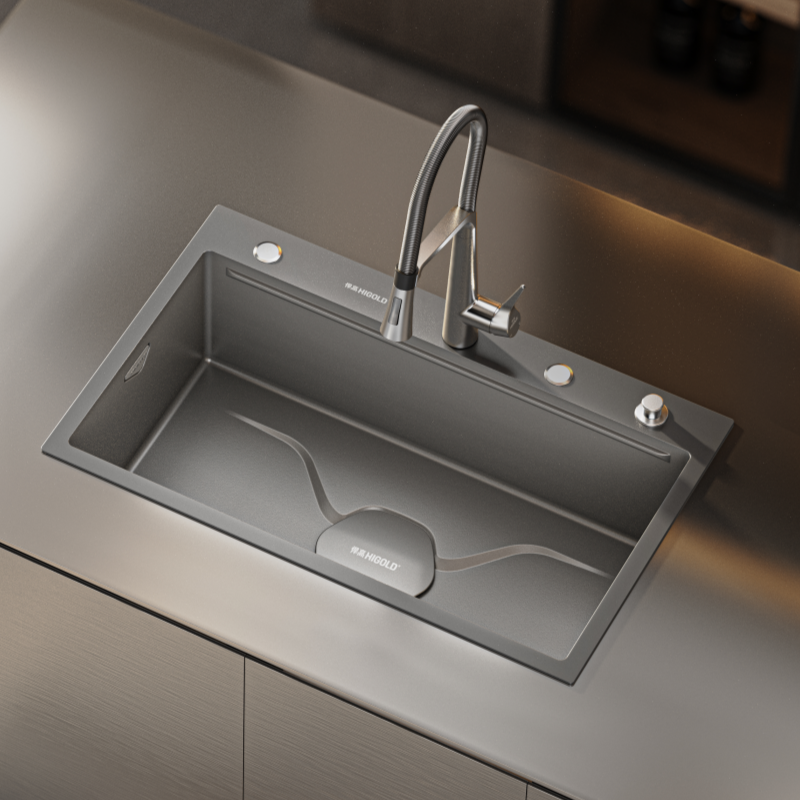
But the real game‑changer is the nano coated sink. This modern evolution takes the classic stainless steel washing up bowl and adds a microscopically thin layer of protection. What does a nano coated sink do differently? First, it repels water and oil – meaning food scraps slide off without sticking. If you have a nano coated sink, you can rinse a bowl of sticky oatmeal without scrubbing for minutes. Second, the nano coating makes the surface super‑hydrophilic (water spreads out, taking dirt with it). This property turns your nano coated sink into a self‑cleaning ally. When you wash vegetables over a nano coated sink, the running water effortlessly carries away tiny soil particles, leaving the basin spotless. Less scrubbing means less detergent entering the water system – a small but meaningful eco‑win.
Now let’s dive into a truly niche angle: the sink as a tool for reducing single‑use plastic. Many people use disposable paper towels or plastic scouring pads to clean their sinks. But if you own a stainless steel washing up bowl or a nano coated sink, you can switch to reusable cloths and natural bristle brushes. Because a stainless washing up bowl has no porous glaze (unlike ceramic), it won’t harbour mould or bacteria even with a damp cloth left overnight. A nano coated sink takes this further: its anti‑adhesion property means a simple wipe with a cotton rag removes 99% of residues. You no longer need harsh chemical sprays. Over a year, this shift saves dozens of plastic bottles and rolls of paper towels – all thanks to the sink beneath your tap.
Another surprising, small‑topic angle is noise reduction and mindfulness. The sound of water splashing against a stainless steel washing up bowl can be either irritating or meditative, depending on the thickness and coating. A cheap, thin stainless washing up bowl rings like a bell, which many people find stressful. But a premium nano coated sink often comes with sound‑deadening pads. The soft, heavy “thud” of water on a nano coated sink creates a calming auditory experience. You can turn dishwashing into a five‑minute mindfulness break – focusing on the cool water, the smooth glide of your sponge over the stainless steel washing up bowl surface, and the satisfying clarity of a clean basin. In a fast‑paced world, that quiet moment at your stainless washing up bowl might be one of the few pauses in your day.
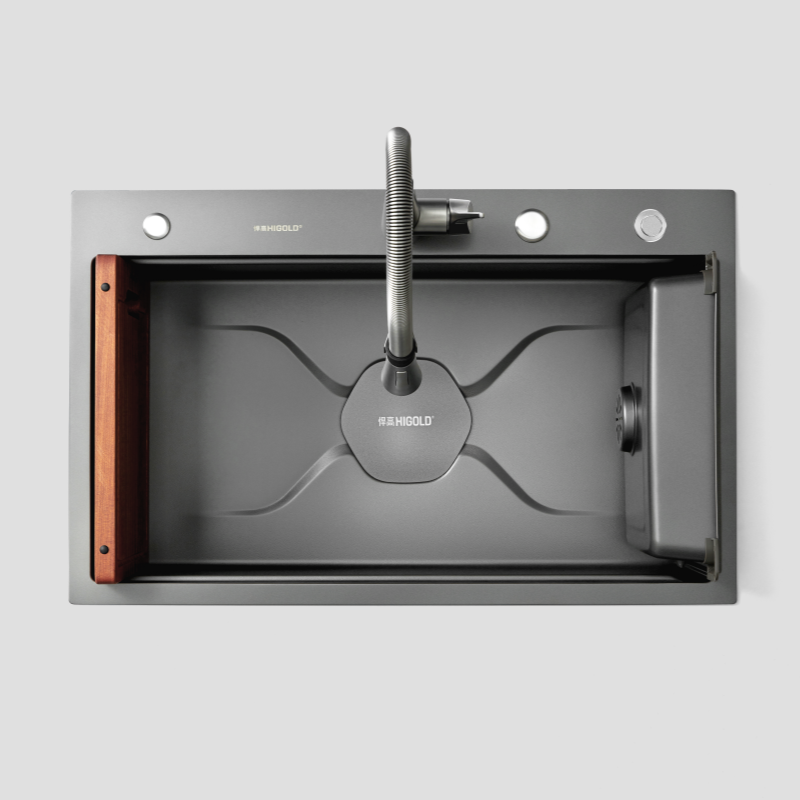
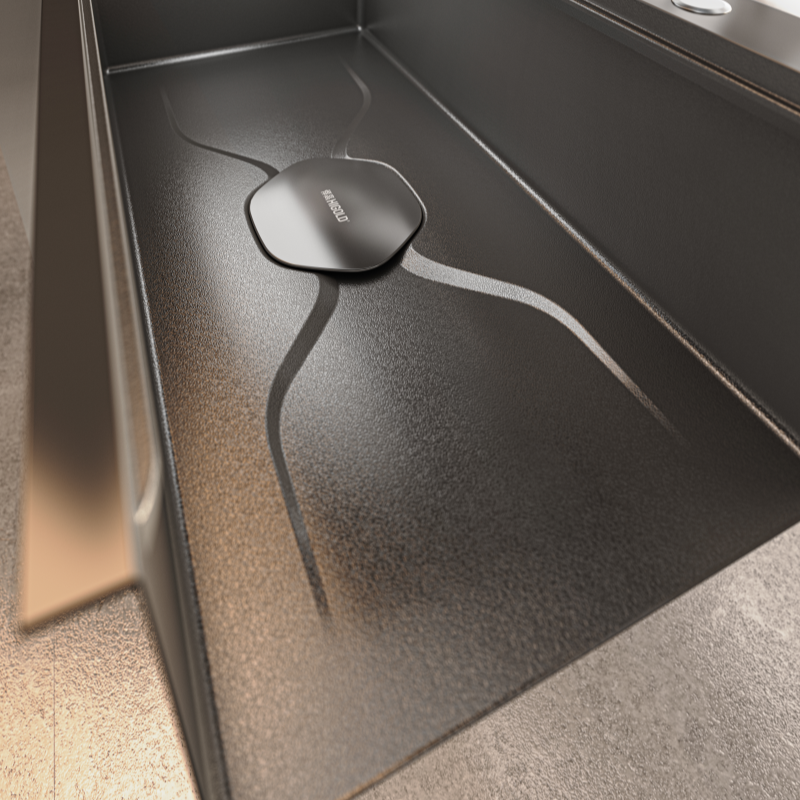
Let’s talk about water conservation, another “mainstream but overlooked” benefit. Many modern nano coated sink designs have slightly sloped bottoms and micro‑textured channels that guide water toward the drain. Even without changing your faucet, a nano coated sink reduces the need to run water at full blast because dirt doesn’t stick. Meanwhile, a deep stainless steel washing up bowl allows you to fill the basin halfway – not the whole sink – to wash all your dishes in one batch. Compared to constantly running the tap, using a stainless washing up bowl as a wash basin can cut water usage by up to 70%. If every household adopted this simple habit with their existing stainless steel washing up bowl, we would save billions of litres annually.
From a design perspective, the nano coated sink also solves a long‑standing issue: staining. Traditional stainless steel washing up bowl can show water spots and scratches over time. A nano coated sink resists both, keeping that new look for years. This durability encourages people to keep their sink longer – reducing manufacturing waste. And when the sink finally reaches end‑of‑life, the base stainless steel washing up bowl underneath the coating is still 100% recyclable. So even a worn‑out nano coated sink is better for the planet than a broken ceramic or granite composite sink.
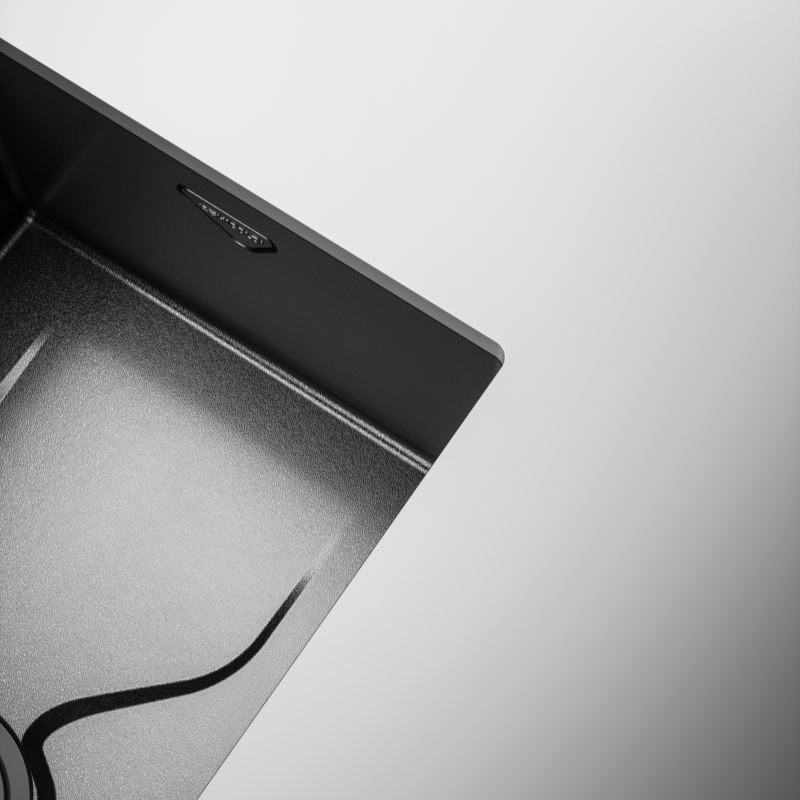
Finally, let’s consider food preparation safety. A stainless steel washing up bowl is non‑reactive, so you can marinate tomatoes or lemons directly in it without metallic taste. A nano coated sink goes further: its anti‑microbial properties (many nano coatings contain silver ions) actively reduce bacteria growth. When you rinse raw chicken or fish, a nano coated sink is less likely to retain salmonella or campylobacter on its surface compared to a scratched plastic basin. Paired with a stainless washing up bowl that has integrated colanders or cutting board bridges, you create a safer, more efficient food prep zone.
In conclusion, the humble water basin is far from boring. Whether you choose a reliable stainless steel washing up bowl, a well‑built stainless washing up bowl, or an advanced nano coated sink, you are making a decision that affects your water bill, your kitchen habits, your mental peace, and the planet. Next time you stand at the sink, look down – and appreciate the quiet revolution happening right under your hands.

