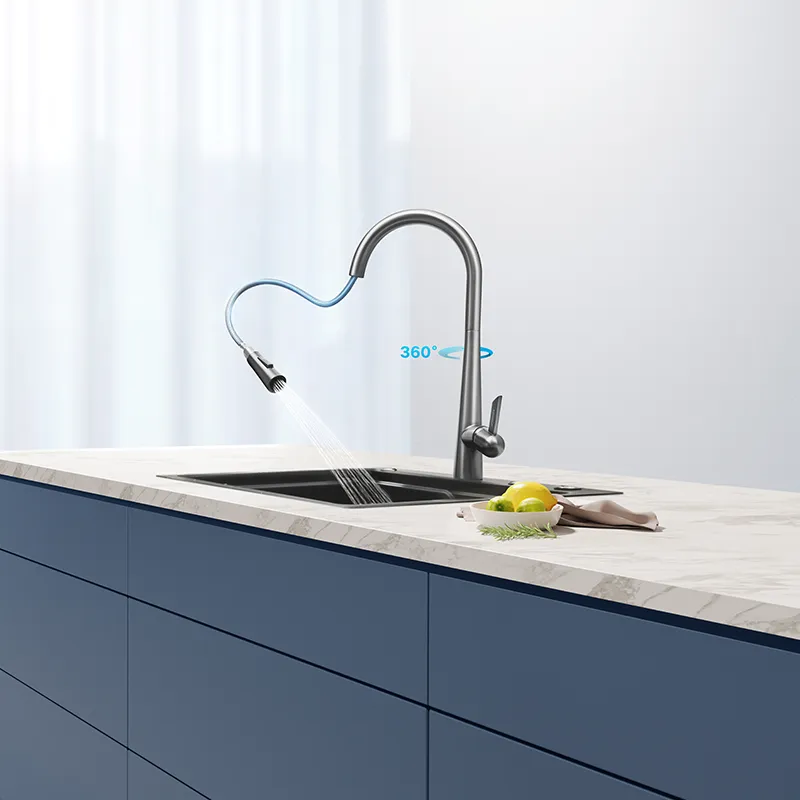

The answer is clear: a basin faucet is the best choice. Basin faucets offer an optimized bathroom sink experience through temperature control, water outlet design, splash protection, and material selection.
A bathroom basin faucet is a faucet installed on the bathroom wash basin. Its primary function is to provide hot and cold water for daily handwashing, facewashing, cleansing, and some household washing activities. Compared to kitchen faucets, bathroom basin faucet designs prioritize ergonomics, aesthetics, and hygiene.
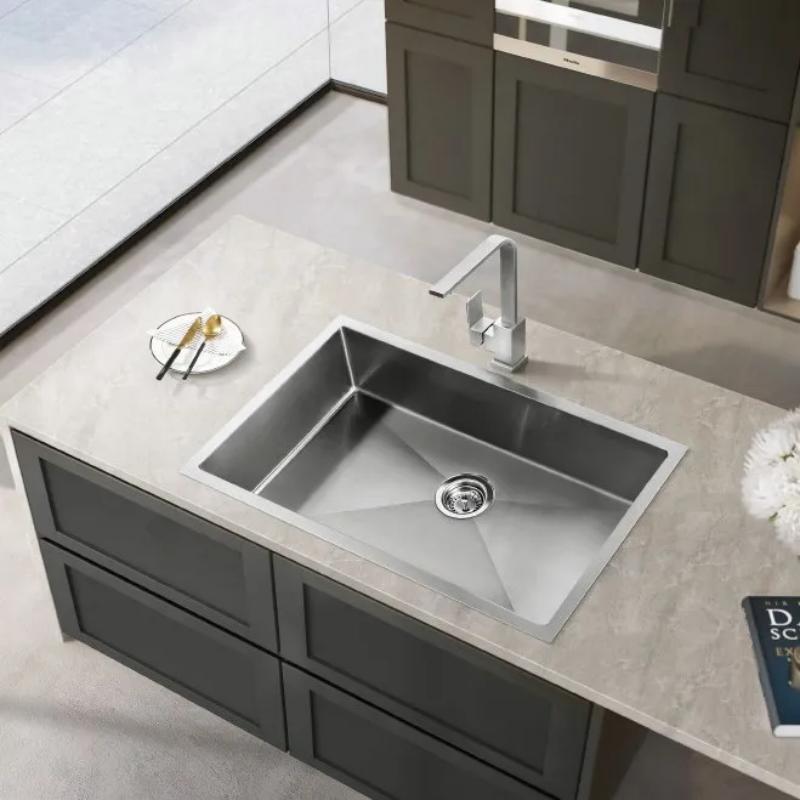
Not all sink materials are suitable for flush-mount installation. While sink materials like stainless steel, quartz, and composite materials generally meet flush-mount installation requirements, more fragile materials like ceramic and copper sinks require extra care during installation to ensure they are not damaged by external forces.
From an industry and professional perspective, the standard name for this type of product is a double-handle mixing basin faucet, or simply a double-handle hot and cold basin faucet. This is the most accurate and professional answer for consumers.
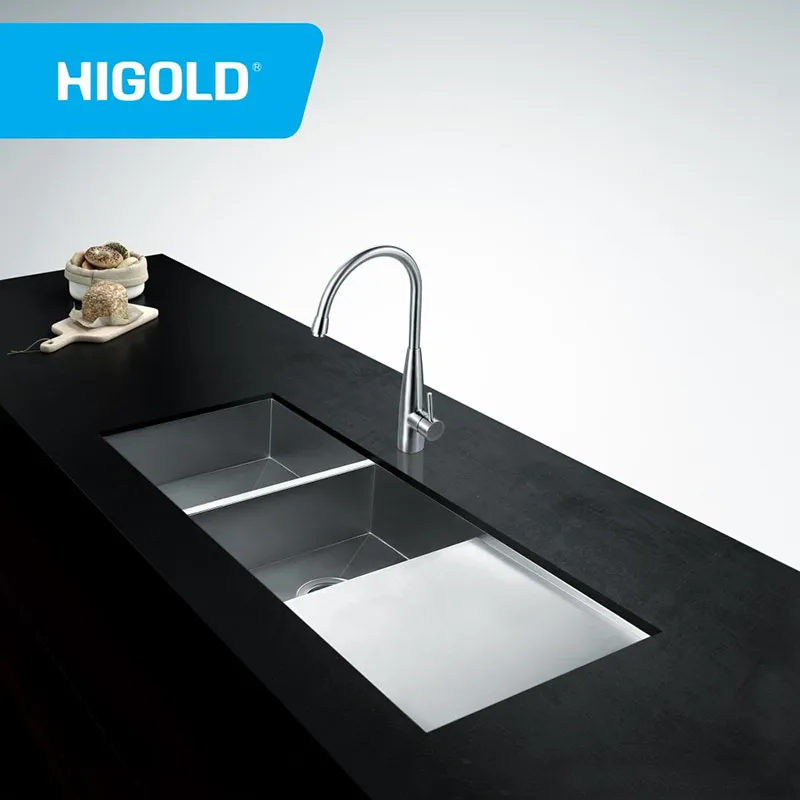
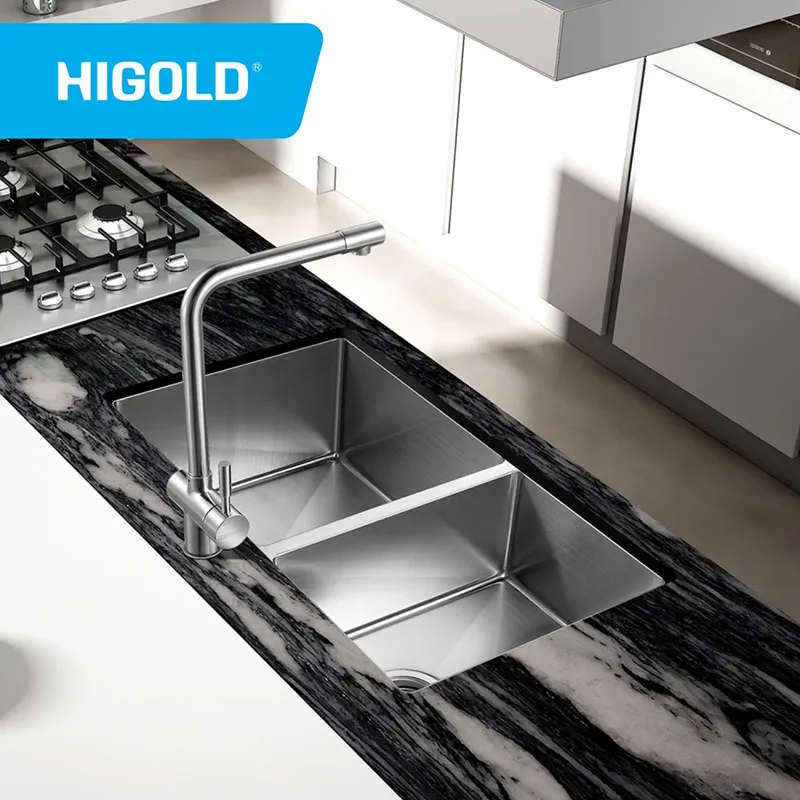
The installation process for undermount sinks is one of the main reasons for their higher price. Because the rim must be completely recessed into the countertop and seamlessly connected, the installation requires extremely precise alignment between the countertop and sink.
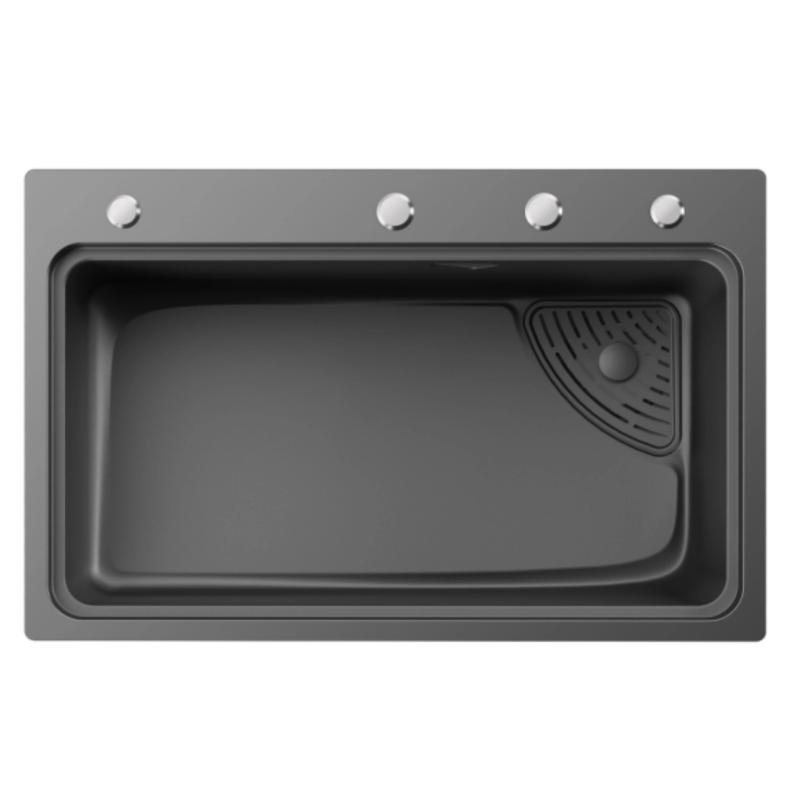
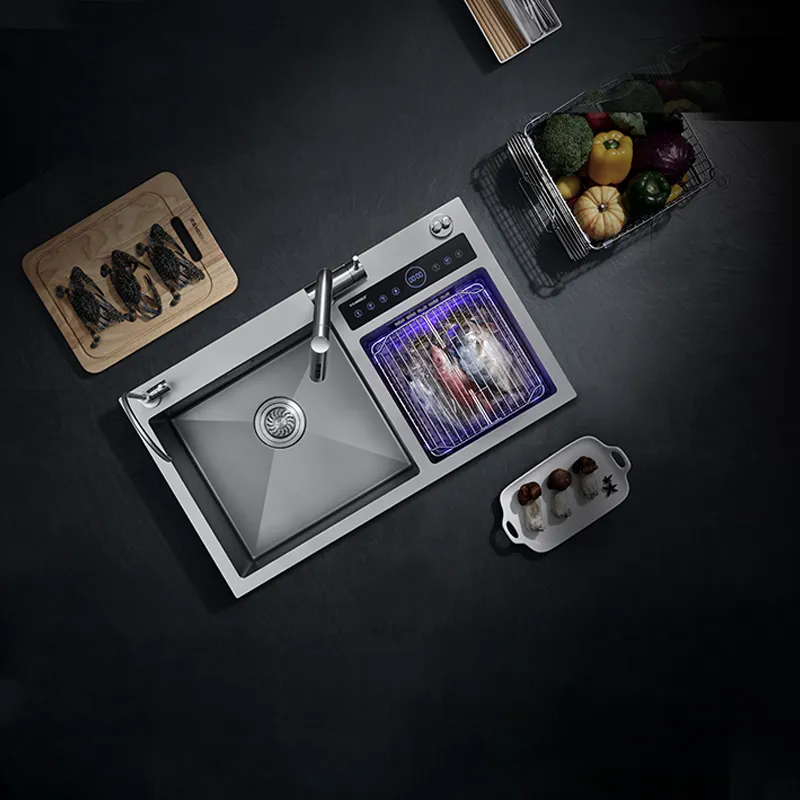
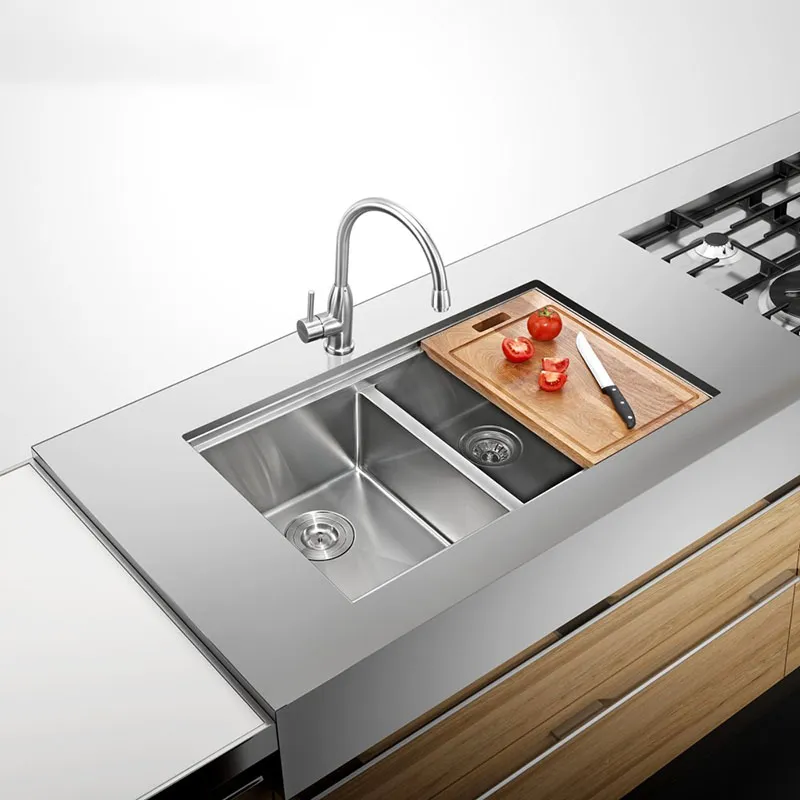
For small households that cook frequently and value efficiency and cleanliness, a multifunctional kitchen sink can significantly enhance the kitchen experience and is a very practical choice.
For households that cook infrequently, have a limited budget, or prefer traditional kitchen sinks, a standard sink will suffice.
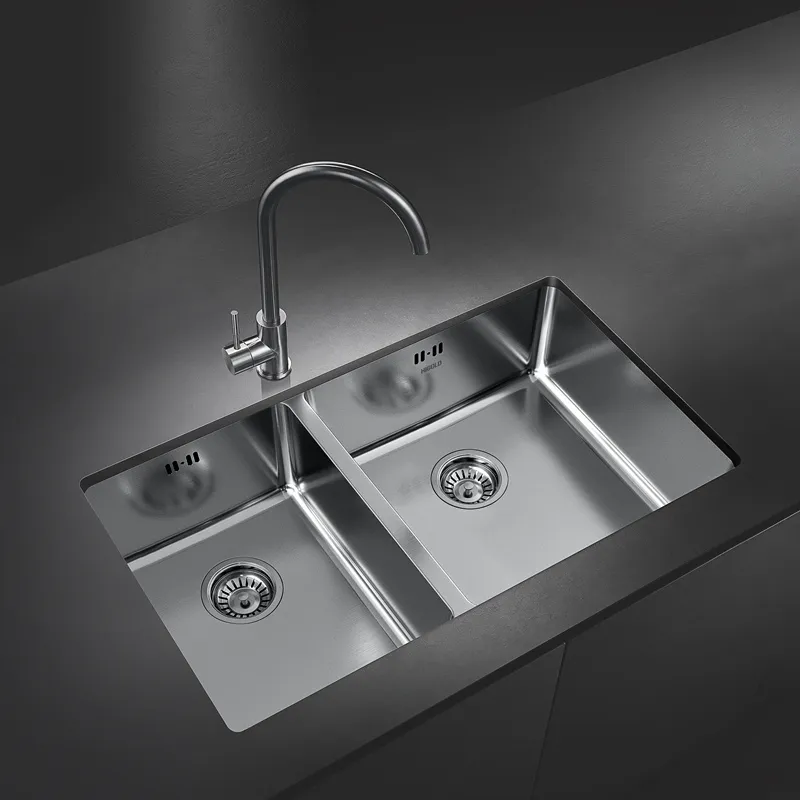
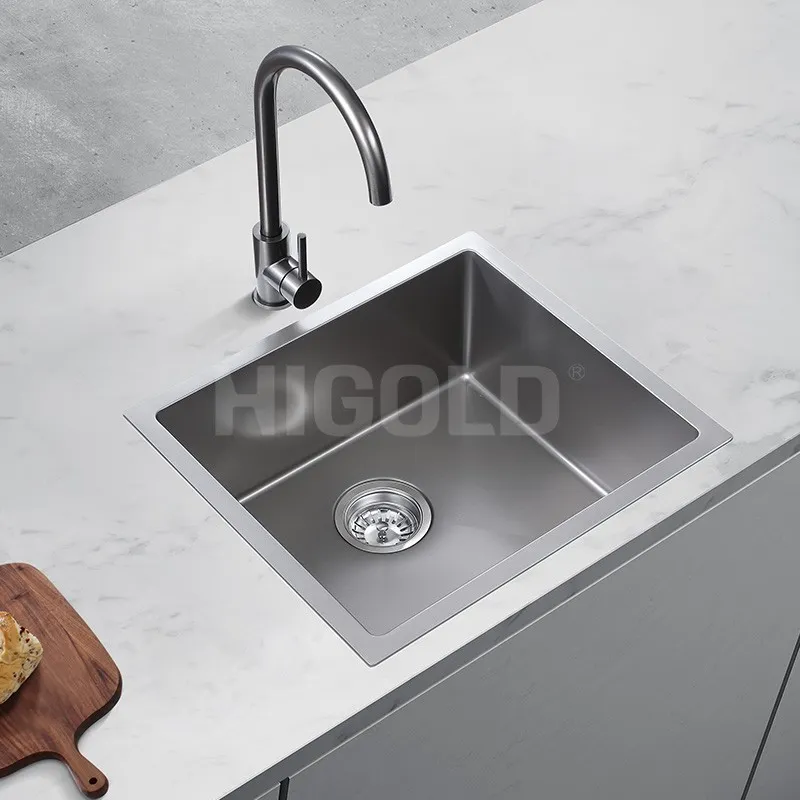
Stainless steel sinks are one of the most common undermount sink materials. They are widely used in both home and commercial kitchens due to their corrosion, heat, and impact resistance. Stainless steel undermount kitchen sinks are particularly resistant to cracking.
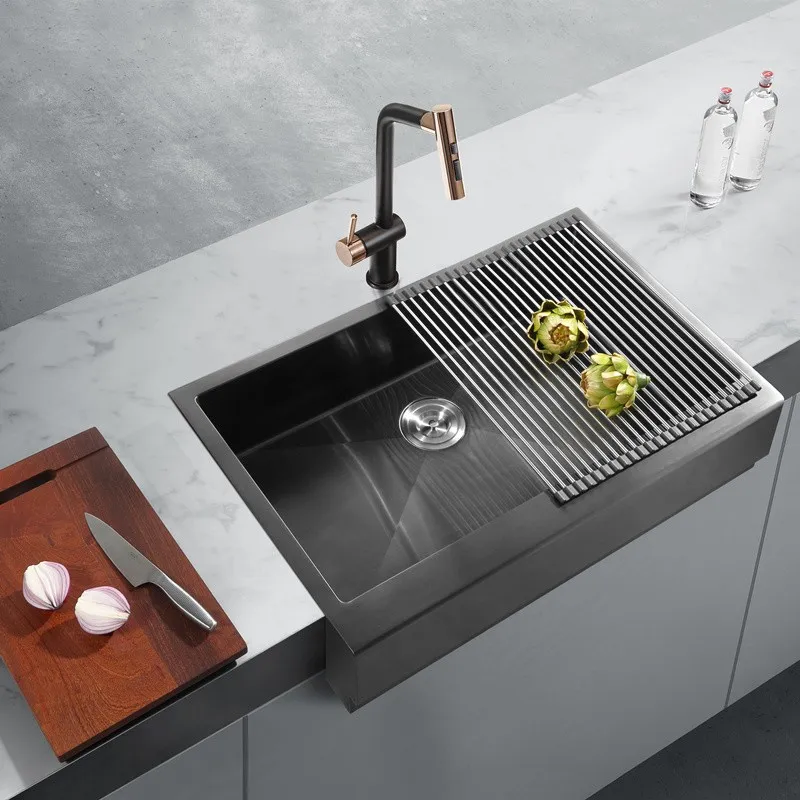
A handmade kitchen sink is a sink crafted through manual labor. These sinks are typically meticulously polished, carved, welded, and polished by highly skilled artisans, resulting in each handmade sink possessing unique appearance and structural characteristics.
Advantages of a double bowl corner sink:
1. Space-saving
2. Improved work efficiency
3. Optimized overall kitchen layout
4. Modern and stylish
Disadvantages of double bowl corner sinks:
1. High installation requirements
2. Relatively small sink operating space
3. Difficult to match certain kitchen styles
4. Difficult to maintain
Detailed flushmount sink installation steps:
1. Measure and mark the installation location
2. Drill and cut the countertop
3. Install the sink brackets
4. Seal the gap between the sink and countertop
5. Install the plumbing fixtures
6. Check the sink's stability and seal