
2026-06-29
Learn MoreNews

- Compared to single-bowl sinks, double-bowl sinks require two drain outlets to converge on the same drainpipe. If the connection is poorly designed, such as a T-joint with an excessively small angle, it can easily cause water flow to clash and pressure imbalance, leading to poor drainage.2025-11-14Learn More
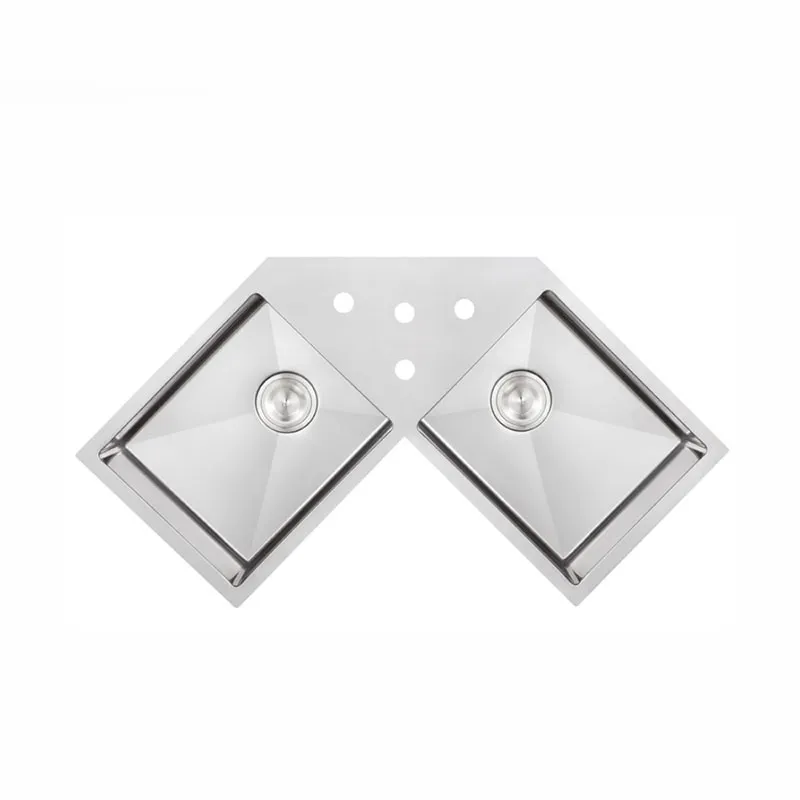
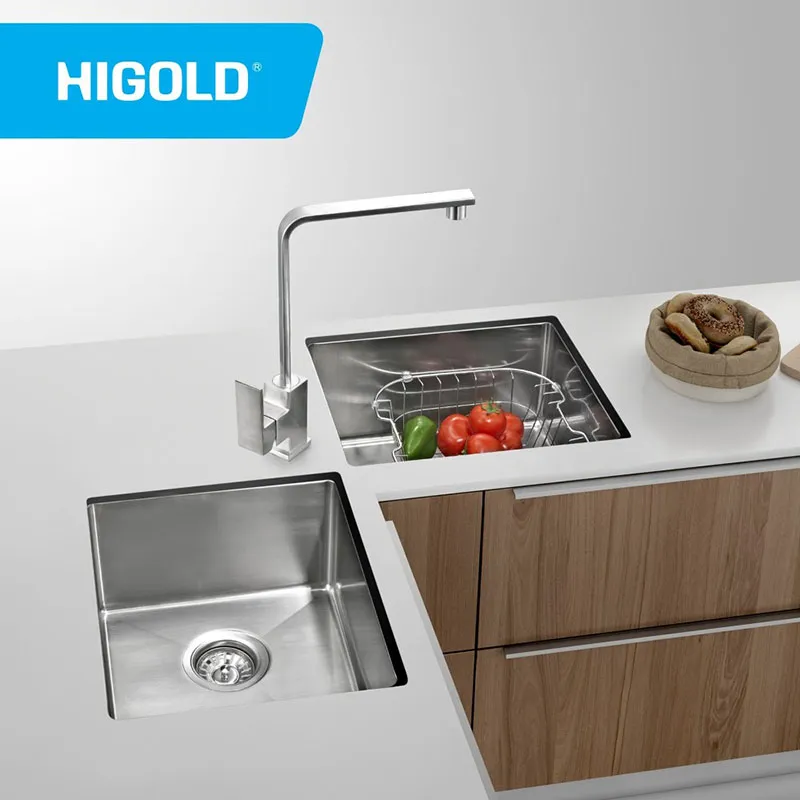
- Advantages of a double bowl corner sink: 1. Space-saving 2. Improved work efficiency 3. Optimized overall kitchen layout 4. Modern and stylish Disadvantages of double bowl corner sinks: 1. High installation requirements 2. Relatively small sink operating space 3. Difficult to match certain kitchen styles 4. Difficult to maintain2025-09-24Learn More
- According to industry standards and kitchen design experience, the minimum spacing between sinks should be 5 inches (approximately 12.7 cm). This ensures that when two sinks are used simultaneously, the sinks do not come into direct contact with each other, and that sufficient space is provided to meet basic kitchen needs.2025-09-04Learn More
- To ensure a smooth installation of a double-bowl sink, the countertop width must be wide enough to accommodate the sink. When installing a double-bowl sink, the countertop width should be at least 10 cm wider than the sink to ensure a secure placement while leaving ample space for operation.2025-09-01Learn More
- Common sizes include the following: 1. 600mm (24-inch) double bowl sink 2. 750mm (30-inch) double bowl sink 3. 800mm (32-inch) double bowl sink 4. 900mm (36-inch) double bowl sink 5. 1000mm (40-inch) double bowl sink2025-08-28Learn More
- Using a Sink Cabinet Sink cabinets are one of the most common ways to conceal pipes, especially in double bowl corner sink designs. Sink cabinets are typically made of wood or metal, offering strong load-bearing capacity and decorative appeal.2025-08-25Learn More
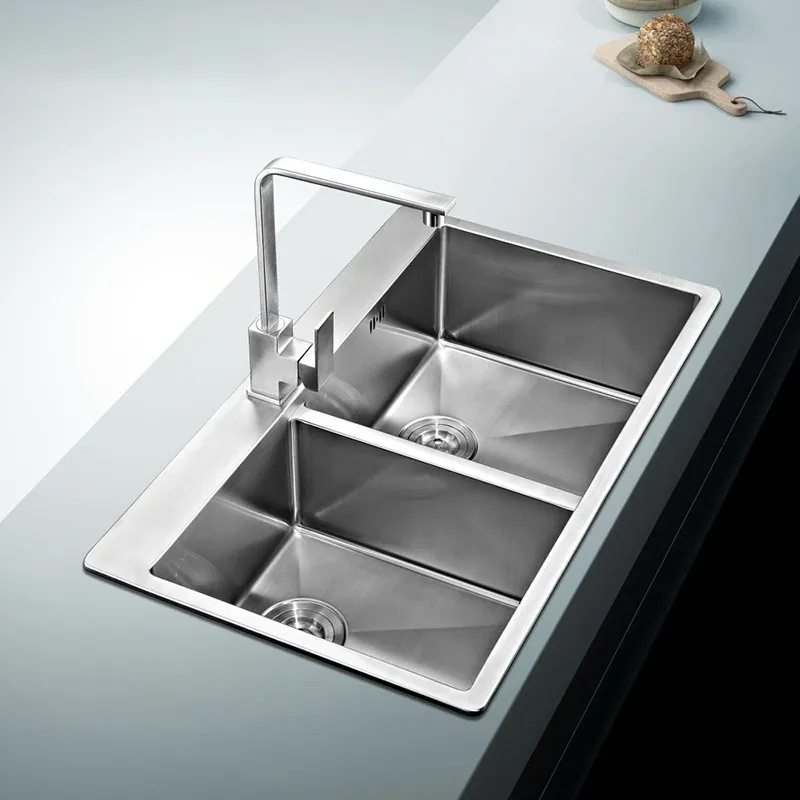
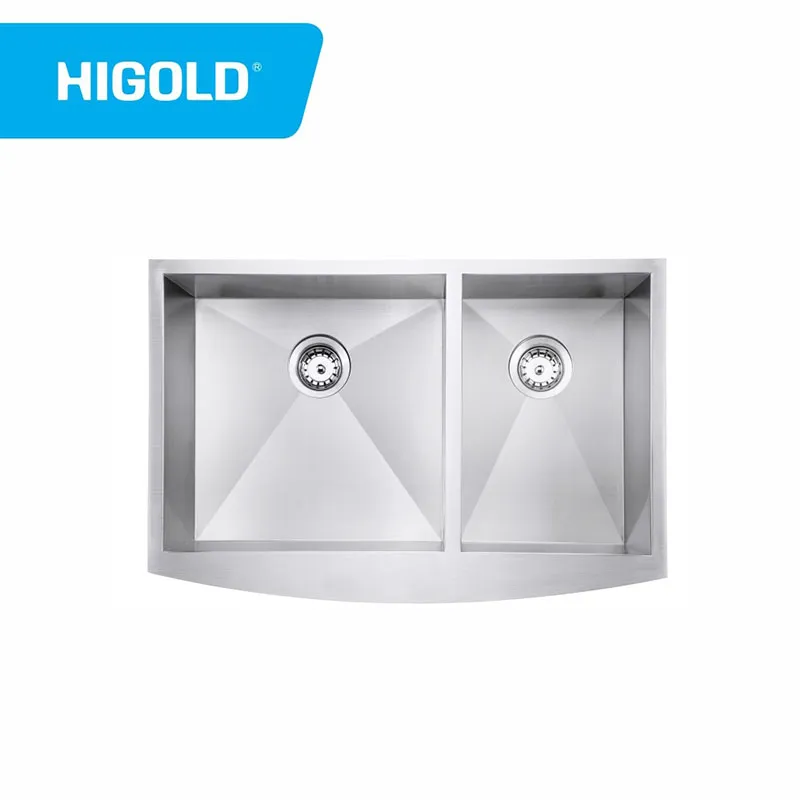
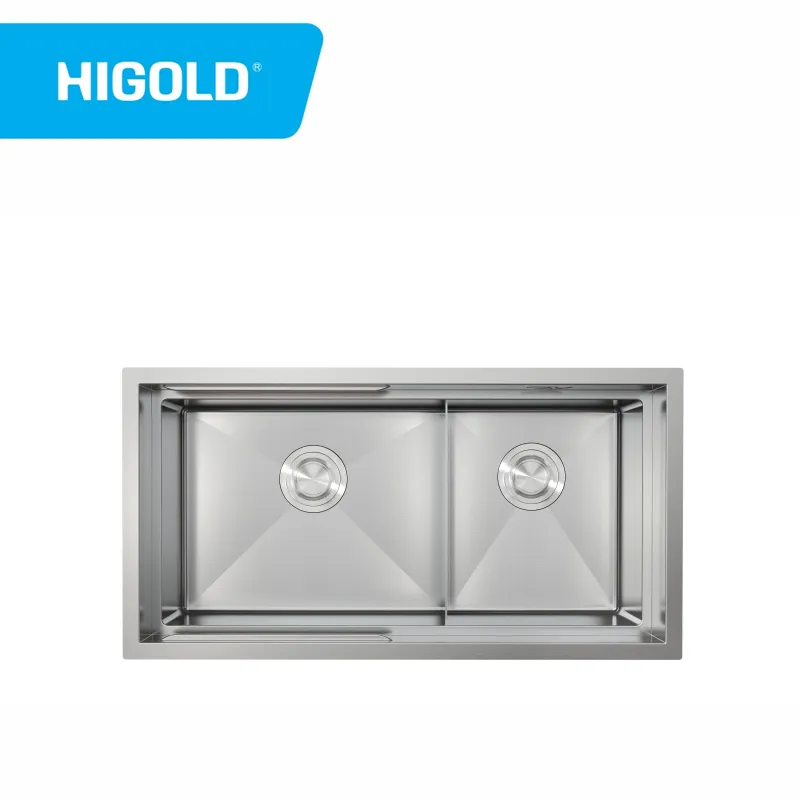
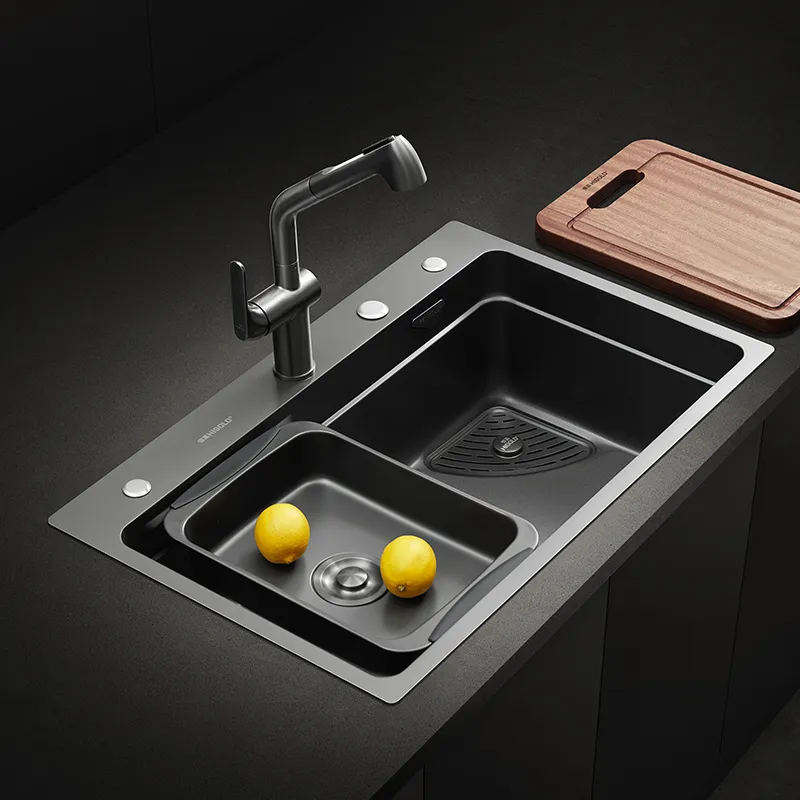
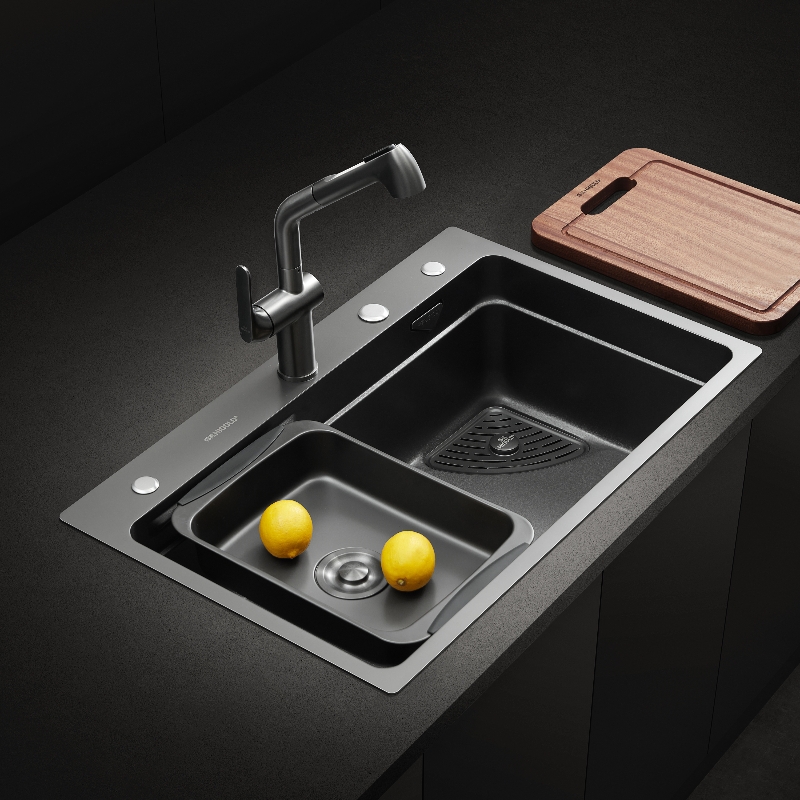
- A double bowl kitchen sink consists of two sinks of the same or different sizes, which are usually placed side by side on a sink countertop. This design is sometimes also called a "separated sink". Compared with a single-bowl sink, its advantage is that it can perform different types of operations without interfering with each other.2025-07-25Learn More
- Standard single-bowl sinks are usually 30 cm to 50 cm wide, 60 cm to 80 cm long, and 20 cm to 25 cm deep; double-bowl sinks are 20 cm to 30 cm wide per bowl, usually 80 cm to 100 cm long, and 20 cm to 25 cm deep.2025-07-22Learn More
- Advantages of a single-trough sink: 1. Space saving 2. Large washing area 3. Easy to clean 4. Beautiful and simple Advantages of a double-trough sink: 1. Flexible operation 2. Better garbage disposal 3. Stronger classification function 4. Suitable for most kitchens2025-07-09Learn More