

When designing or remodeling a kitchen, few decisions carry as much daily impact as choosing between a single sink and a double sink. The kitchen sink is the workhorse of the household—used for washing dishes, preparing food, rinsing vegetables, and even bathing pets. Yet many homeowners rush this choice, only to regret it later. Should you go with a spacious single sink that accommodates large cookware, or a versatile double sink that allows multitasking? This article explores every angle of the single sink versus double sink debate, helping you determine which kitchen sink truly fits your lifestyle.
1. The Classic Dilemma: One Bowl or Two?
Every kitchen sink purchase begins with this fundamental question. A single sink offers one large, uninterrupted basin. A double sink provides two separate bowls, usually of equal or unequal sizes. Both configurations have passionate advocates. Chefs often prefer a deep single sink because it can hold oversized stockpots and baking sheets. Busy parents may favor a double sink because they can wash on one side and rinse on the other. The right kitchen sink depends entirely on how you use your kitchen.
Let’s start by examining the single sink in detail. Then we will look at the double sink, and finally help you decide which kitchen sink is best for your home.
2. The Single Sink: Spacious, Simple, and Streamlined
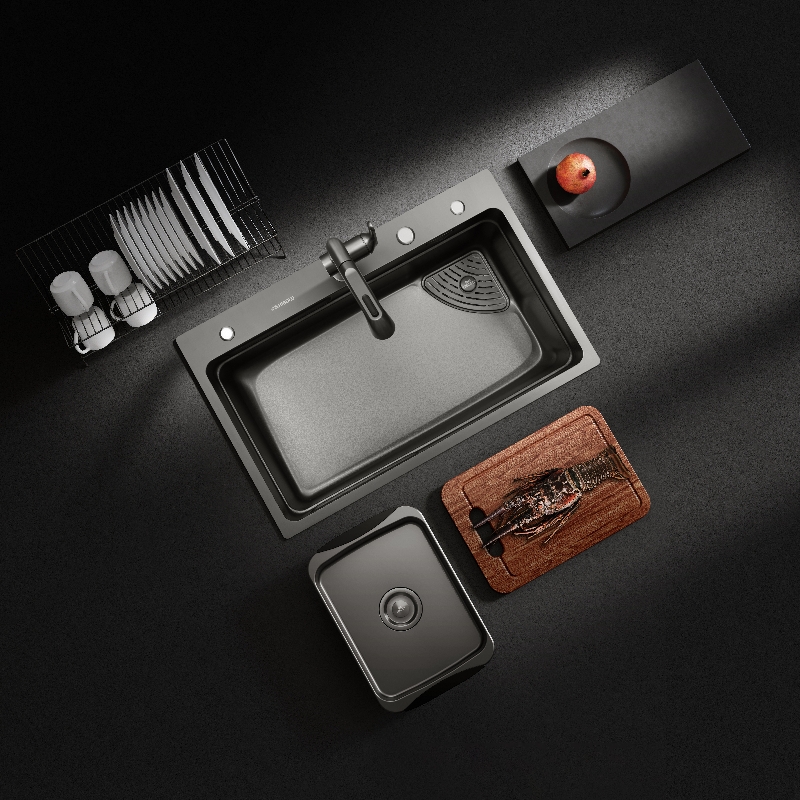
A single sink is exactly what it sounds like—one large bowl. The most common single sink sizes range from 22 to 33 inches in width, with depths of 8 to 10 inches. The primary advantage of a single sink is its generous capacity. You can lay a large roasting pan flat, soak a dirty stockpot completely submerged, or wash a tall vase without tilting it. For anyone who frequently cooks large meals or bakes, a single sink is a game‑changer.
Another benefit of the single sink is ease of cleaning. With only one bowl, there are no dividing walls, no crevices where food particles get trapped, and no awkward corners to scrub. A single sink allows you to sweep debris directly into the drain without obstacles. Many modern single sink designs feature gently sloped bottoms that enhance drainage and prevent standing water.
Installation is also simpler with a single sink. Whether you choose an undermount, top‑mount, or farmhouse style, a single sink requires fewer plumbing connections and less cutting of the countertop. This can reduce installation costs significantly. Moreover, a single sink takes up less countertop width than a comparable double sink, leaving more prep space on your counters—a valuable asset in small kitchens.
However, the single sink has its drawbacks. The most cited complaint is the lack of separation. With a single sink, you cannot soak dirty dishes in soapy water while simultaneously rinsing clean ones. You cannot wash vegetables in one side while draining pasta in the other. For households that generate a lot of dishes or have multiple cooks, the single sink can become a bottleneck during meal preparation.
3. The Double Sink: Versatile, Efficient, and Multitasking‑Friendly
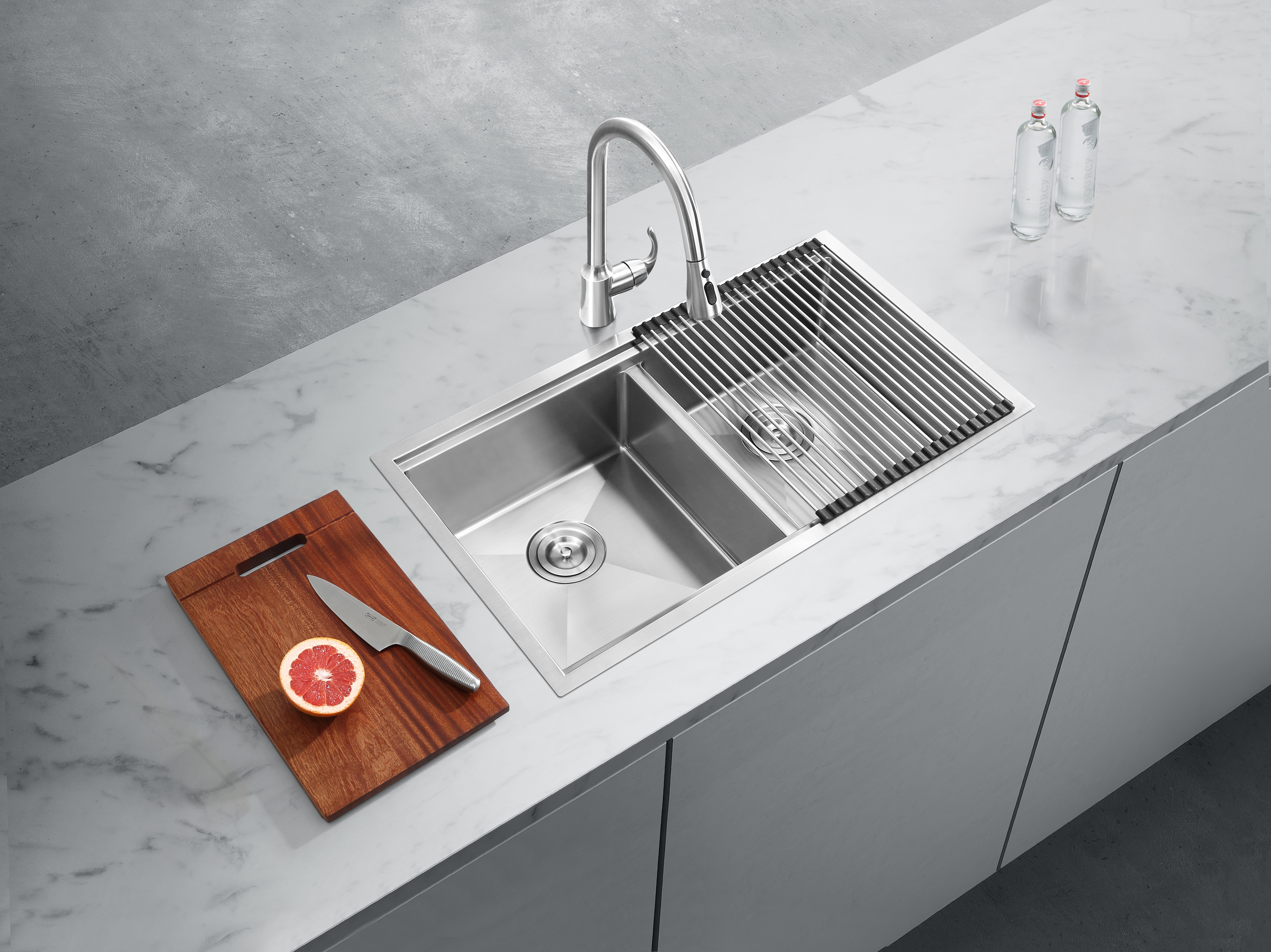
A double sink features two bowls side by side. They can be equal size (50/50 split) or unequal (60/40 or even 70/30). The double sink is beloved for its versatility. The classic use is washing on one side and rinsing on the other. You can fill one bowl with hot, soapy water and the other with clear rinse water. This makes dishwashing more systematic and reduces water usage because you don’t need to run the tap continuously.
The double sink also excels at multitasking. While you soak a greasy pan in one bowl, you can use the other bowl to rinse produce or thaw meat. If you have a garbage disposal, you can install it in one bowl and use the other as a regular drain. Some families designate one side of the double sink for dirty items and the other for clean drying or food prep. This separation is especially useful for larger households where multiple activities happen simultaneously.
Another advantage of the double sink is that it often comes with a smaller secondary bowl, which is perfect for quick hand‑washing or for tasks that require only a little water. You don’t have to fill an entire single sink just to wash a few utensils. This can save water and time. Additionally, a double sink can increase your home’s resale value because many buyers expect this configuration as a standard feature in modern kitchens.
But the double sink is not without downsides. The most obvious is that each bowl is smaller than a comparable single sink. A large roasting pan or a big stockpot may not fit fully into one side of a double sink, forcing you to wash it diagonally or in the gap between the bowls. The central divider can also be a nuisance—it reduces usable space and can make it harder to wash extra‑long items. Furthermore, a double sink requires more countertop width, typically at least 33 inches, and often 36 inches or more. In a compact kitchen, this may not be feasible.
4. Key Factors to Consider When Choosing Your Kitchen Sink
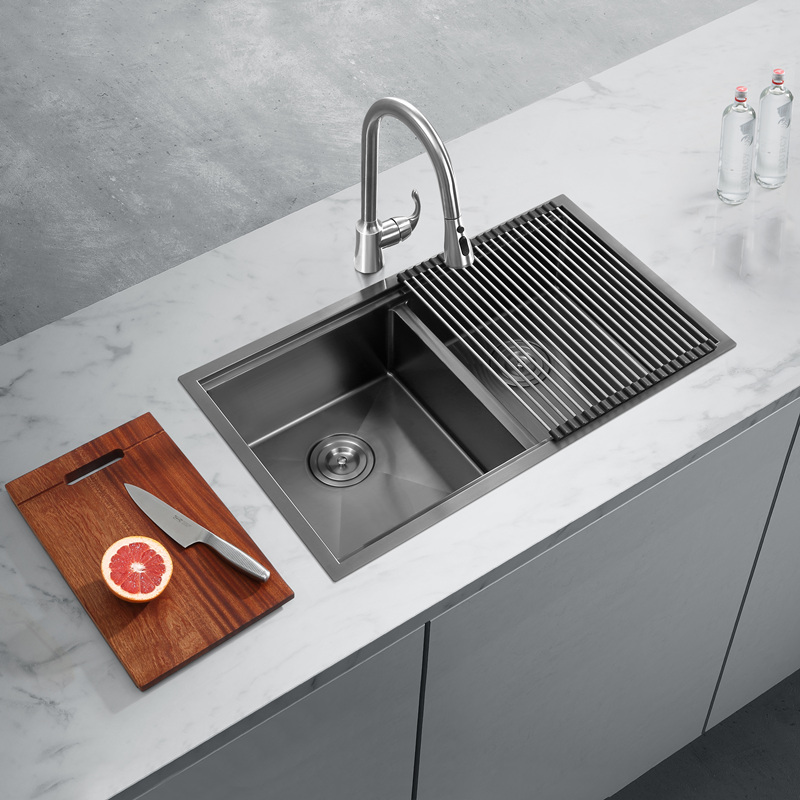
Now that we understand the basic characteristics of the single sink and the double sink, let’s examine the practical factors that should influence your decision.
Your Cooking and Cleaning Habits
If you regularly cook large roasts, whole turkeys, or oversized pasta pots, a deep single sink is almost indispensable. You need the room to maneuver. Conversely, if you wash dishes by hand daily and prefer a dedicated rinse basin, a double sink is the obvious choice. Think about your busiest kitchen moments—do you need to separate tasks or combine them?
Kitchen Size and Countertop Space
Measure your available counter space. A single sink typically needs a minimum cabinet width of 30 inches, while a double sink usually requires 33 to 36 inches. If you have a small galley kitchen, a single sink may be the only practical option. If you have ample space, you can consider a large double sink with unequal bowls—giving you both a big main basin and a smaller secondary one.
Family Size and Usage Frequency
A single person or a couple may find a single sink perfectly adequate. A family of four or more, especially with children, will likely benefit from a double sink because dishes pile up quickly, and having two basins allows one to soak while the other is used for prep or rinsing.
Cleaning and Maintenance
A single sink is easier to keep clean—no divider to scrub, fewer corners for grime. A double sink has more seams and joints, especially if the bowls are welded together. However, modern double sink models have seamless construction that minimizes this issue. Also, consider the material: stainless steel, fireclay, cast iron, or composite granite. Both single sink and double sink are available in all materials.
Drainage and Plumbing
A single sink uses a single drain, which simplifies plumbing and reduces the chance of clogs. A double sink may require a continuous waste tee or a special disposal flange, adding complexity. If you plan to install a garbage disposal, you can put it in one side of a double sink, but you cannot have disposals on both sides simultaneously.
5. Compromise Solutions: Off‑Centered and Multi‑Function Sinks
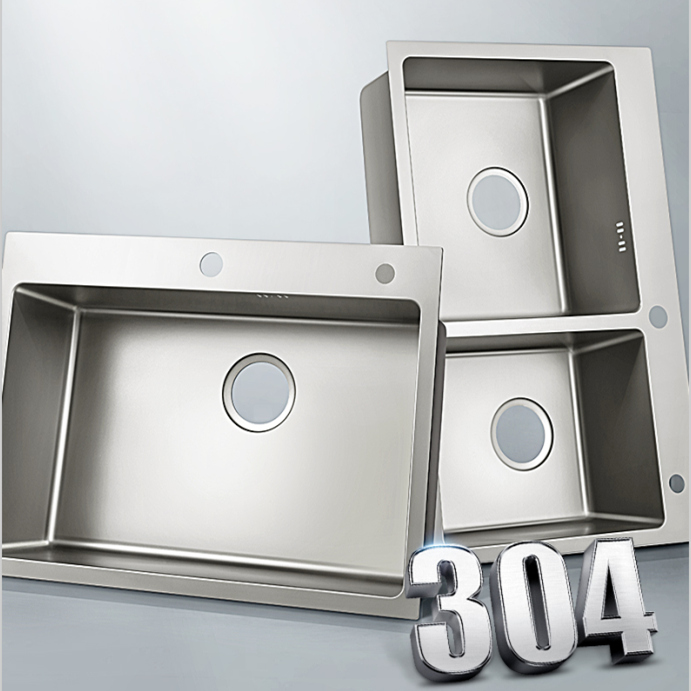
Some manufacturers offer hybrid designs that blur the line between a single sink and a double sink. For example, a single sink with a built‑in ledge for a colander or cutting board can simulate the separation of a double sink. Conversely, some double sink models have a removable divider, allowing you to convert it into a large single sink when needed. These innovative kitchen sink options give you the best of both worlds.
Another popular compromise is the unequal double sink, where one bowl is large (e.g., 70% of the width) and the other is small (30%). This gives you the spaciousness of a single sink for big items, plus a dedicated prep or rinse basin. Many homeowners find this the ideal balance.
6. Which Kitchen Sink Should You Choose? A Decision Framework
To help you decide between a single sink and a double sink, ask yourself these questions:
Do I frequently wash extra‑large cookware? If yes, lean toward a deep single sink.
Do I prefer to soak and rinse separately? If yes, a double sink is better.
Is my kitchen counter small? If yes, choose a single sink to save space.
Do I have a large family with heavy dishwashing loads? If yes, a double sink will make your routine easier.
Am I concerned about cleaning effort? A single sink is simpler to maintain.
Am I planning to sell my home soon? A double sink is often more appealing to buyers.
Ultimately, there is no universally correct answer. The best kitchen sink for you is the one that matches your daily routines, your physical space, and your aesthetic preferences.
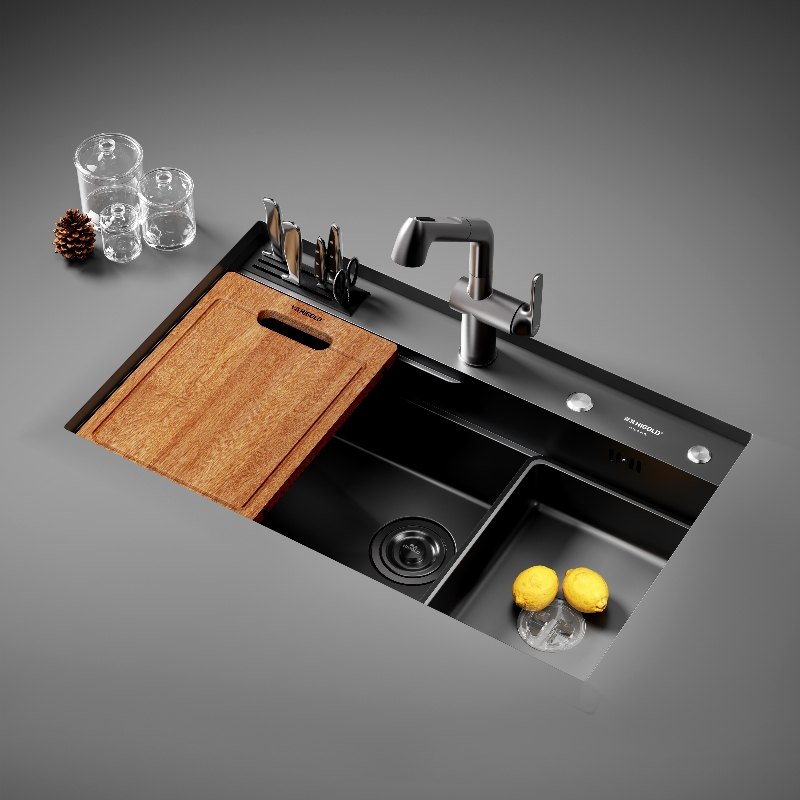
7. Conclusion: The Right Kitchen Sink for Your Life
Choosing between a single sink and a double sink is not about which is objectively better—it is about which fits your life. A single sink offers freedom, simplicity, and room for oversized items. A double sink offers efficiency, versatility, and multitasking convenience. Both are excellent kitchen sink choices when selected with care.
Before you buy, visit a showroom to see both types in person. Place your hands in the bowls, imagine washing your largest pot, and visualize your daily routine. Talk to friends or family about their experiences with their kitchen sink. And remember—whether you choose a single sink or a double sink, the right kitchen sink will make your time in the kitchen more enjoyable and productive.
Now that you know the strengths and weaknesses of each, you can confidently decide. Will it be a spacious single sink or a versatile double sink? The answer lies in your kitchen habits, your space, and your heart.

