

A high-quality stainless steel kitchen sink is an indispensable core component in every modern kitchen. Whether it is a single stainless steel sink bowl or a multi-bowl integrated structure, the durable metal material makes the kitchen sink resistant to high temperatures, corrosion and impact. As a professionalstainless steel kitchen sink factory, we deeply understand that excellent product quality needs scientific daily maintenance to extend service life. Moreover, reasonable maintenance also matches the long-term use of kitchen sink and countertop combinations, and effectively keeps the kitchen sink disposal system unobstructed. This article will systematically introduce practical maintenance methods to help every user maintain the perfect condition of stainless steel kitchen sinks.
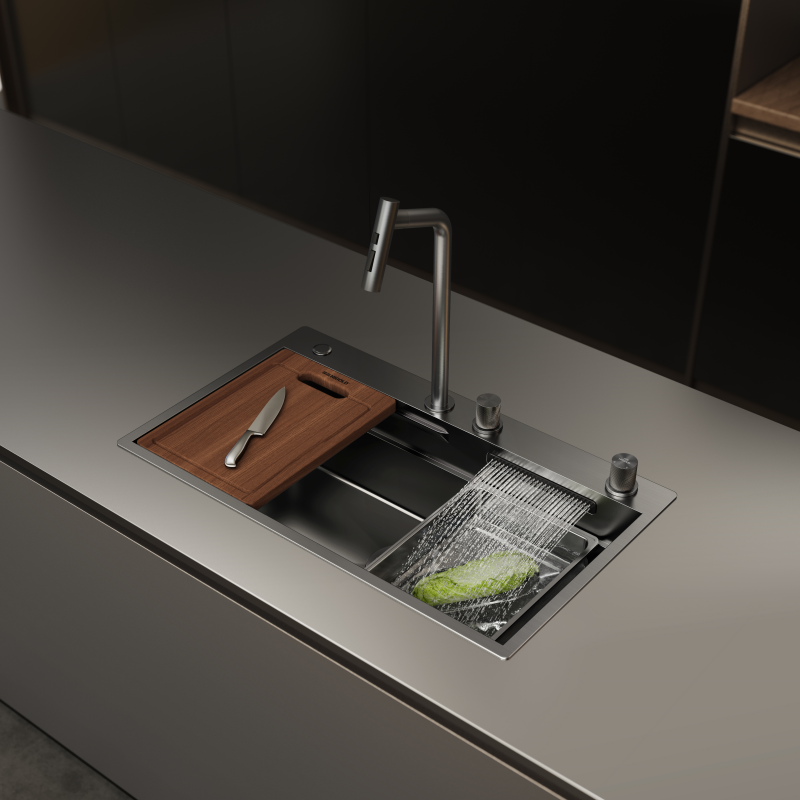
1. Basic Daily Cleaning for Stainless Steel Kitchen Sink
It is necessary to use soft cleaning tools such as microfiber cloths and soft sponges to wipe the stainless steel sink bowl along the metal grain. Never use hard steel wool or abrasive scouring pads, because these tools will leave irreversible scratches on the surface of the kitchen sink. The scratches will easily hide dirt and breed bacteria, and even affect the matching aesthetics of the overall kitchen sink and countertop. For mild oil stains, neutral mild detergent is the best choice, which will not corrode the stainless steel material and protect the smooth surface of the sink.
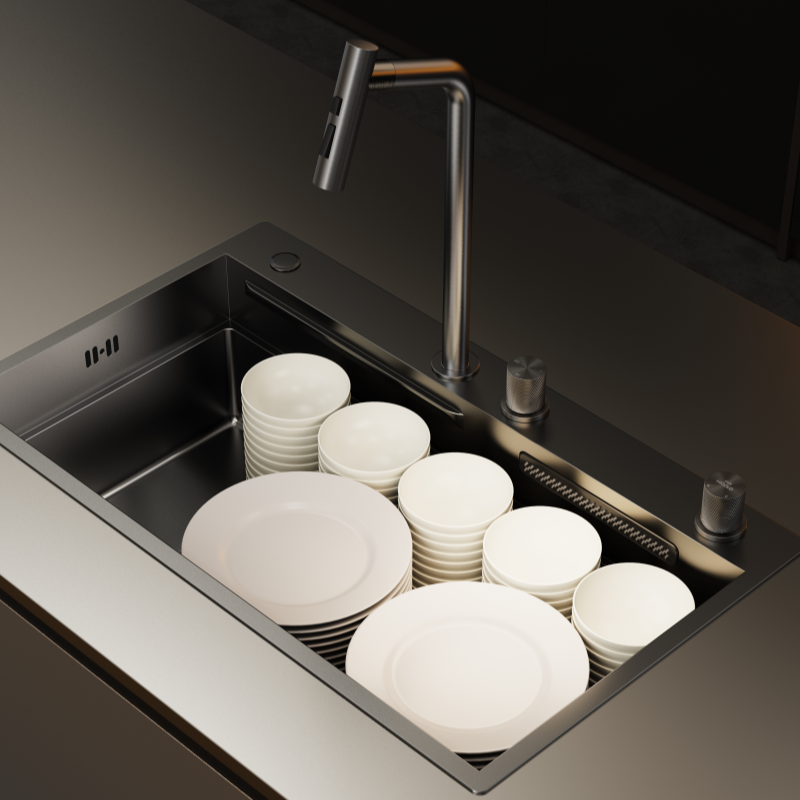
2. Deep Stain Removal and Rust Prevention Maintenance
For tiny rust spots occasionally appearing on the kitchen sink, make a paste with baking soda and clean water, apply it to the rust area, and scrub softly with a soft brush. The stainless steel kitchen sink factory reminds users that rust spots are mostly caused by residual iron filings, not material quality problems. Timely cleaning can prevent rust from spreading. In addition, do not place iron pots, cans and other metal containers in the stainless steel sink bowl for a long time to avoid metal chemical reaction causing secondary rust.
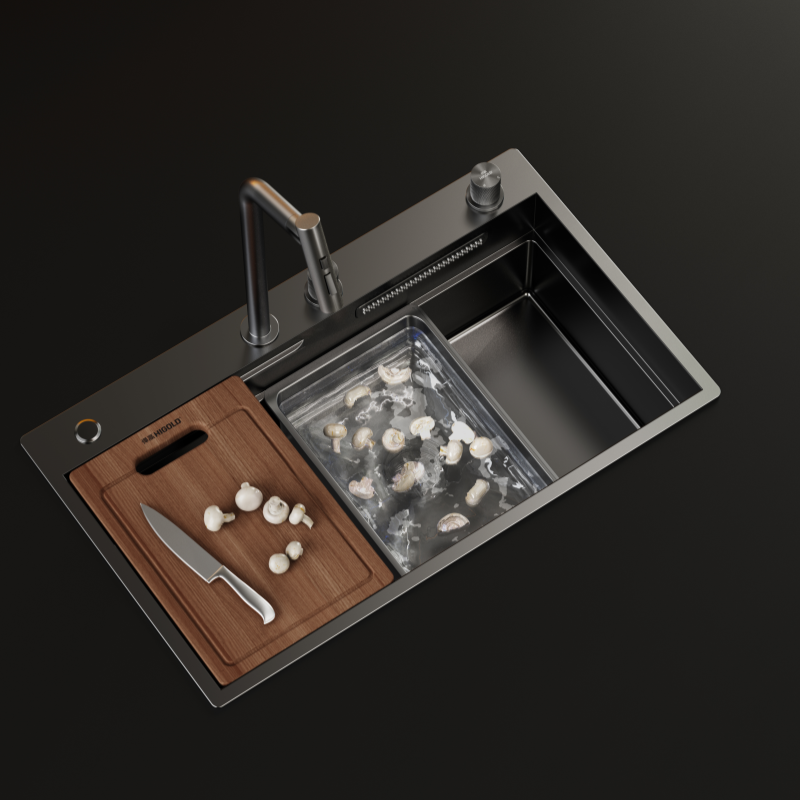
3. Professional Maintenance of Kitchen Sink Disposal System
Every two weeks, users can pour ice cubes and a small amount of baking soda into the kitchen sink disposal, and turn on the crushing function to clean the internal residual grease and food residues. After cleaning, rinse the stainless steel sink bowl with cold water to keep the drainage pipeline fresh and odor-free. Good maintenance of the kitchen sink disposal can avoid pipeline blockage, prevent sewage from backflowing, and protect the sanitary condition of the kitchen sink and countertop.
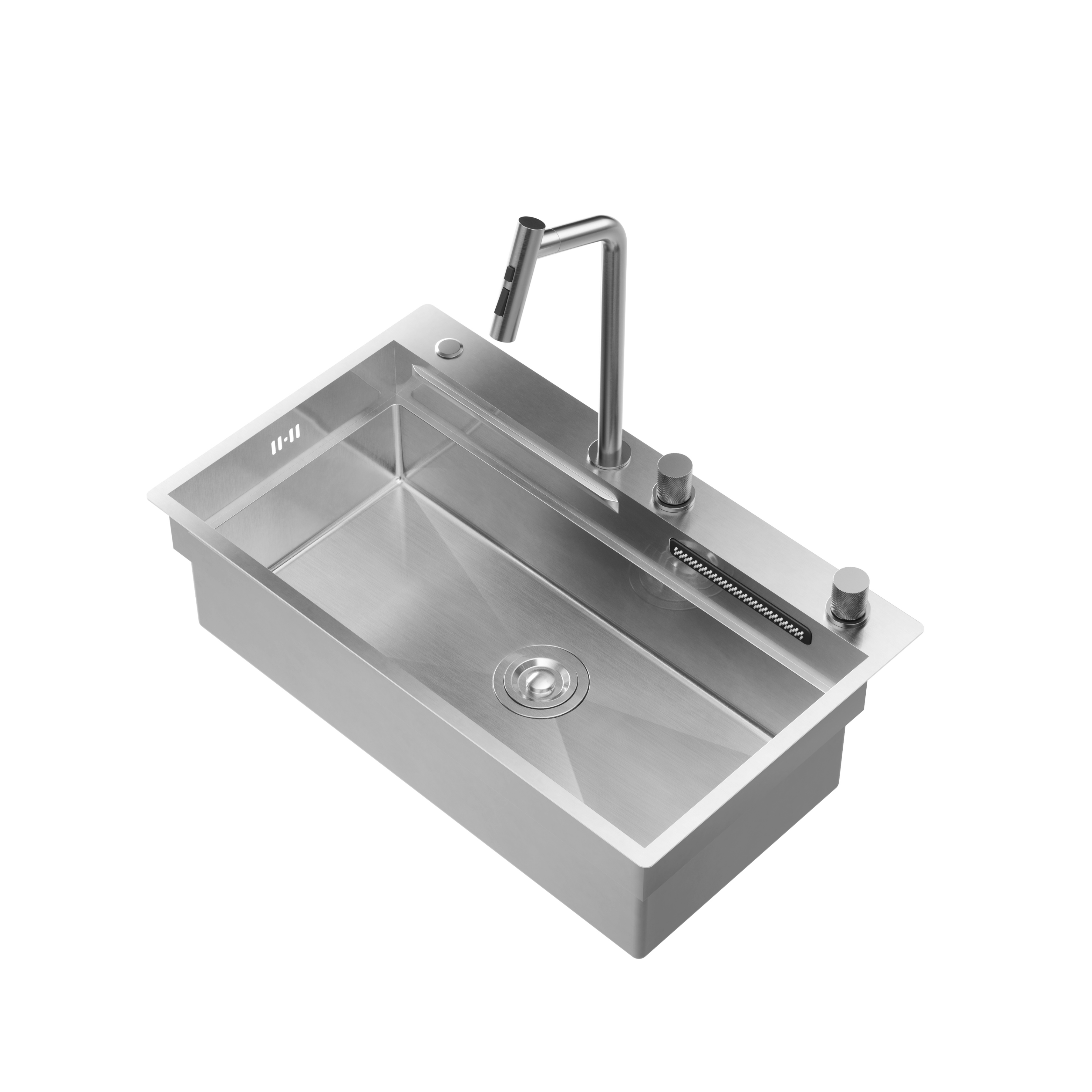
4. Integrated Protection of Kitchen Sink and Countertop
When placing heavy kitchen utensils, avoid violent collision with the edge of the kitchen sink to prevent edge deformation and gap enlargement of the kitchen sink and countertop. At the same time, avoid placing high-temperature pots directly on the edge of the stainless steel sink bowl for a long time. Excessive temperature difference will affect the metal toughness and cause subtle deformation of the sink edge, which will damage the overall matching effect.
5. Daily Taboos and Long-term Maintenance Suggestions
As a professional manufacturing base, the stainless steel kitchen sink factory recommends conducting a comprehensive maintenance once a month: clean the kitchen sink disposal, polish the sink surface with special stainless steel care fluid, and check the tightness of the kitchen sink and countertop connection. Standardized maintenance can keep the stainless steel sink bowl bright as new for many years, reduce replacement costs, and bring a comfortable and durable kitchen use experience.

