

In kitchen renovations, the sink is often overlooked yet a crucial component used frequently. Undermount kitchen sinks, especially popular in recent years, have become a top choice for many kitchens due to their simple appearance, ease of cleaning, and increased countertop space utilization.
However, after years of use, problems such as rust, cracking, silicone aging, and leaks appear, leading many families to a practical question: Does replacing an undermount kitchen sink require removing the countertop?
This article will comprehensively and deeply explore this core question, providing a systematic explanation of its structure, installation methods, technical challenges, and practical suggestions.
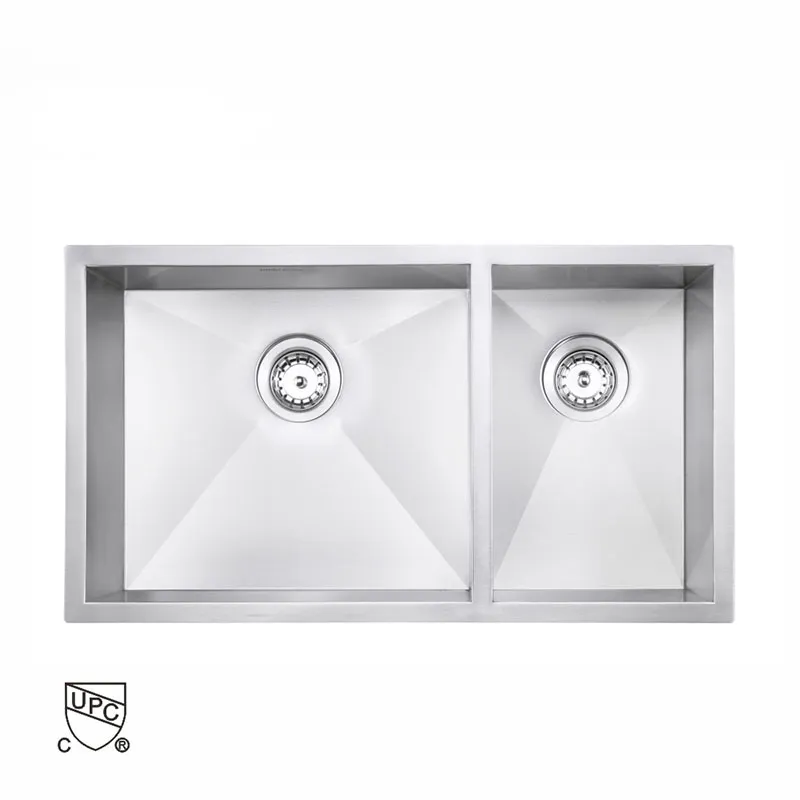
Why do people assume that replacing an undermount sink necessarily requires removing the countertop?
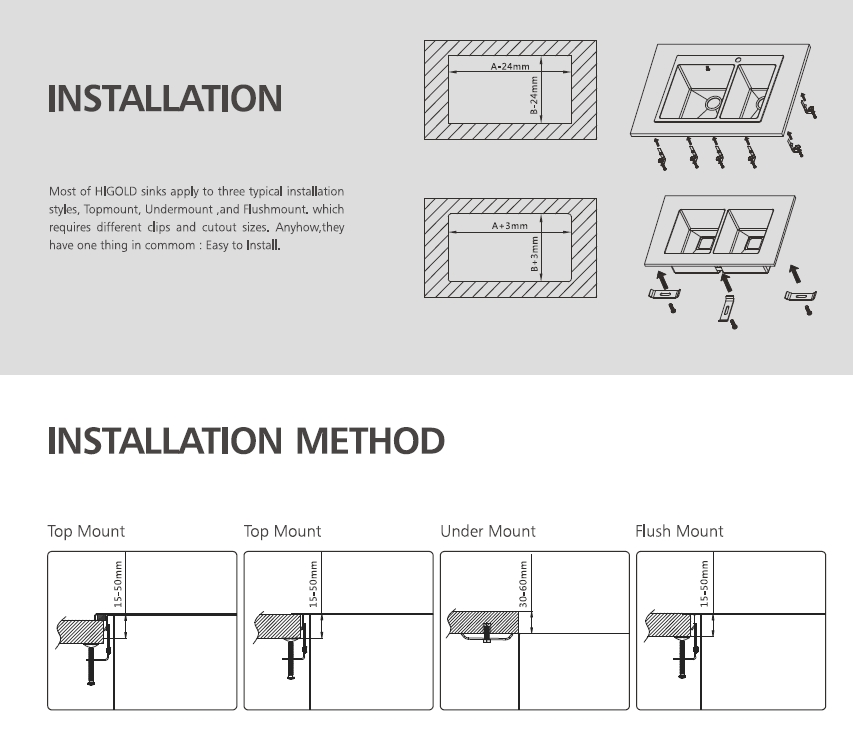
Undermount kitchen sinks differ from countertop or recessed sinks. Their installation involves directly attaching or fixing the sink to the bottom of the countertop using glue, metal clips, or a double-fixation method.
Think about these points carefully, and you'll understand:
1. The sink's fixing structure is entirely located under the countertop and is removable
Common fixing methods for undermount sinks:
✔ Metal clips
Clips are installed on the edge of the sink and fixed to the bottom of the countertop.
To disassemble, simply loosen these clips with a tool.
✔ Support frame/wooden board
Some installations include a wooden frame to support the sink's weight. To remove the sink, simply unscrew the wooden frame.
✔ Structural adhesive/silicone
Strong adhesive and sealant are applied to the bottom side of the countertop.
This can be carefully cut away from below using a cutting tool.
In other words, everything that "holds the sink" is underneath, unrelated to the countertop itself.
2. Undermount sinks are removed downwards, not upwards
Many people mistakenly believe:
"To 'pull' the sink out of the countertop, you have to remove the countertop."
However, the correct way to remove an undermount kitchen sink is:
Pull the sink down from the cabinet, without going over the countertop or damaging it.
In other words, the steps are:
• Disconnect the water pipes
• Remove the clips/brackets
• Cut the silicone sealant
• Support the old sink from below → Slowly remove it
The countertop will not move during the entire process.
3. The countertop itself provides enough space for you to work
The cabinet space under the countertop is specifically for:
• Installing the sink
• Installing plumbing
• Repairing parts
Therefore, when replacing an undermount kitchen sink, all operations are: Climb into the cabinet and move the sink from below, without touching the countertop.
4. So why is it sometimes necessary to remove the countertop?
The problem isn't with the sink itself, but with the countertop:
• The opening is too small/too large, preventing the new sink from fitting.
• The countertop is cracked.
• The bottom edge is severely chipped, making it impossible to secure the sink.
• Excessive use of strong adhesive during previous installation makes the sink impossible to remove (very rare).
These are the situations that necessitate countertop removal (but the proportion is low).
Therefore, the main characteristics of undermount sinks include:
• The sink edge is hidden beneath the countertop.
• The countertop surface is intact with no exposed edges.
• It relies on the countertop's load-bearing strength and adhesive structure for fixation.
• Removing the fasteners and silicone sealant can affect the countertop's bottom structure.
These structural characteristics lead many to worry: does removing the sink mean damaging the countertop? This is especially true for stone countertops, such as quartz, granite, and marble, where irreversible damage during removal is a concern.
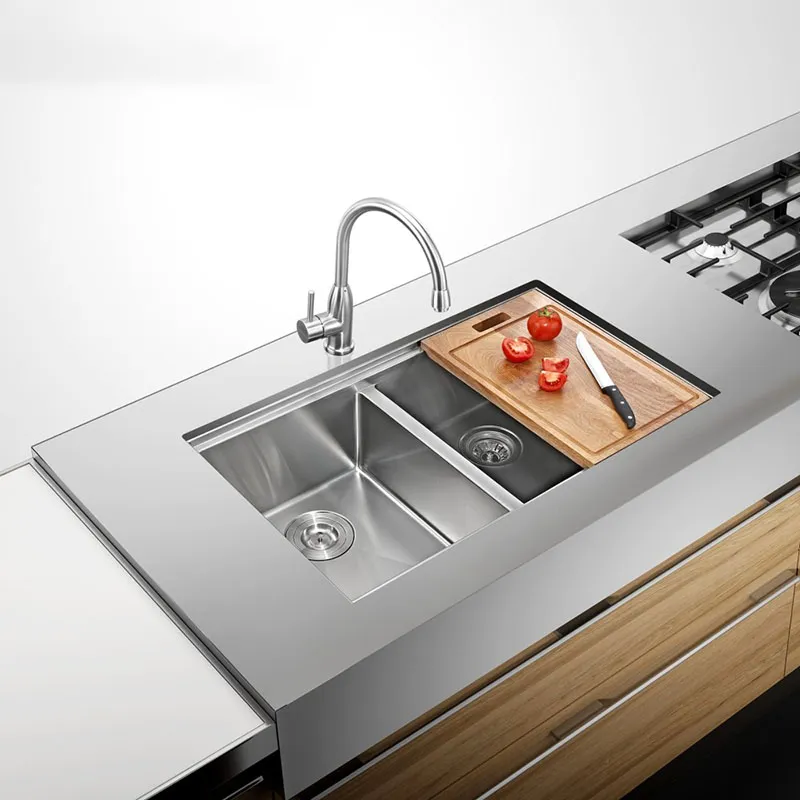
In which situations might replacing an undermount sink require countertop removal?
While countertop removal is generally unnecessary, there are a few exceptions. The following situations often require more extensive disassembly or even complete removal of the countertop:
1. New sink size is larger or smaller than the countertop opening
If the new undermount sink doesn't match the original opening—for example, if the opening is too large to secure the sink, or too small to fit—the opening size must be adjusted, which usually requires disassembling the countertop.
2. The original undermount sink is excessively firmly bonded to the countertop
If an exceptionally strong adhesive, such as epoxy resin, was used during installation, disassembly may cause the countertop edges to crack. In this case, to prevent further damage, the entire countertop needs to be removed for repair or replacement.
3. The bottom or edges of the countertop are damaged
For example, a quartz countertop may exhibit:
• Cracks
• Chipped corners
• Severe water damage
These conditions will prevent the new undermount kitchen sink from being installed stably, necessitating countertop removal for repair or replacement.
4. Original Support Structure Cannot Be Reused
If the original support structure is unusable due to aging, deformation, or rust, it needs to be re-welded or a new clamping structure installed. This requires external access to the space under the countertop, and in severe cases, may require disassembling the countertop.
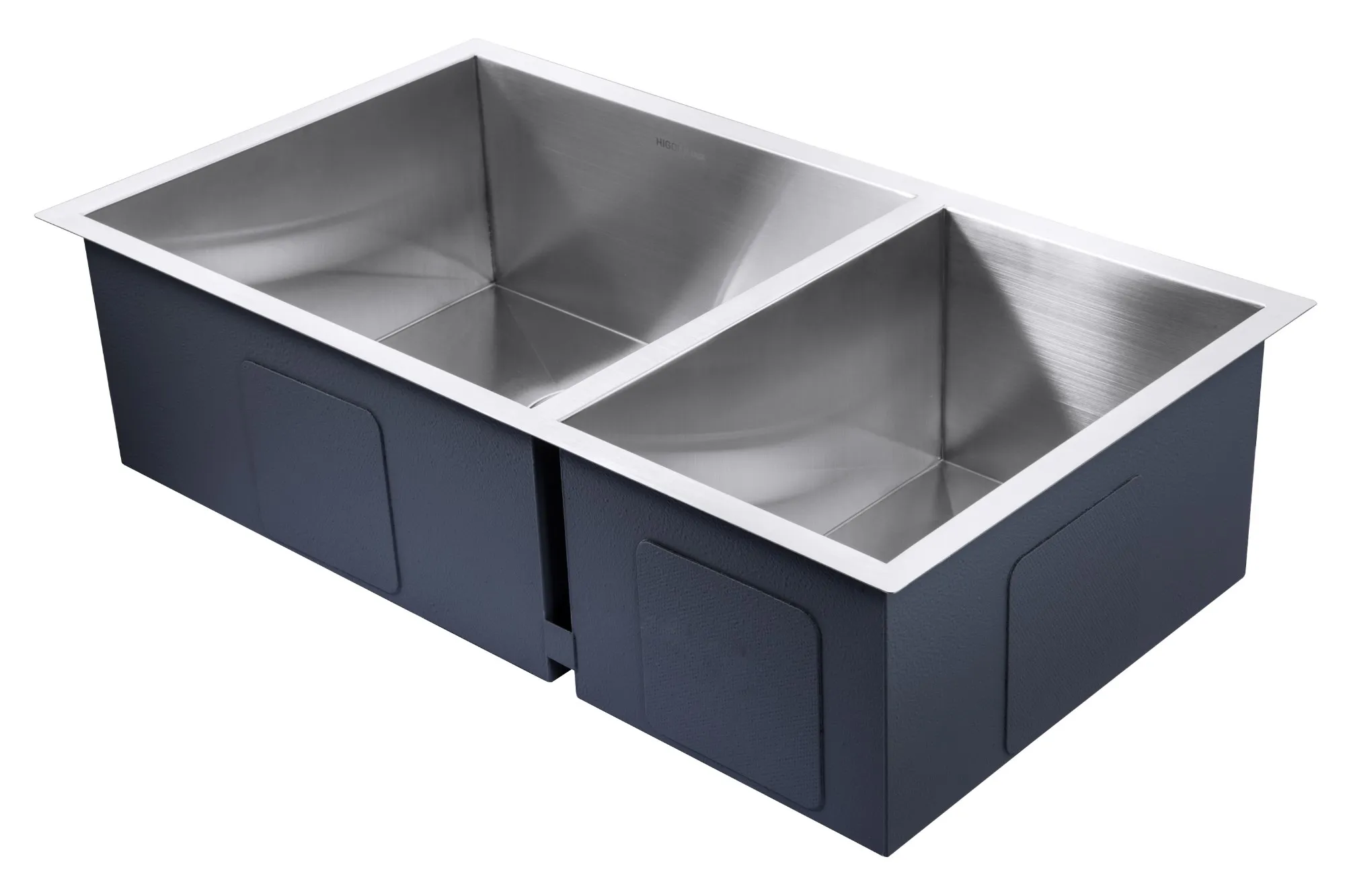
How to Determine if Your Undermount Sink Can Be Replaced Without Removing the Countertop?
To determine if an undermount kitchen sink can be replaced without removing the countertop, you can use the following strategies to check:
1. Check the Sink's Fixing Method
• Are there metal clips?
• Is there a supporting wooden board?
• Is it entirely glued?
Clips are easy to remove; glue is difficult to remove.
2. Check the Underside of the Countertop for Cracks or Water Leakage
If the countertop is already damaged, removing it is for repair, not the sink itself.
3. Measure the Compatibility of the Cutouts and the New Sink
The smaller the size difference between the old and new sinks, the more likely it is that the countertop will not need to be removed.
4. Gently Test the Silicone's Aging with a Tool
If it is very hard and difficult to cut, disassembly will be more difficult.
What are the specific steps for replacing an undermount sink?
To provide readers with a clearer understanding of the professional replacement process, the following is the standard operating procedure (assuming no countertop removal is required):
Step 1: Turn off the water supply and disconnect the pipes
This includes hot and cold water pipes, drain pipes, filter connections, etc., while ensuring the space is clean.
Step 2: Remove fasteners
This includes brackets, clips, or wooden frames.
Step 3: Cut the silicone sealant
Use a blade or cutting tool to completely remove the aged silicone sealant along the edge of the undermount sink.
Step 4: Remove the old sink
This usually requires supporting it from the bottom and pulling it down, avoiding uneven stress on the countertop to prevent cracking.
Step 5: Clean the bottom of the countertop
This includes sanding, removing adhesive, and cleaning to ensure a smooth and clean surface.
Step 6: Test install the new sink
Confirm the position, levelness, and fit of the new sink.
Step 7: Reapply sealant and fix
Use specialized structural adhesive and sealant for double reinforcement to ensure stability and waterproofing.
What are the key issues to consider when replacing an undermount sink?
1. Use professional-grade structural adhesive
The weight of an undermount kitchen sink, combined with the weight of a full tank of water, places high demands on the mounting structure.
2. Avoid using excessively thick or inferior sealant
An excessively thick layer of sealant may prevent the sink from fitting perfectly level with the countertop.
3. Handle stone countertops with care
Marble and natural stone are particularly fragile.
4. A leak test must be performed after installation
This includes the sink itself and the drain pipes.
Is it difficult to replace an undermount sink yourself? Is it necessary to hire a professional?
Replacing an undermount sink is significantly more difficult than replacing a countertop sink because:
• The mounting structure is more complex.
• Removing the silicone sealant and brackets requires skill.
• Stone countertops are easily damaged.
• The new sink needs precise leveling.
Therefore, if you lack professional experience, it is strongly recommended to hire a professional installer to avoid damaging the countertop and incurring higher repair costs.
What should you pay attention to when choosing a new undermount sink?
To minimize the risks associated with countertop removal, the size and structure of the new sink are crucial:
• Prioritize choosing a model with the same opening size as your existing sink.
• Pay attention to the sink depth to avoid interference with the cabinets below.
• Ensure compatibility with the matching drain fittings.
• Choose a high-quality stainless steel or stone composite sink for greater durability.
Replacing an Undermount Sink Generally Doesn't Require Removing the Countertop, but Conditions Matter
1. In most cases, replacing an undermount sink can be completed without removing the countertop.
2. However, if the size doesn't match, the countertop is damaged, or the adhesive bonding is too strong, countertop removal may be necessary.
Therefore, a thorough inspection and assessment are essential before replacement to avoid unnecessary damage and additional costs.
If you plan to replace your kitchen sink with an undermount kitchen sink, it is recommended to confirm each step according to the structure and procedures outlined in this article before proceeding. If necessary, seek professional assistance to ensure safe installation and long-lasting results.
Does Higold Provide OBM Services for Large Retailers?
Yes. Higold has served major global retailers with OBM and ODM services for years. We offer custom stainless steel sinks, handmade workstation sinks, and stainless steel faucets tailored to retailer specifications. Our services include private labeling, packaging design, barcode setup, and promotional coordination. Buyers purchasing from Higold benefit from reliable supply and professional project execution.

