

Every day, millions of people walk into their kitchens and instinctively turn to the kitchen sink. It is the most used fixture in the home, yet it is often taken for granted. In recent years, however, a quiet revolution has been taking place, driven by forward‑thinking stainless steel sink companies that refuse to see the kitchen sink as a mere basin. Instead, they have transformed it into a multi‑function sink—a dynamic work station that supports cooking, cleaning, organising, and even socialising. This article explores how these companies are pushing boundaries, not by telling you which sink to buy, but by revealing the broader impact of their designs on our daily routines, kitchen aesthetics, and environmental consciousness.
To understand the shift, we must first look at history. Decades ago, a kitchen sink was simply a deep enamel or cast‑iron bowl with one tap. It had one purpose: to hold water for washing dishes. Then came stainless steel, which offered durability, hygiene, and a sleek appearance. Early stainless steel sink companies focused mainly on material quality and rust resistance. But as open‑plan kitchens became popular, the kitchen sink moved from a hidden corner to a centrepiece. Suddenly, its design mattered as much as its function. This is when the concept of a multi‑function sink began to emerge. Today, leading stainless steel sink companies no longer produce just a single bowl; they engineer entire systems that include integrated cutting boards, colanders, drying racks, utensil holders, and even built‑in waste disposers. The modern kitchen sink is a command centre, and the companies behind it are constantly reimagining what it can do.
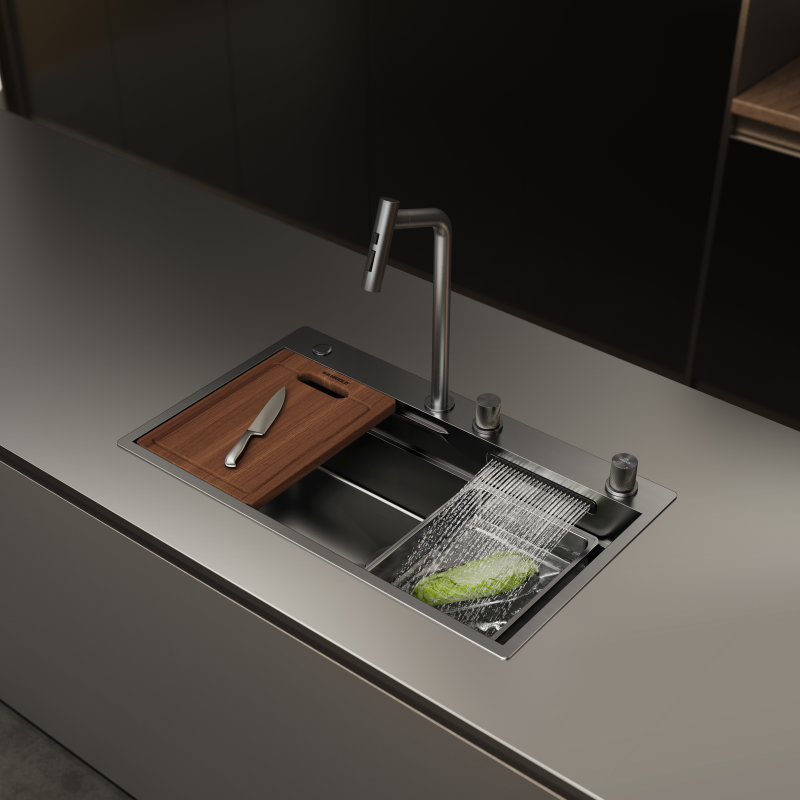
One of the most noticeable trends is the spatial reorganisation that a multi‑function sink brings. Traditional kitchens separate the sink from the prep area and the cooktop, forcing the cook to walk back and forth. A well‑designed multi‑function sink, however, consolidates these steps. For example, many stainless steel sink companies now offer sinks with removable accessory rails. You can slide a bamboo cutting board over the main basin, chop vegetables, and push the scraps directly into a designated compartment. You can then place a colander over the second basin to rinse fruits, and the water drains straight into the sink. This seamless workflow is only possible because the kitchen sink has been re‑engineered as a multi‑function sink. Stainless steel sink companies have invested heavily in research to understand cooking behaviours, and they have discovered that when a kitchen sink does more, the cook moves less, and the entire meal preparation becomes faster and more enjoyable.
Beyond workflow, aesthetics play a huge role. The kitchen sink is often the first thing guests see when they enter an open kitchen, and stainless steel sink companies have responded with stunning visual designs. Gone are the days of a plain, shiny box. Today’s multi‑function sink features brushed finishes, nano‑coated surfaces, and under‑mount installations that create a seamless countertop look. Some stainless steel sink companies even offer custom colours and textures, although the classic satin finish remains the most popular because it hides water spots and fingerprints so well. But beauty is not just skin deep; the multi‑function sink must also resist scratches, heat, and impact. Leading stainless steel sink companies use 18/10 or 304 grade steel, with thickness ranging from 1.2 mm to 1.5 mm, to ensure that the kitchen sink remains both elegant and robust. They know that a beautiful kitchen sink that dents easily is useless, so they marry form with function in every product.
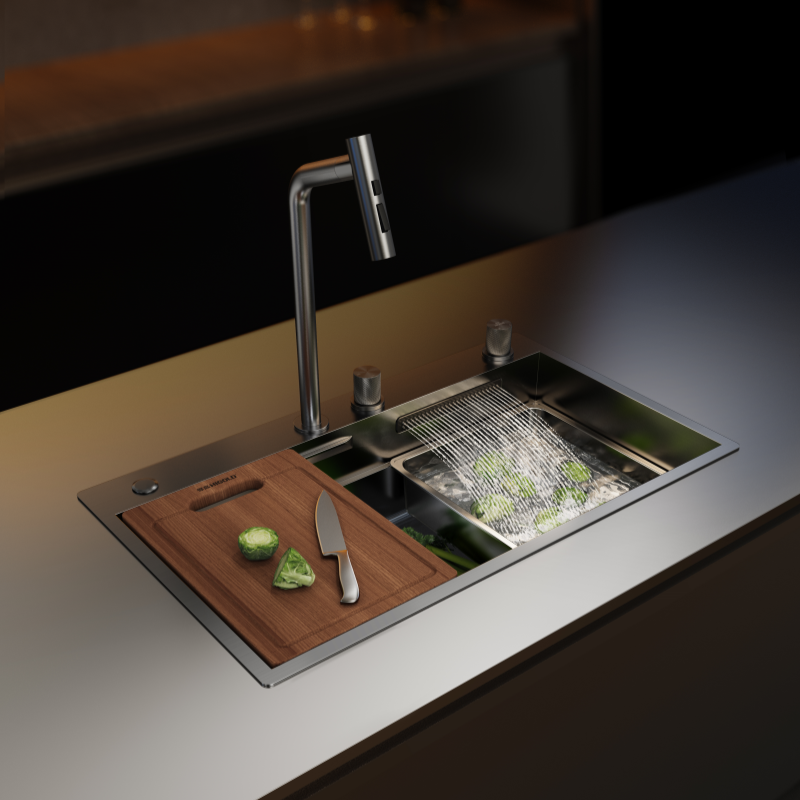
Another area where stainless steel sink companies excel is noise reduction. Have you ever been irritated by the loud clatter of dishes or the roar of water hitting metal? A quality multi‑function sink today comes with sound‑deadening pads and undercoating, which absorb vibrations and muffle noise. This is a direct result of intensive engineering by stainless steel sink companies, who recognise that the kitchen is often the heart of the home, where families gather and conversations happen. A noisy kitchen sink disrupts that harmony. So, they apply multiple layers of rubberised material to the underside of the sink, turning the kitchen sink into a quiet helper. This feature is especially appreciated in open‑plan apartments where noise travels easily. By prioritising acoustic comfort, these companies have elevated the multi‑function sink beyond a utilitarian object to a considerate companion in daily life.
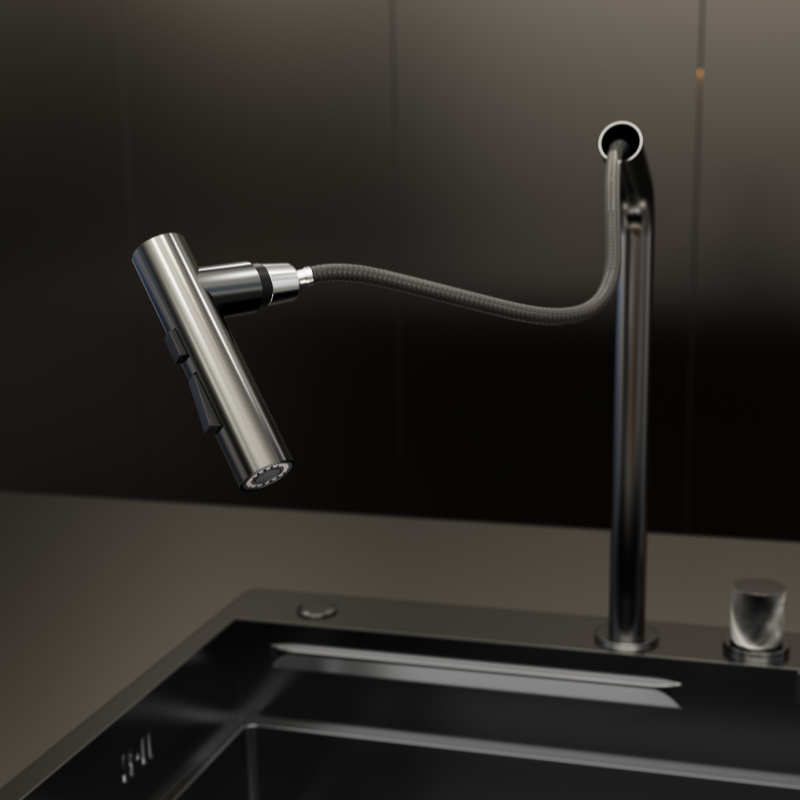
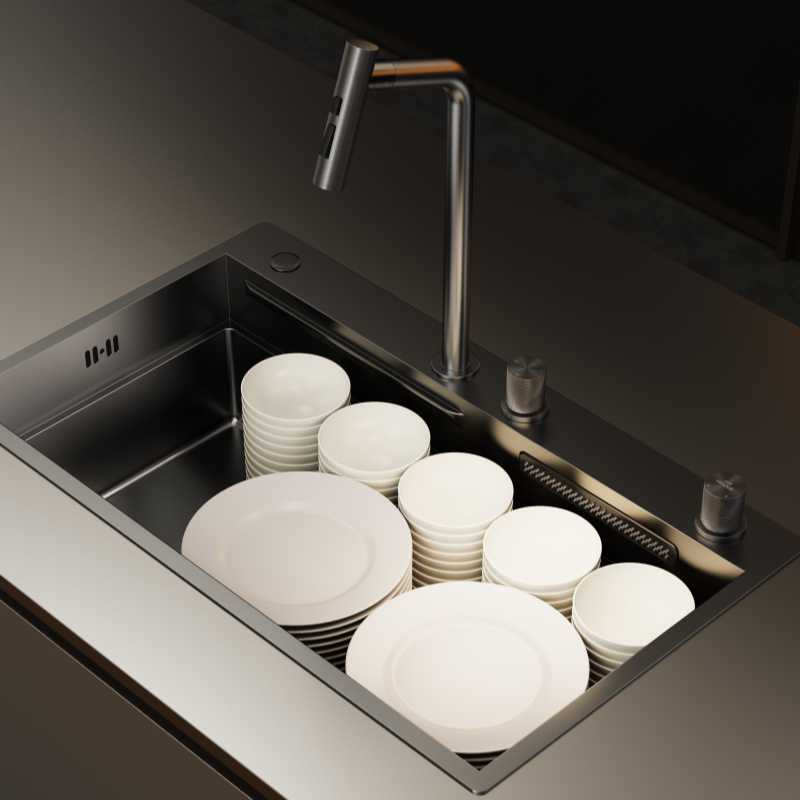
Water efficiency is yet another frontier. While we are not discussing how to choose a sink, it is worth noting that stainless steel sink companies are deeply involved in sustainability. Many multi‑function sinks are now designed with dual basins of different depths, allowing you to soak heavily soiled items in one side while rinsing lightly in the other, thus saving water. Some advanced models come with integrated flow‑restrictors and aerators that mix air with water, reducing consumption without sacrificing cleaning power. Stainless steel sink companies also work closely with faucet manufacturers to create coordinated systems that include pull‑down sprayers and touch‑free sensors. These innovations turn the kitchen sink into a water‑smart station. Moreover, stainless steel itself is infinitely recyclable, making it the most environmentally friendly material for a kitchen sink. Many stainless steel sink companies now publish lifecycle assessments to show the carbon footprint of their products, and they actively promote repair over replacement. A durable multi‑function sink can last decades, which significantly reduces waste. This commitment to sustainability is not just good for the planet; it also resonates with modern consumers who want their kitchen sink to reflect their values.
We must also talk about the social dimension. The kitchen has evolved into a social hub, and the kitchen sink often becomes the informal gathering point during parties or family get‑togethers. People lean against the counter, chat, and grab drinks or snacks. Recognising this, stainless steel sink companies have designed multi‑function sinks with extra‑wide ledges that can hold glasses, serving platters, or even small potted herbs. Some high‑end models include a built‑in cutting board that doubles as a serving board, so you can prepare and present appetizers right at the kitchen sink. This may sound surprising, but when you think about it, the kitchen sink is the one place where water, food, and hands meet most frequently. By expanding its capabilities, the multi‑function sink becomes a centre of social interaction, not just a cleaning zone. Stainless steel sink companies have documented this behavioural shift and now offer accessories like ice‑buckets and wine‑glass holders that fit into the sink, turning it into a temporary bar. Such creative uses show that the kitchen sink has truly become multi‑functional in the broadest sense.
Maintenance and hygiene have also seen major improvements. Traditional sinks had hard‑to‑clean corners and crevices where bacteria could hide. Modern multi‑function sinks from reputable stainless steel sink companies feature rounded corners (often a minimum radius of 10 mm) and sloped bottoms that allow water and debris to flow freely toward the drain. The surface is electro‑chemically polished to create a microscopically smooth finish, which prevents food particles from sticking and makes the kitchen sink exceptionally easy to wipe clean. Some stainless steel sink companies even incorporate silver‑ion antimicrobial coatings into their multi‑function sinks, providing an extra layer of protection against germs. This is particularly important for families with young children or elderly members, as the kitchen sink handles raw meat, unwashed vegetables, and dirty dishes. By prioritising hygiene, these companies ensure that the multi‑function sink is not only convenient but also safe.
Looking ahead, the future of the kitchen sink is even more exciting. Smart technology is beginning to enter this space. Some stainless steel sink companies are experimenting with integrated sensors that detect the water temperature, fill level, and even the weight of items placed inside. Imagine a multi‑function sink that automatically fills to the exact level you need, or that reminds you to change the water after a certain time. There are also concepts with built‑in ultraviolet sterilisation for utensils and cutting boards. While these are still emerging, they show that stainless steel sink companies are constantly innovating. The kitchen sink of tomorrow will likely be connected to your home automation system, allowing you to monitor water usage or start a soak cycle from your phone. This is a far cry from the simple basin of the past, and it all stems from the relentless creativity of those companies.
In conclusion, the modern kitchen sink is no longer a passive fixture. Thanks to dedicated stainless steel sink companies, it has become a multi‑function sink that actively supports cooking, cleaning, entertaining, and sustainable living. From acoustics and ergonomics to aesthetics and smart features, every aspect of the kitchen sink has been rethought. These companies are not selling you a product; they are offering a new way to experience your kitchen. Whether you are a professional chef or a home cook, the multi‑function sink is your silent partner. And as stainless steel sink companies continue to push boundaries, we can only expect more surprises from this humble yet heroic fixture. So the next time you stand at your kitchen sink, take a moment to appreciate the engineering, design, and thought that have gone into making it truly multi‑functional—and remember that behind it all are the stainless steel sink companies that dare to reimagine the heart of your home.

