
2026-04-25
Learn MoreNews

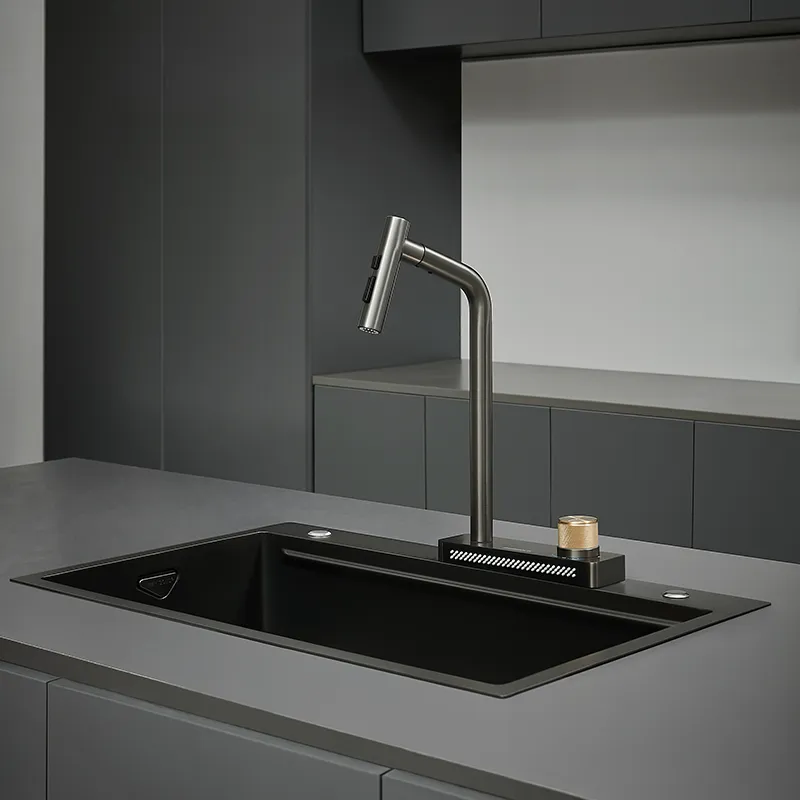
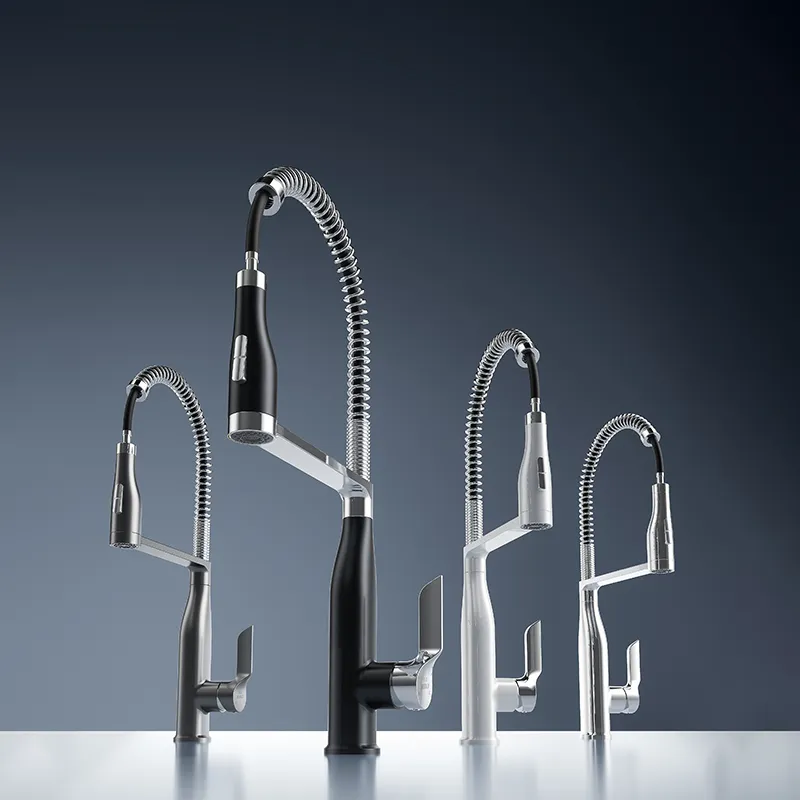
- High-curve kitchen sink faucets have a higher spout position, typically rising 25-45 cm from the countertop. Low-curve kitchen sink faucets have a lower spout position, typically 15-25 cm high. They have a more compact and simpler appearance and are often used in small kitchens or areas with low wall cabinets.2025-12-12Learn More
- The biggest advantage of tall faucets is that they provide a more spacious washing area. Whether washing pots and pans, rinsing fruits and vegetables, or filling large kettles, a high enough kitchen sink faucet avoids the problems of bending over, bumping into things, or splashing water.2025-11-06Learn More
- Leaking kitchen sink faucets are not uncommon; nearly every household has a faucet that leaks. Causes of kitchen faucet leaks include: 1. Improper installation 2. Aging or damaged pipes 3. Deteriorated faucet seals 4. Faucet valve cartridge problems 5. Excessive water pressure 6. Water quality issues2025-08-08Learn More
- The kitchen sink faucet should be installed on the left or right side, but should be determined according to the usage habits of family members, the kitchen space layout, and specific equipment requirements. For right-handed family members, the left side of the faucet is usually more convenient; for left-handed family members, the right side of the faucet is more suitable.2025-07-18Learn More
- Stainless steel sink faucet has become a common choice for kitchen faucets due to its durability and corrosion resistance. It can withstand the test of minerals, acid and alkali substances in water and high temperature water, and is very suitable for long-term use.2025-07-11Learn More
- The most intuitive way to judge is to check whether the kitchen sink faucet is leaking. The manifestation of water leakage may be water seepage from the faucet interface, valve or outlet. Especially when the faucet is closed, there is still water dripping out, indicating that there is a problem with the sealing.2025-07-07Learn More
- It is worth noting that the standard diameter of the kitchen sink hole is generally between 35 mm and 45 mm, and the specific size will vary depending on the design of the faucet. For example, some modern faucets (especially those with complex designs such as multiple water modes and stretch functions) may require a larger hole diameter.2025-06-19Learn More
- The material and manufacturing process of kitchen sink faucet directly affect its price. High-end faucets usually use high-quality materials such as stainless steel, copper alloy, and titanium alloy, which are expensive and have strict requirements on the process during the production process.2025-06-12Learn More
- Common materials for kitchen sink faucet on the market include stainless steel, copper, aluminum alloy, plastic, etc. The durability and lifespan of faucets made of different materials are very different. Generally speaking, the service life of stainless steel faucets is between 15 and 20 years, which is suitable for long-term use.2025-06-11Learn More