
News

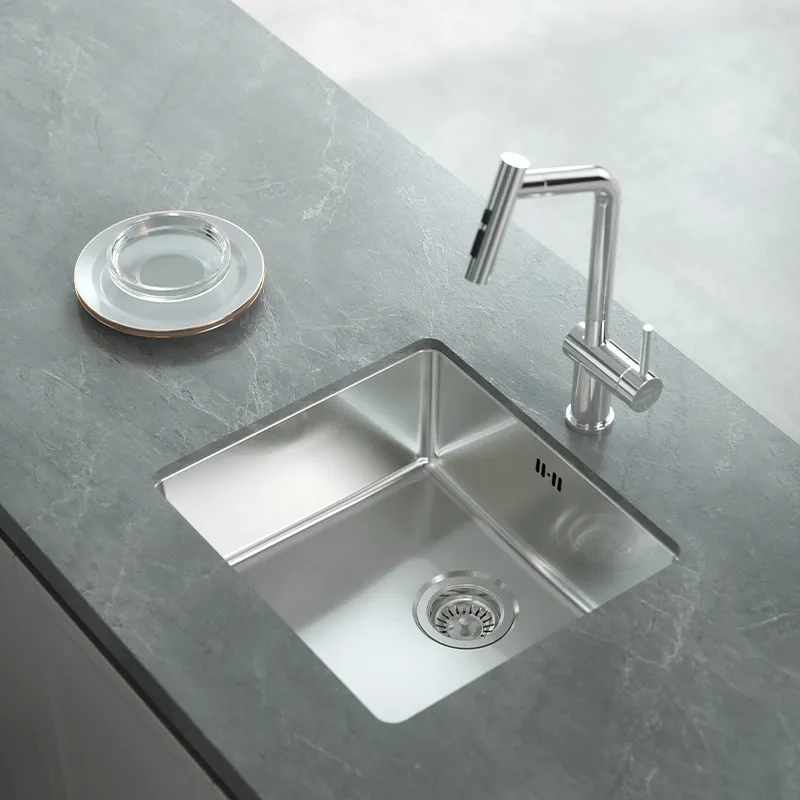
  • What can I use to clean a stainless steel kitchen sink?
    Daily Cleaning: • Rinse with water • Wipe with a soft sponge and neutral detergent • Rinse thoroughly with hot water • Dry with a microfiber cloth Deep Cleaning: • Sprinkle with baking soda • Spray with white vinegar • Let it sit and scrub • Rinse thoroughly • Dry • Lightly wipe the sink surface with a small amount of stainless steel polish
    2025-12-05
    Learn More
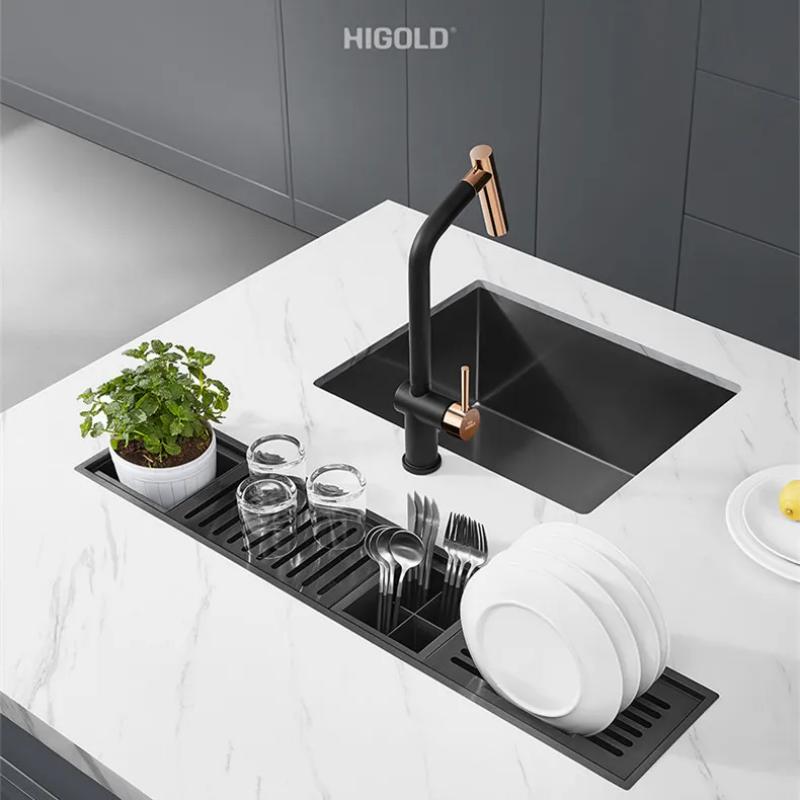
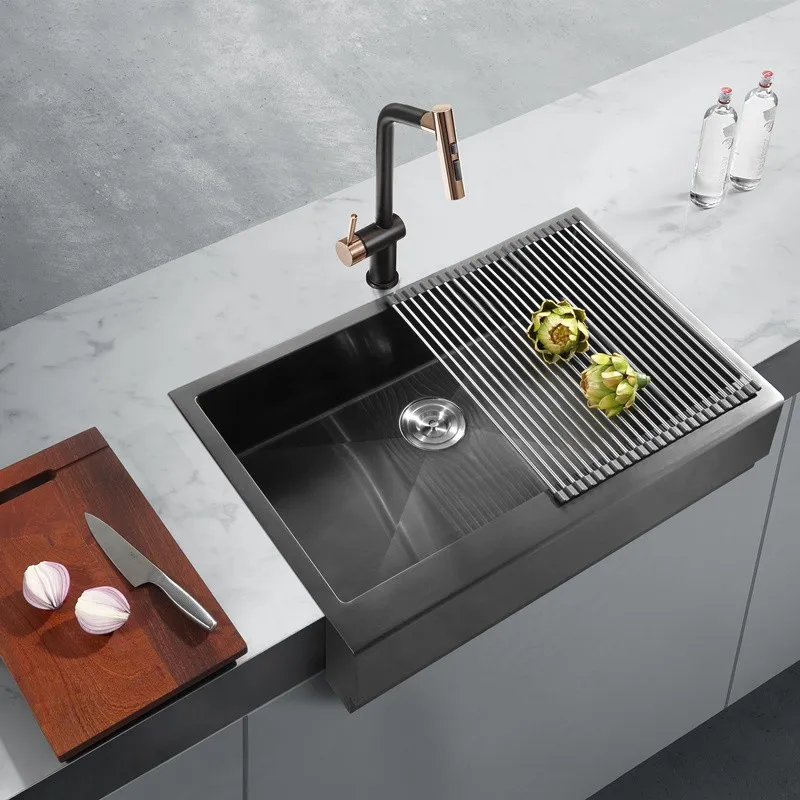
  • What is the PVD coating on 304 stainless steel sinks?
    PVD coating (Physical Vapor Depsosition) is a coating technology that deposits metal or ceramic materials onto the surface of a 304 stainless steel sink in a vacuum environment through physical vaporization, evaporation, or sputtering. This process does not involve chemical reactions, resulting in a high-purity, dense, and strongly adhesive coating.
    2025-12-04
    Learn More
  • Is PVD Coating Better for 304 Stainless Steel Sinks?
    It evaporates a metal target into ions, which are then deposited onto the surface of a 304 stainless steel sink, forming a dense, strong, and corrosion-resistant metal film. This film is very thin, yet possesses extremely high strength and adhesion, significantly enhancing the appearance and performance of the 304 stainless steel sink.
    2025-12-03
    Learn More
  • Will stainless steel undermount sinks leak?
    From the perspective of material and structure, stainless steel undermount sinks inherently have good waterproof performance. As long as the sink material is qualified and the sink body has no cracks, it will not leak due to the sink itself during daily use.
    2025-11-27
    Learn More
  • Stainless Steel Sinks vs. Composite Sinks: Which is More Scratch-Resistant?
    If you care about maintaining a perfect surface appearance, composite sinks are more scratch-resistant; If you prioritize impact resistance and long-term stable use, stainless steel sinks are more durable.
    2025-11-25
    Learn More
  • Are scratches on stainless steel kitchen sinks permanent?
    Minor Scratches are Not Permanent Most of the fine scratches seen on stainless steel kitchen sinks are actually minor surface wear. These scratches are typically: • Very shallow • Irregularly distributed • More noticeable when the angle of light changes • Can be faded or even disappeared with appropriate methods
    2025-11-24
    Learn More
  • Can I install a black faucet with a stainless steel sink?
    Sure! The high-hardness coating of black kitchen faucets perfectly matches the wear resistance of stainless steel sinks, preventing significant wear and tear from daily use. Furthermore, both materials are corrosion-resistant and exhibit no noticeable aging or discoloration even with prolonged exposure to water and detergents.
    2025-11-07
    Learn More
  • Handmade Stainless Steel Sink Installation: Undermount or Countertop?
    While both methods are feasible, undermount installation is more common in high-end kitchen designs. The main reasons are as follows: • Higher compatibility with craftsmanship • More sophisticated visual effect • Alignment with modern cabinet design trends
    2025-11-05
    Learn More
  • What is a Brushed Stainless Steel Sink?
    A brushed stainless steel sink refers to a kitchen sink made of stainless steel that has undergone a brushing process. Stainless steel is a material made by alloying iron with elements such as chromium and nickel, possessing excellent corrosion resistance and mechanical strength.
    2025-11-04
    Learn More
  • How often should a stainless steel kitchen sink be polished?
    —The answer is not fixed; it depends on the usage environment, cleaning habits, and material. Generally speaking, a light polish every three to six months is suitable for most households. Frequent use or harsh environments may require a shorter period, while regular maintenance can extend the period.
    2025-10-24
    Learn More

    Get the latest price? We will reply as soon as possible (within 12 hours)