

Stainless steel kitchen sinks are almost a standard feature in modern kitchens due to their corrosion resistance, ease of cleaning, and long lifespan.
Many families use the wrong tools or cleaning agents during cleaning, which not only fails to effectively remove dirt but may even damage the sink surface, causing scratches, dark lines, water stains, or even rust.
Therefore, a key question arises:
"What can I use to clean a stainless steel kitchen sink? What can't I use?"
This article will provide a comprehensive analysis from multiple perspectives, including principles, materials, chemical properties, correct methods, and incorrect practices, allowing you to thoroughly learn how to properly clean a kitchen stainless steel sink and no longer worry about damage or corrosion.
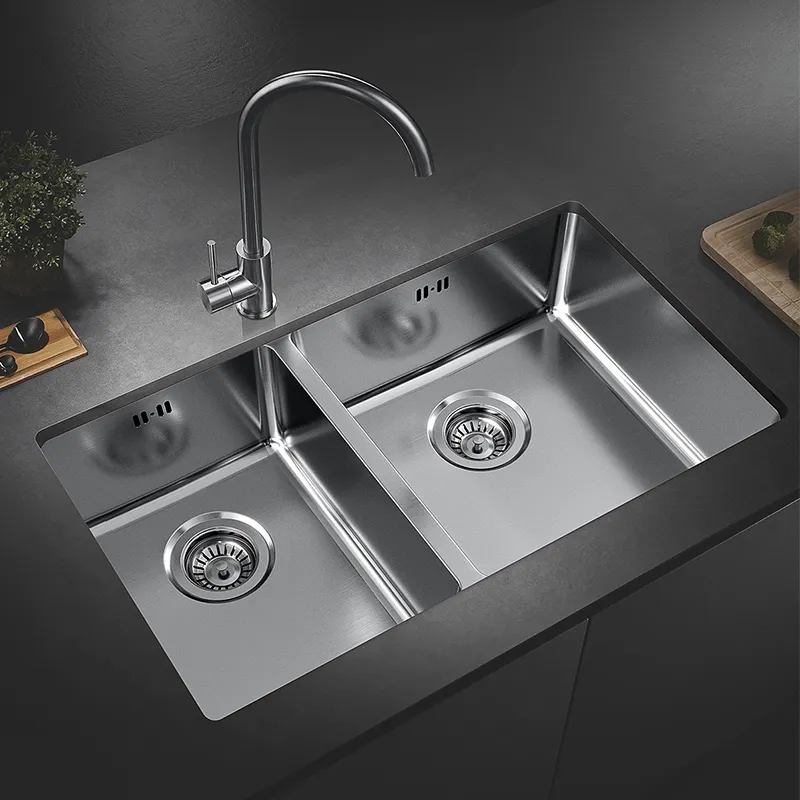
Why does a stainless steel kitchen sink need proper cleaning?
Although stainless steel has strong corrosion resistance, it is not absolutely immune to corrosion or scratches. Improper cleaning methods can lead to:
• Damage to the protective film on the stainless steel surface
• Scratches and dullness
• Corrosion spots and localized rust
• Buildup of limescale and grease
• Making the sink dirtier with each cleaning
To maintain the shine and lifespan of your stainless steel kitchen sink, choosing the right cleaning products and methods is crucial.
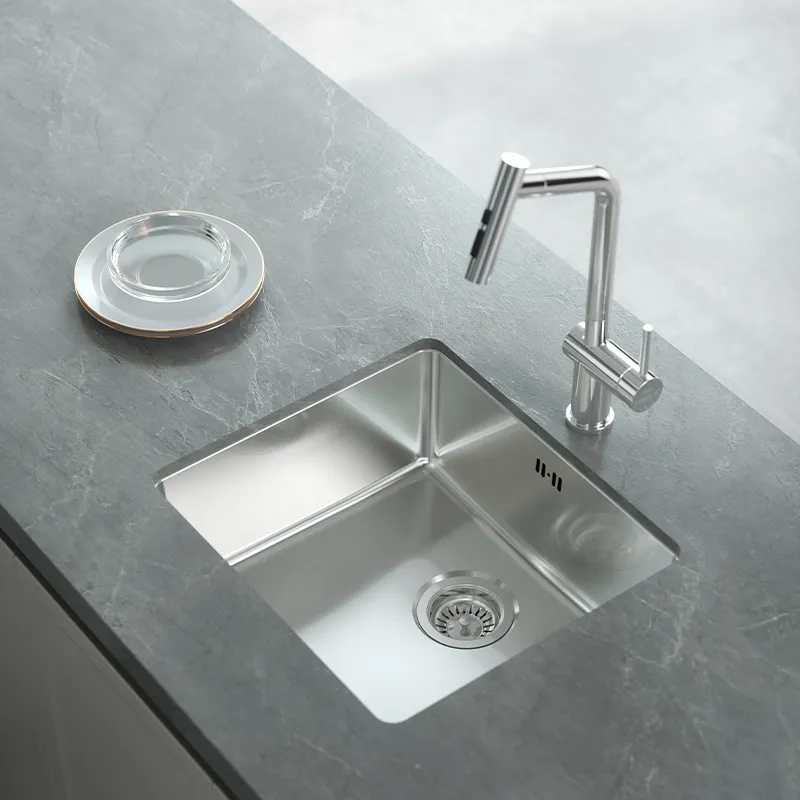
What can I use to clean my stainless steel kitchen sink?
This is the most critical part of the overall cleaning process. This section provides a comprehensive overview of materials, cleaners, and tools safe for use with stainless steel kitchen sinks.
1. Mild, neutral cleaners are the safest choice
Suitable cleaners include:
• Neutral dishwashing liquid (will not corrode stainless steel)
• Mild kitchen cleaners
• Bathroom cleaners without abrasive particles
The method is simple:
• Apply cleaner to a sponge
• Gently press and swirl to scrub
• Rinse and dry
This method is suitable for daily cleaning and prevents the long-term accumulation of grease, limescale, and food residue.
2. Baking Soda (Sodium Bicarbonate)
Baking soda is one of the safest and most commonly used materials for cleaning kitchen stainless steel sinks.
Advantages:
• Mild abrasive properties
• Won't scratch the sink
• Strong degreasing ability
• Removes odors
How to use:
• Sprinkle baking soda evenly on the sink surface
• Gently wipe with a damp sponge
• Rinse and dry
This method is particularly effective for stubborn grease and light limescale.
3. White Vinegar (for limescale)
White vinegar is a weak acid that can dissolve calcium carbonate limescale without damaging stainless steel.
How to use:
• Spray white vinegar on the limescale deposits
• Let it sit for 5–10 minutes
• Rinse and dry
Effectively removes limescale around faucets and drains.
4. Non-Abrasive Cleaning Sponge
Stainless steel kitchen sink surfaces are extremely susceptible to scratches, therefore, you must use:
• A soft sponge
• A non-abrasive cloth
• A microfiber cloth
Avoid using any abrasive tools.
5. Olive Oil or Stainless Steel Conditioner (for shine maintenance)
After cleaning your kitchen stainless steel sink, apply a thin layer of oil to:
• Prevent water stains
• Reduce fingerprints
• Increase shine
• Protect the surface oxide layer
Easy to use:
• Apply a few drops of oil to a soft cloth
• Gently wipe in the direction of the grain
This is a method long used in many professional kitchens.
6. Hot Water Rinse (for enhanced cleaning)
Hot water effectively breaks down grease; mixing it with a neutral detergent yields even better results.
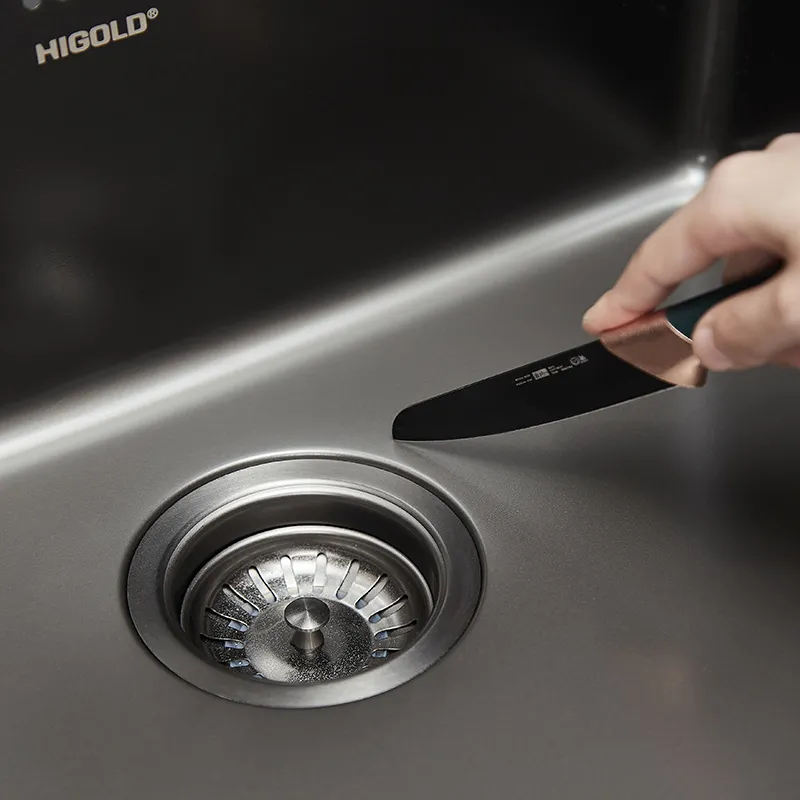
Which cleaning products are suitable for heavy-duty stains?
Some stains require a slightly more intensive cleaning, including:
• Thick grease
• Indentation stains
• Food coloring
• Burn marks or metal scratches
The following methods can be used:
• Powerful stain remover: White vinegar + baking soda
Steps:
• Sprinkle baking soda
• Spray white vinegar and let it foam naturally
• Let it sit for 10 minutes
• Wipe with a soft cloth
• Rinse with water and dry
This method gently breaks down stains without damaging the stainless steel kitchen sink.
• Citrate acid cleaner (weakly acidic, safe)
Suitable for removing stubborn limescale on oxide films.
Note:
• Keep the mixing ratio within the mild range
• Rinse thoroughly after use
Which tools are absolutely safe for stainless steel kitchen sinks?
Here is a list of safe cleaning tools:
• Microfiber cloth
• Soft sponge
• Handwashing dishcloth
• Soft-bristled brush (for drain rims)
• Spray bottle (for spraying vinegar water)
Common characteristics of these tools:
• Will not scratch stainless steel
• Works with neutral detergents
• Cleans evenly
Using these tools will not damage the protective film on the surface of your stainless steel kitchen sink.
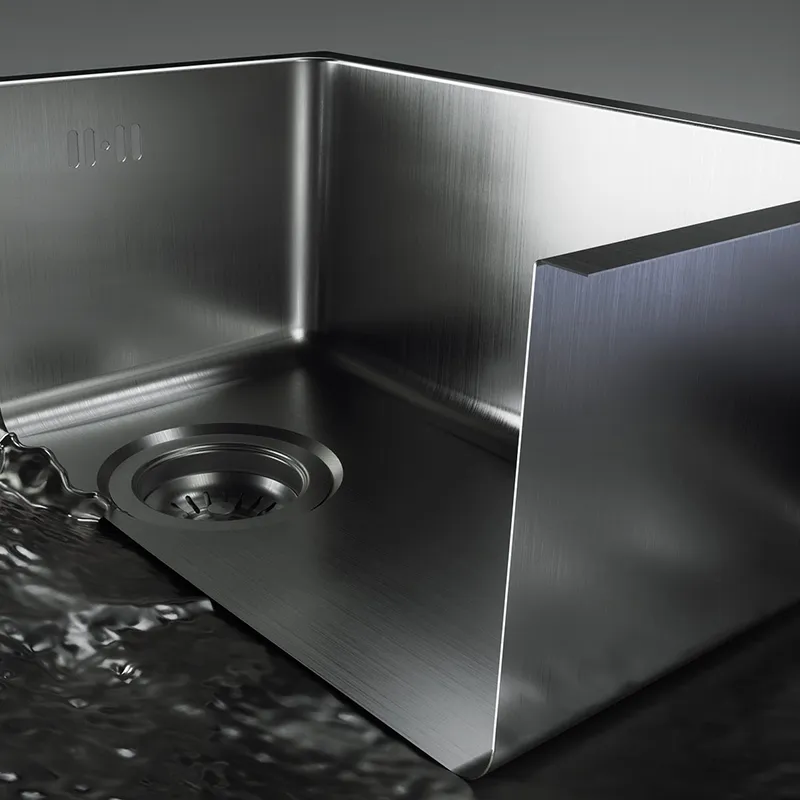
Which cleaning products should not be used to clean a stainless steel kitchen sink?
To keep your kitchen stainless steel sink in optimal condition, this section explains which cleaning agents and tools should absolutely not be used.
This is where many households make the most mistakes.
1. Steel wool or metal brushes (Strictly prohibited)
This is the most common and serious mistake.
Reasons:
• Will leave permanent scratches on the stainless steel surface
• Scratched areas are more prone to grime buildup
• Scratches will damage the surface passivation layer, leading to corrosion
A single use of steel wool can permanently damage the sink's shine.
2. Chlorine-based cleaners (such as bleach)
Chlorides can damage the protective layer of stainless steel, leading to:
• Pitting corrosion
• Rust spots
• Surface dulling
Even diluted, it is not recommended for use.
3. Strong acid or alkaline cleaners (including drain cleaners)
Strong acids (such as hydrochloric acid) or strong alkalis (sodium hydroxide) will:
• Corrode stainless steel
• Damage the oxide film
• Cause the sink to become dull over time
These chemicals are only suitable for pipes, not kitchen sinks.
4. Cleaners containing strong abrasive particles
For example:
• Industrial scrubs
• Bathroom abrasives
• Metal cleaning powders with abrasive particles
These will damage the surface texture of the sink.
5. Abrasive cloths (such as the hard side of a scouring pad)
Abrasive fiber cloths will create noticeable fine lines.
6. Using granules like salt and coarse sugar directly for grinding
Solid particles will cause scratches; even food-grade granules are unsuitable for metal surfaces.
Why are stainless steel kitchen sinks damaged by improper cleaning methods?
Stainless steel kitchen sinks have a "passivation protective film" composed of chromium oxide.
If this protective film is damaged:
• The sink surface will lose its shine
• It will be prone to corrosion
• Black spots will form
• Rust spots may even appear
Incorrect tools (steel wool), strong acids and alkalis, and chlorine-containing agents will all damage the protective film.
Furthermore, the brushed texture commonly found on kitchen stainless steel sinks is easily scratched, and once damaged, it cannot be restored to its original appearance.
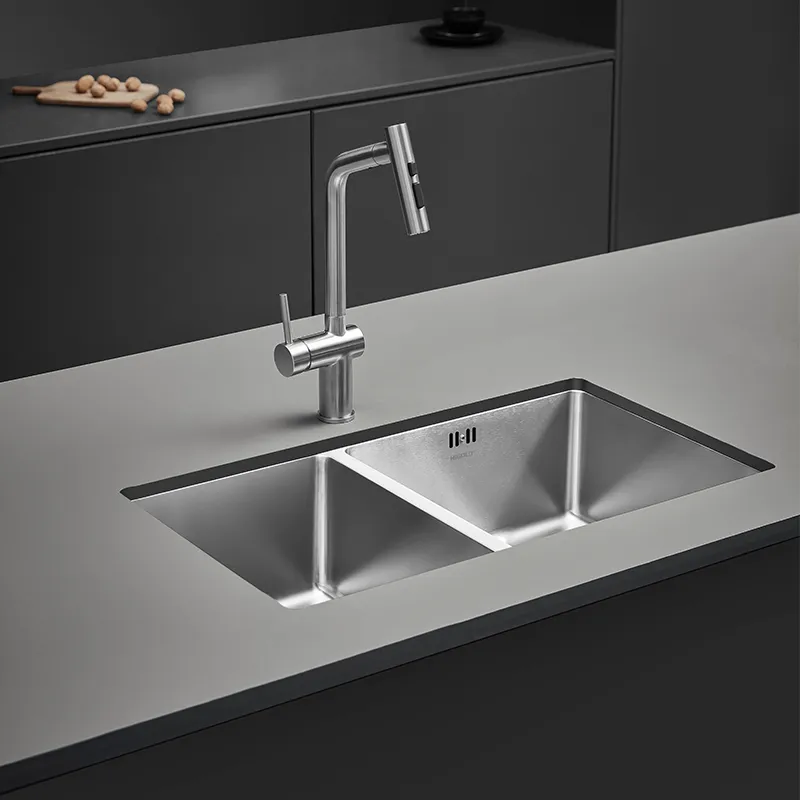
How to properly clean a stainless steel kitchen sink and keep it in optimal condition?
Here's a professional daily cleaning routine:
Daily Cleaning:
• Rinse with water
• Wipe with a soft sponge and neutral detergent
• Rinse thoroughly with hot water
• Dry with a microfiber cloth
Deep Cleaning:
• Sprinkle with baking soda
• Spray with white vinegar
• Let it sit and scrub
• Rinse thoroughly
• Dry
• Lightly wipe the sink surface with a small amount of stainless steel polish
This process will keep your stainless steel kitchen sink bright, free of water stains, odors, and oil film.
Do I need to clean my stainless steel kitchen sink every day?
It's recommended to perform a simple daily cleaning and a deep cleaning once every 1-2 weeks.
Reasons:
• Prevent limescale buildup
• Reduce bacterial growth
• Prevent grease buildup
• Maintain surface shine
The more often you clean your kitchen stainless steel sink, the easier it is to maintain its new shine.
Why Are Higold Handmade Sinks Popular Among Buyers?
Higold handmade sinks are crafted using robotic arms and automated R-angle processing to achieve refined aesthetics and structural integrity. They offer deep bowls, smooth corners, and premium PVD finishes. These sinks pair beautifully with Higold stainless steel faucets, creating a complete kitchen solution.
Distributors, builders, and e-commerce brands choose Higold because our factory offers high-quality handmade sinks with competitive China prices and dependable bulk ordering options.

