

In the kitchen renovation and home furnishing market, stainless steel sinks have long been the mainstream choice due to their corrosion resistance, durability, and ease of cleaning. With advancements in technology, more and more consumers are encountering PVD-coated stainless steel sinks.
These sinks feature high-end colors such as black gold, gunmetal gray, titanium gold, and rose gold, offering a more sophisticated appearance. However, this has also raised some questions, such as: "Are PVD-coated stainless steel sinks harmful?", "Will this coating affect health?", and "Will the color bleed into food?"
This article will delve into these questions from a professional perspective, considering materials science, technological principles, and safety, helping you determine whether a PVD-coated stainless steel sink is a worthwhile choice.
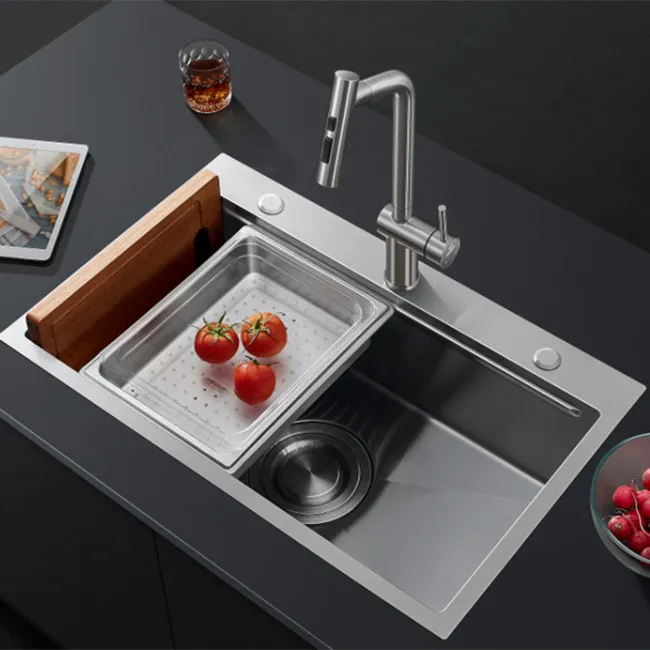
Does the PVD coating release harmful substances?
—PVD-coated stainless steel sinks are non-toxic and pose no health risks to humans.
PVD is a process that uses physical methods under high vacuum to transform a metal target into atoms or molecules, which are then deposited onto the surface of a stainless steel sink to form a dense thin film. Its key features include:
• No chemical solvents involved
• Deposits are metals or metal compounds themselves
• No toxic chemicals involved in the reaction
• Stable coating, insoluble in water, and non-volatile
Therefore, the PVD processing and the final coating itself do not release harmful volatiles, and are free of formaldehyde, VOCs, BPA, and other potentially hazardous substances.
For everyday household use, the PVD coating does not come into direct contact with food, and even if water splashes onto the sink surface, it will not cause chemical migration.
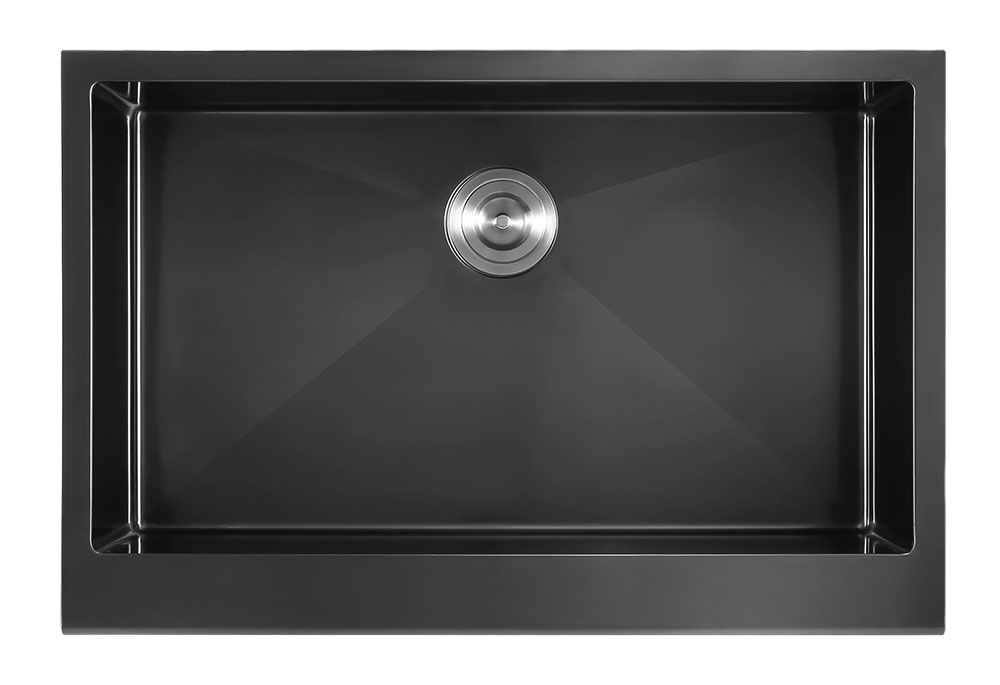
Will the PVD coating seep into food or drinking water?
Many consumers worry:
"Will the PVD coating fall into the food?"
"Will washing vegetables or cleaning cause metal leaching?"
These concerns can be addressed from two perspectives:
1. The PVD coating is a physically formed film, insoluble and non-migrating
The structure of the PVD film is a crystalline metal film, with high hardness and strong stability, and will not dissolve or peel off like paint or electroplating.
External temperature, detergents, and cleaning actions will not cause the coating to dissolve, therefore it will not enter food or drinking water.
2. The stainless steel sink body is still food-grade stainless steel
PVD simply adds a color protective layer to the surface of the stainless steel sink; the core remains food-grade 304 or 316 stainless steel. This material is widely used in:
• Kitchenware
• Food processing equipment
• Tableware
• Medical devices
Its stability is self-evident.
Therefore, even if the PVD coating develops minor scratches, it will not cause metal to detach and enter food.
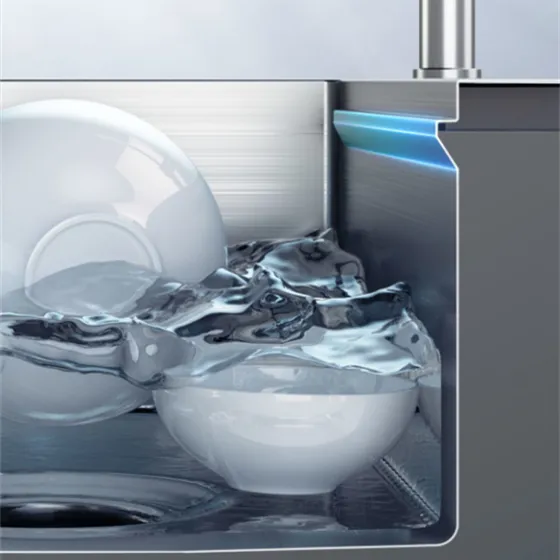
Will PVD-coated stainless steel sinks fade? Is fading harmful?
Although PVD coatings are very durable, any material can wear down under extreme friction. Consumers often ask:
"Does fading mean exposure to harmful substances?"
"Will fading affect health?"
The answer is: No.
The reasons are as follows:
1. Fading is not the removal of "chemical paint"
PVD coating is different from paint, electroplating, or chemical spraying. 1. It contains no resins, chemical dyes, or solvents, so even if wear occurs, only trace amounts of metal particles are shed. These particles are extremely small, insoluble in water, and harmless to health.
2. Color fading does not pose a chemical risk
The PVD film is deposited on the surface of the stainless steel sink through vacuum evaporation. Its composition typically includes:
• Titanium nitride (TiN)
• Zirconium nitride (ZrN)
• Chromium nitride (CrN)
These are metal film materials commonly used in medical devices or food processing equipment. They are stable, resistant to oxidation, and insoluble in water.
3. Color fading only affects appearance, not function or health
Even if the coating wears down, the stainless steel sink retains the rust-proof and corrosion-resistant properties of the stainless steel itself. There is no harm from coating peeling off.
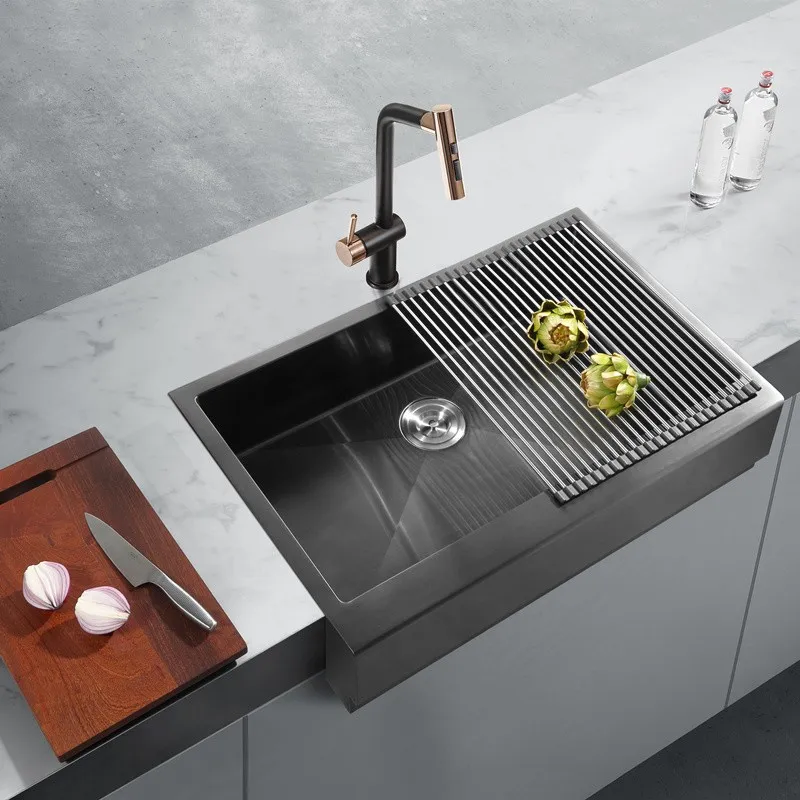
Will PVD-coated stainless steel sinks produce heavy metals?
This is a common question in searches. Many people worry that gold and black sinks contain "metallic dyes," raising concerns about heavy metals.
It's important to clarify the following:
1. PVD films do not migrate heavy metals
The metals used in PVD coatings are inherently highly stable, such as titanium, zirconium, and chromium. These materials are commonly found in implants, surgical instruments, and food contact equipment because they are safe, inert, and do not leach out.
2. The main material of stainless steel sinks is not altered by PVD coating
Food-grade stainless steel (such as 304 and 316) is certified by international standards, and its regular use does not produce migratable heavy metals. The PVD coating is merely a surface coloring and reinforcing layer; it does not participate in chemical reactions or alter the underlying structure.
Therefore:
PVD-coated sinks will not leach heavy metals that could be harmful to human health.
Are PVD-coated stainless steel sinks used in the food industry?
While stainless steel sinks in home kitchens do not need to meet food processing standards, understanding their industry applications can help us assess their safety.
In fact, PVD coating is widely used in:
• Surface strengthening of food processing equipment
• Catering knives
• Coffee machines and catering accessories
• Medical devices
• High-end tableware
These fields have extremely high requirements for material safety, especially in areas that come into contact with food and medicine.
Since these industries can safely use PVD coating materials, there is naturally no need to worry about the safety of stainless steel sinks.
Will PVD-coated stainless steel sinks affect the quality of kitchen water?
Consumers may also ask:
"Will dark-colored sinks contaminate the water?"
"Will the coating in the sink affect the taste or water quality?"
The answer is still no.
1. PVD coating is insoluble in water
Even with prolonged contact with cold or hot water, it will not dissolve or change the pH of the water.
2. Short residence time in water, no contact migration issues
The water in the sink is a flowing environment, not a long-term immersion environment. Therefore, even if it meets food contact material standards, it is far from posing a safety risk.
3. Experimental data shows no impact on drinking water quality
Numerous experiments have shown that no detectable substances are released when PVD-coated materials are immersed in water, salt water, and fruit acid solutions. This is why they can be used in the food and medical industries.
Will PVD-coated stainless steel sinks affect the rust resistance of stainless steel itself?
A common misconception is:
"Won't the coating on the sink actually affect the natural rust resistance of the stainless steel?"
The truth is quite the opposite:
1. The PVD film itself has high hardness and high corrosion resistance
This film has a stronger shielding effect against water, oxygen, oil, and salt, helping the stainless steel sink better resist daily corrosion.
2. The passivation layer of stainless steel still functions under the PVD layer
Stainless steel itself has a passivation protective film; even with a PVD layer on the surface, its internal passivation structure remains intact.
Therefore:
The PVD coating further enhances the corrosion resistance and scratch resistance of stainless steel sinks, rather than weakening them.
How to avoid scratches on PVD-coated stainless steel sinks? Will it affect health?
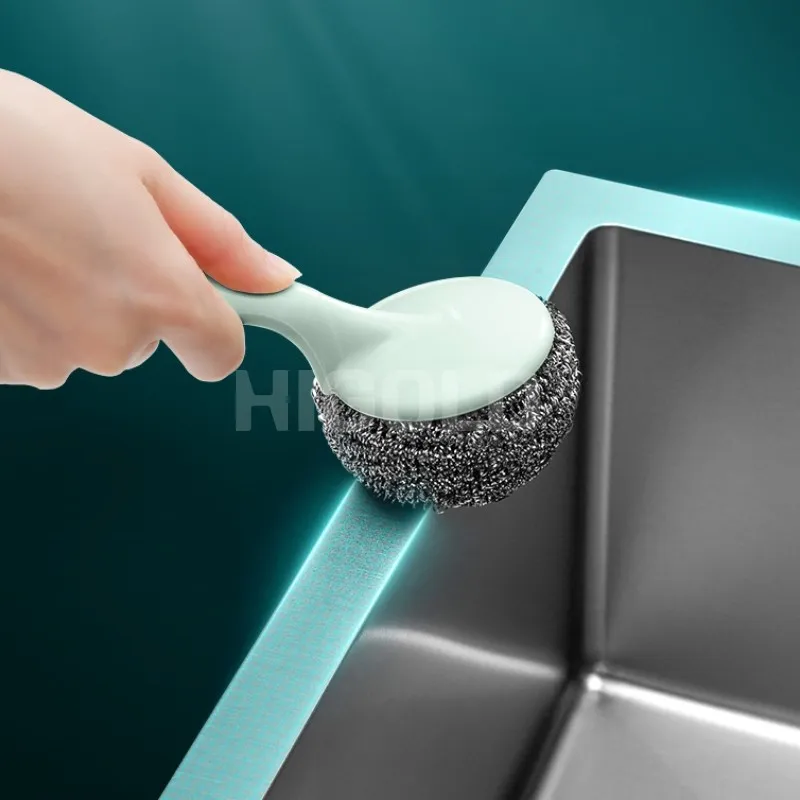
Although the PVD layer is very hard, it is not "scratch-proof." For example, using steel wool or vigorous rubbing may cause scratches on the surface.
However, it is important to clarify:
• Scratches will not release harmful substances.
• Scratches will not change the food-grade safety of the sink.
• Scratches will not allow chemical solutions to enter the PVD layer and create a hazard.
• Scratches will not affect the lifespan of the stainless steel sink itself.
Scratches only affect the appearance, not its function or health.
To reduce scratches, it is recommended to:
• Use a soft sponge or neutral detergent.
• Avoid sandpaper and metal brushes.
• Dry thoroughly after cleaning to prevent limescale buildup.
There is absolutely no need to worry for ordinary household use.
Are PVD-coated stainless steel sinks really safe?
PVD-coated stainless steel sinks are non-toxic, harmless, and safe.
Its advantages include:
• Free from chemical solvents or harmful coatings
• No toxic volatile substances produced
• Does not affect food safety
• Does not dissolve substances in water
• High stability, no heavy metal migration
• Enhanced wear and corrosion resistance
• Does not affect the hygiene and strength of the stainless steel body
For consumers, if you prefer a more aesthetically pleasing and durable kitchen environment, a PVD-coated stainless steel sink is a perfectly safe choice.
How does Higold guarantee consistent product quality?
Every Higold sink undergoes strict inspection before shipping, including welding strength tests, coating adhesion checks, and durability assessments. Our advanced factory automation ensures minimal defects and consistent output. Buyers purchasing wholesale or ODM products benefit from guaranteed high quality, competitive pricing, and reliable long-term supply from a leading manufacturer in China.

