

A quartz sink is a premium choice for both residential kitchens and commercial establishments. Unlike stainless steel or ceramic, a quartz sink offers exceptional durability, non-porous surfaces, and aesthetic versatility. However, even the toughest quartz sink requires proper care to maintain its lustre. Whether you purchase from leading commercial sink suppliers or local dealers, understanding the nuances of quartz sink maintenance will extend its lifespan. In this guide, we will cover daily cleaning, stain prevention, scratch avoidance, and thermal shock protection—all tailored for your valuable quartz sink. Remember, the best commercial sink suppliers always recommend a proactive maintenance routine, because a well-maintained quartz sink not only looks stunning but also retains its functionality for decades. Let’s dive into the essential tips that every quartz sink owner should know, and why commercial sink suppliers emphasize these practices for heavy-use environments.
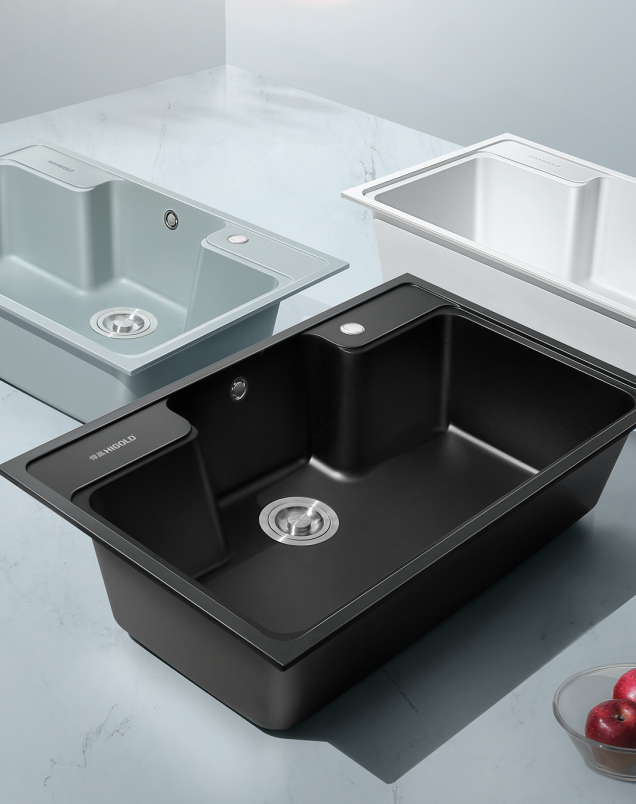
Daily Cleaning Routine for Your Quartz Sink
The simplest way to keep your quartz sink pristine is a daily rinse with warm water and a soft sponge. After each use, remove food particles and grease with mild dish soap. Avoid abrasive pads or steel wool, as they can dull the resin binder in your quartz sink. Commercial sink suppliers often note that hard water stains and soap scum are the most common complaints; to combat this, wipe your quartz sink dry with a microfiber cloth after cleaning. This prevents mineral deposits from forming. For a deeper clean once a week, use a quartz-safe cleaner or a mixture of white vinegar and water (1:4 ratio) – but never leave vinegar soaking, as acidic solutions can weaken the surface over time. Always test any new cleaner on a small area first. Remember, a quartz sink is non-porous, so it resists bacterial growth, but regular cleaning ensures it stays hygienic. Many commercial sink suppliers provide proprietary cleaning kits specifically formulated for quartz sink surfaces, which are worth investing in.
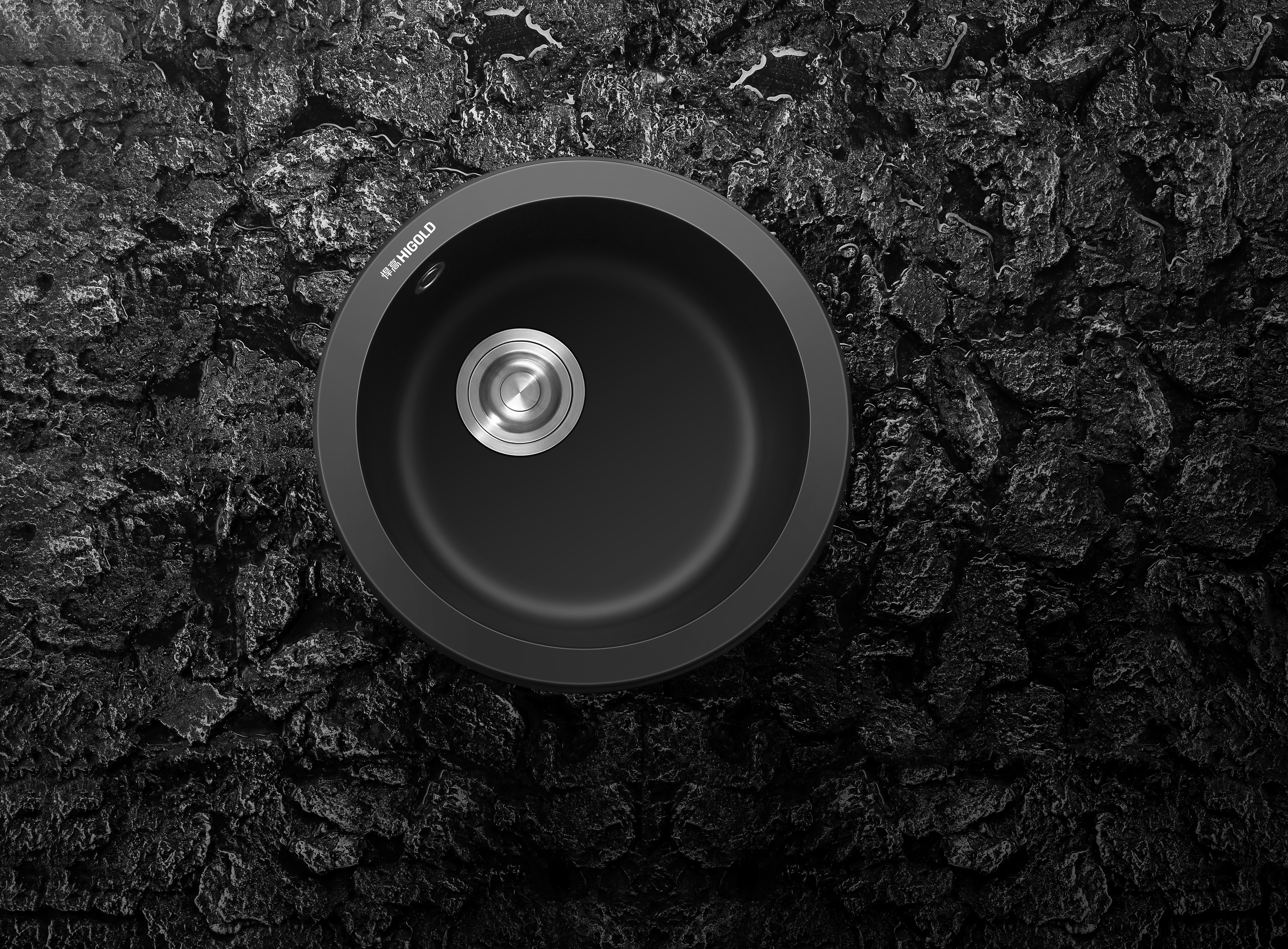
Preventing Scratches and Chips
Although a quartz sink is highly scratch-resistant due to its engineered stone composition, it is not indestructible. Sharp knives, heavy cast-iron pans, or ceramic dishes can leave micro-scratches or even chips if dropped. To protect your quartz sink, always use a sink grid or rubber mat at the bottom. This simple accessory, often recommended by commercial sink suppliers, absorbs impact and prevents direct contact with hard objects. When washing large pots, lift them carefully rather than dragging across the quartz sink surface. For minor scratches, you can buff them out with a fine-grit wet sandpaper (3000 grit) and a polishing compound designed for quartz; however, consult your commercial sink suppliers first, as improper buffing may void the warranty. Also, avoid using your quartz sink as a cutting board—always use a separate chopping block. Commercial sink suppliers consistently highlight that edge chips are the most frequent damage in busy kitchens, so install edge guards if your quartz sink has sharp corners. With these precautions, your quartz sink will remain flawless for years.
Heat Resistance and Thermal Shock
A quartz sink can withstand moderate heat, but sudden temperature changes can cause thermal shock, leading to cracks or discoloration. Never pour boiling water directly into your quartz sink without running cold water simultaneously. Similarly, do not place hot cookware straight from the oven into the quartz sink basin; always use trivets or cooling racks. Commercial sink suppliers often receive warranty claims related to thermal damage, and they stress that quartz sink surfaces contain polymer resins that expand and contract with temperature. To be safe, allow hot items to cool slightly before placing them in the sink. If you need to drain boiling pasta water, run the cold tap while pouring to moderate the temperature. Your quartz sink will thank you. Many commercial sink suppliers also offer heat-resistant mats designed to fit inside the quartz sink, providing an extra layer of protection. Remember, a quartz sink is not a fireproof surface, so keep open flames away.
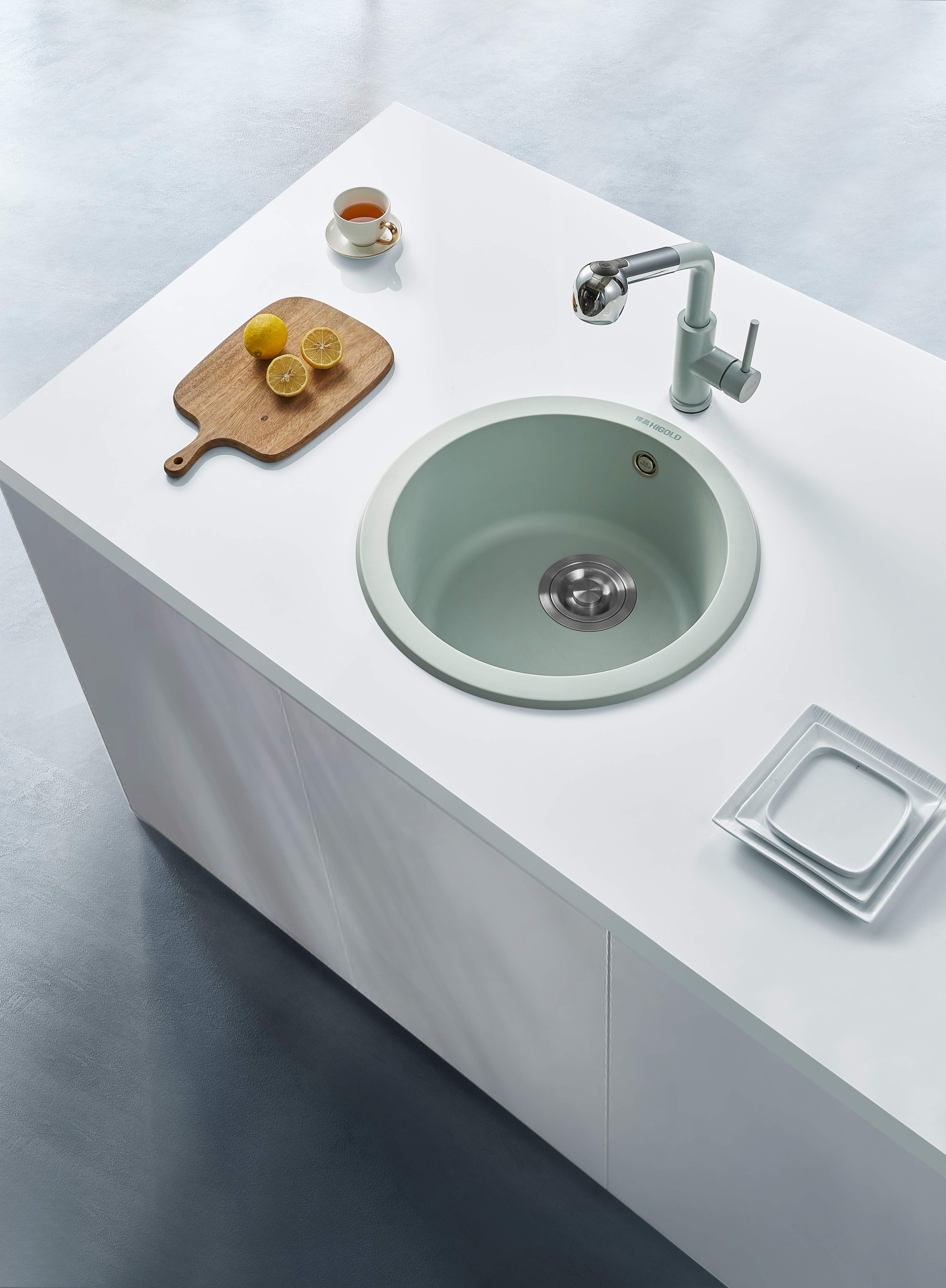
Chemical Care and Stain Removal
One of the greatest advantages of a quartz sink is its non-porous nature, which makes it stain-resistant against coffee, tea, wine, and oil. However, prolonged exposure to harsh chemicals like bleach, oven cleaners, or paint thinners can damage the glossy finish. Commercial sink suppliers advise using pH-neutral cleaners only. For stubborn stains like rust rings or hard water scale, make a paste of baking soda and water, apply it to the stain, and let it sit for 10–15 minutes before gently scrubbing with a soft nylon brush. Never use abrasive powders or acidic descalers, as they etch the quartz sink surface. If you accidentally spill a strong chemical, rinse immediately with plenty of water and wipe dry. For organic stains (e.g., beetroot juice or curry), a diluted hydrogen peroxide solution can be used sparingly—but always rinse thoroughly. Commercial sink suppliers also recommend periodic deep-cleaning with a stone-safe polish to restore shine. Remember, the key to a spotless quartz sink is immediate action: the longer a spill sits, the harder it becomes to remove, even though the quartz sink is non-absorbent.
Avoiding Impact and Heavy Loads
While a quartz sink is engineered for strength, excessive impact from heavy objects can cause fractures, especially near the drain or corners. Commercial sink suppliers often remind users not to drop heavy meat tenderizers, cast-iron skillets, or cans into the quartz sink. If you have a garbage disposal unit, ensure that large bones or fibrous waste are not forced down, as vibrations can stress the quartz sink’s mounting. Also, avoid standing or kneeling inside the quartz sink basin, as concentrated weight may crack the stone. For commercial kitchens, where the sink sees constant heavy use, commercial sink suppliers recommend reinforced under-mount brackets and extra support legs. When installing your quartz sink, always follow the manufacturer’s guidelines on countertop support, because an unsupported overhang can cause flexing and eventual cracking. Treat your quartz sink with the same care as a natural stone countertop—gentle handling ensures longevity.
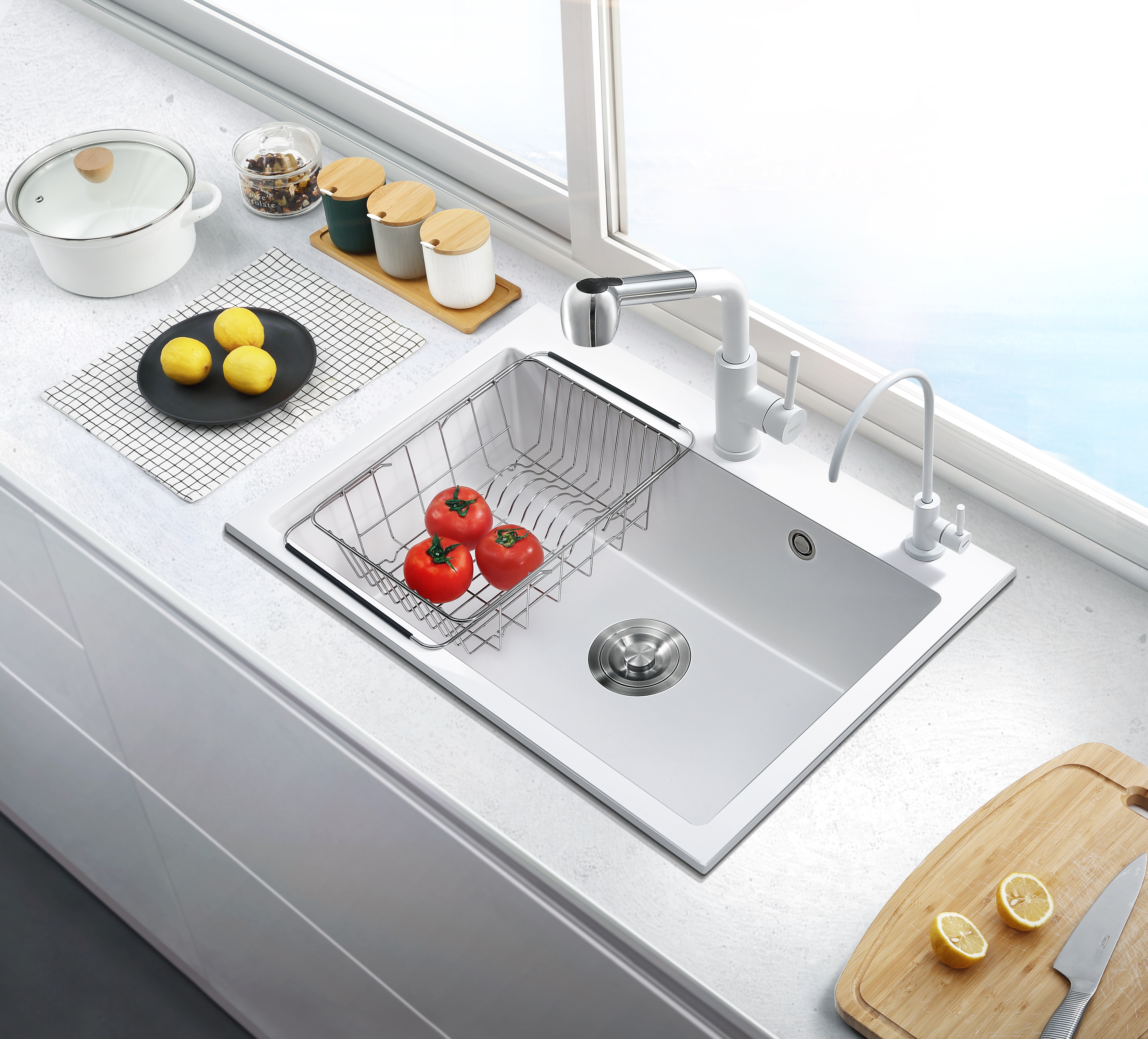
Routine Deep Cleaning and Polishing
Every month, give your quartz sink a thorough deep clean to remove any microscopic residues and restore its original sheen. Start by rinsing the quartz sink with warm water, then apply a quartz-specific cleaner or a mild non-abrasive cream cleanser. Use a soft sponge to scrub the entire basin, including corners and the drain area. Pay special attention to the silicone sealant around the rim, as it can harbour mildew if not dried regularly. Commercial sink suppliers often suggest using a toothbrush to clean the edges and the drain strainer. After cleaning, rinse thoroughly and dry with a lint-free cloth. For extra shine, apply a thin layer of quartz polish or a few drops of mineral oil; buff with a soft cloth until the quartz sink glows. However, avoid wax-based polishes, as they can build up a dull film. Many commercial sink suppliers sell their own polish kits that are compatible with the quartz sink’s resin formulation. Regular polishing not only enhances aesthetics but also adds a protective layer against future stains and scratches.
Dealing with Hard Water and Mineral Deposits
Hard water is the nemesis of any sink, and the quartz sink is no exception. Over time, calcium and magnesium deposits can leave a white, cloudy film on the surface. To prevent this, dry your quartz sink after every use—this is the single most effective habit. If mineral deposits have already formed, soak a cloth in a 50/50 solution of white vinegar and water, place it over the affected area for 5–10 minutes (never longer), then scrub gently with a non-abrasive pad. Rinse abundantly and dry. Commercial sink suppliers warn against using vinegar or lemon juice frequently, as the acid can slowly degrade the resin. Instead, use a dedicated hard water remover that is safe for quartz. You can also install a water softener if your home has extremely hard water; this protects not only your quartz sink but all plumbing fixtures. Many commercial sink suppliers offer water conditioners as part of their accessory line, ensuring your quartz sink remains crystal-clear.
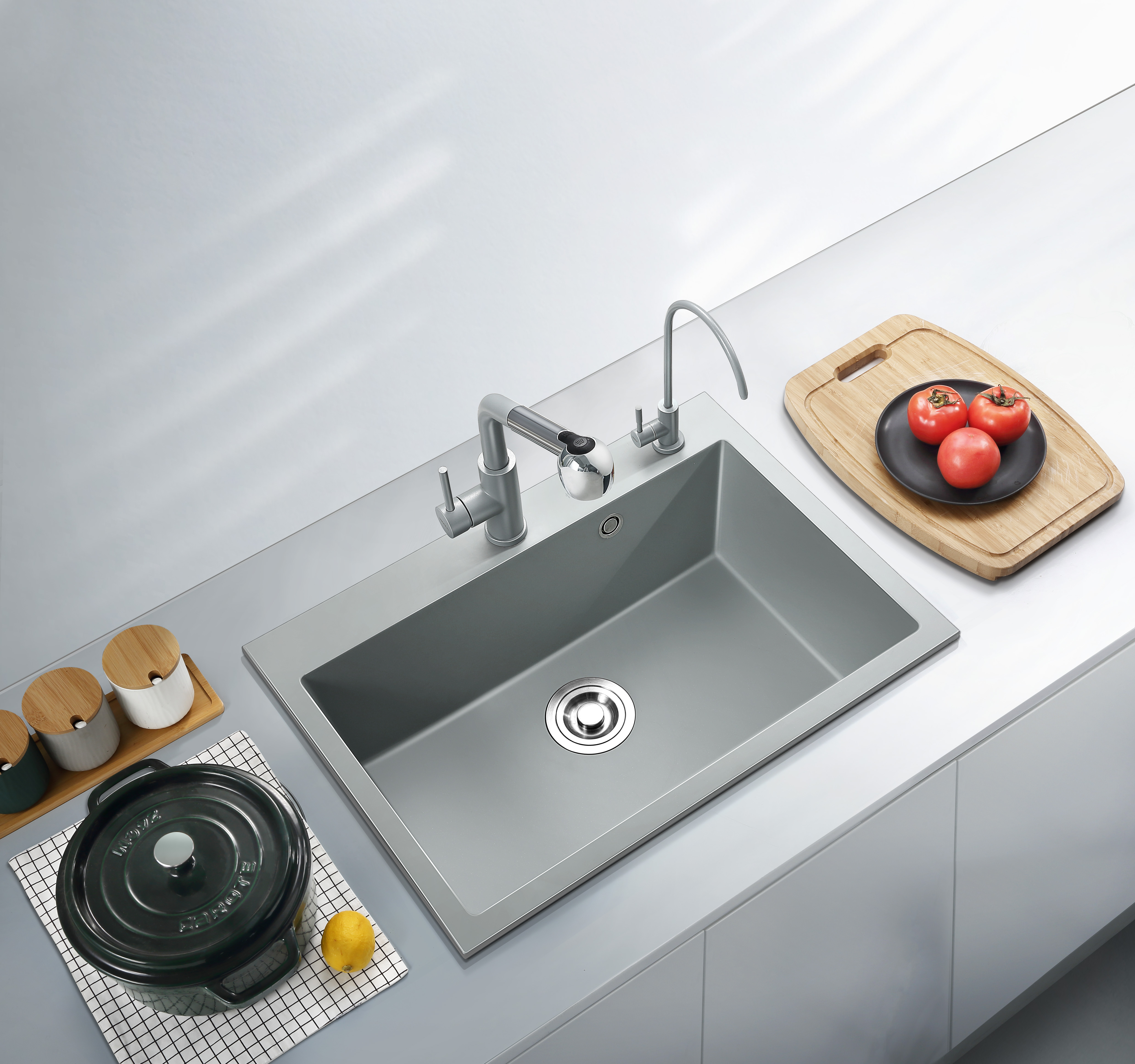
Commercial Use: Extra Demands on Your Quartz Sink
In commercial kitchens, restaurants, and catering facilities, a quartz sink faces far heavier usage than at home. Multiple staff members, constant washing, hot pots, and harsh cleaning agents are daily realities. Therefore, commercial sink suppliers design quartz sink models with thicker gauge material (up to 30% thicker) and reinforced corners. For commercial settings, maintenance must be more rigorous: implement a daily log of cleaning, designate specific non-abrasive tools, and train staff never to leave acidic foods or bleach in the quartz sink overnight. Commercial sink suppliers also advise scheduling professional resealing (though quartz is non-porous, the resin can degrade over time) every 2–3 years. Additionally, install strainers to catch debris and reduce the risk of scratches from grit. In high-volume operations, consider having two quartz sink basins to alternate usage, allowing each to cool and dry properly. Commercial sink suppliers often provide extended warranties if you follow their maintenance protocols—so always register your quartz sink with them. Remember, a quartz sink in a commercial environment is an investment; proper care maximizes return on investment.
What Not to Do: Common Mistakes
To wrap up, let’s list the cardinal sins that can ruin your quartz sink. Do not use bleach-based or ammonia-based cleaners—they can discolour the resin. Never use abrasive scouring powders, steel wool, or pumice stones; they will scratch the quartz sink permanently. Avoid leaving wet sponges or soap dishes on the quartz sink surface for long periods, as they can leave water rings. Do not pour boiling oil or grease down the quartz sink—grease solidifies and is hard to remove, plus it can stain. Never use a razor blade or scraper to remove dried food; instead, soak it with warm water. Commercial sink suppliers report that many homeowners accidentally void warranties by using improper sealants or caulks on the rim—always use silicone specifically approved for quartz sink. Also, don’t use the quartz sink as a receptacle for paint, dye, or chemical solvents. If you make a mistake, act quickly: rinse, blot, and consult your commercial sink suppliers for remediation advice. A quartz sink is resilient, but repeated abuse will eventually show.
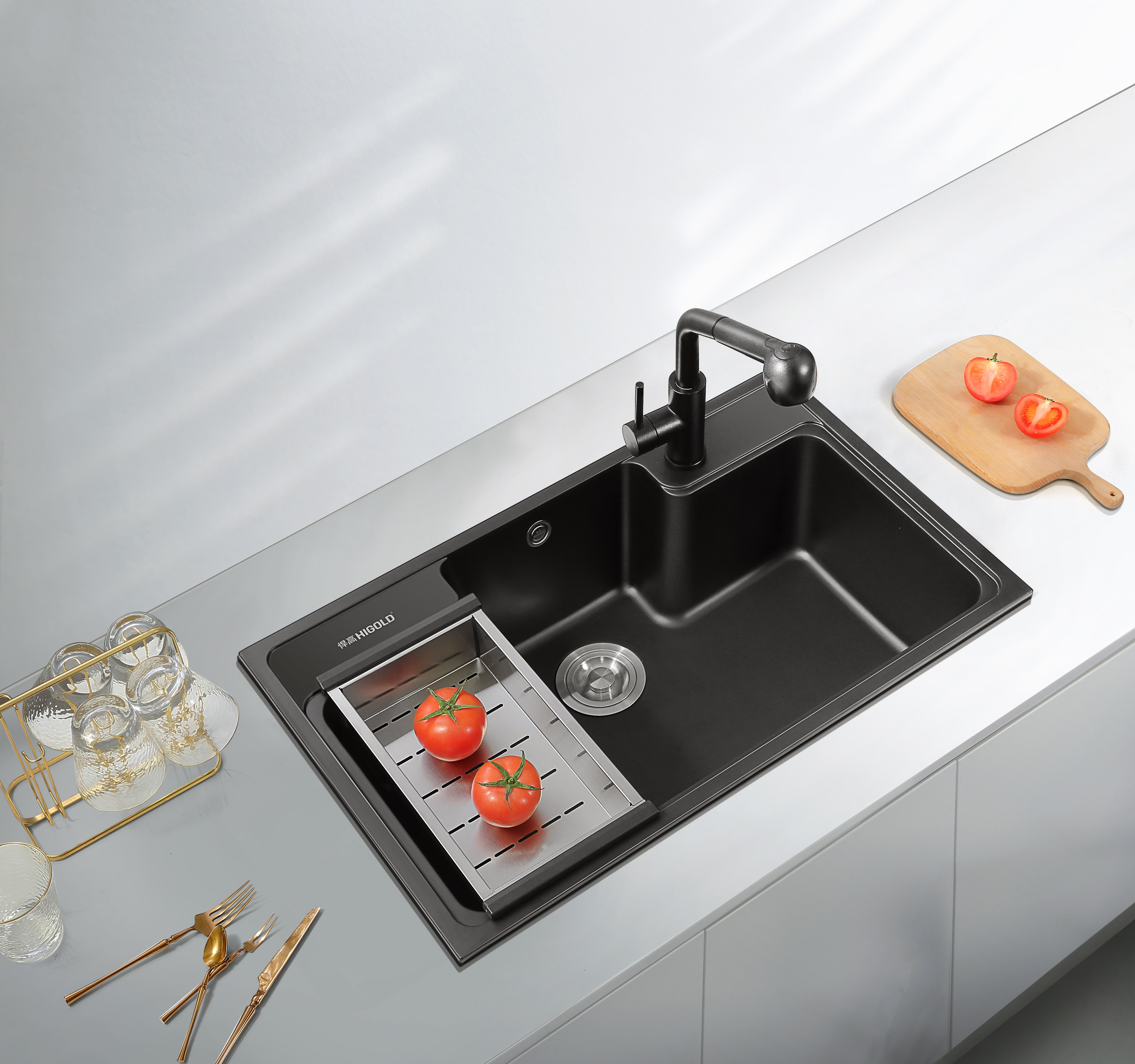
Conclusion: Long-Term Care Philosophy
Caring for a quartz sink is not complicated—it is about consistent, gentle habits. From daily wiping to monthly polishing, every step contributes to the sink’s longevity. Whether you are a home cook or a professional chef, the principles remain the same: keep it clean, avoid extremes, and address spills immediately. Partnering with reliable commercial sink suppliers gives you access to expert advice and quality products tailored to your quartz sink. Remember to bookmark this guide and share it with family or staff, because a collective effort ensures that your quartz sink remains the centrepiece of your kitchen for decades. With proper maintenance, your quartz sink will resist stains, scratches, and thermal shocks, maintaining its factory-fresh appearance. Commercial sink suppliers often say, “A quartz sink is only as good as the care it receives.” So, treat your quartz sink with respect, and it will reward you with lasting beauty and functionality. Now, go ahead and give your quartz sink a gentle clean—it deserves the best!

