

1. The Quiet Revolution Beneath the Tap
Every day, billions of people around the world turn on a tap, rinse a plate, or wash a vegetable. Few ever think about the kitchen sink they are using. Yet this simple basin is one of the most quietly revolutionary objects in human history. Before the widespread adoption of the modern stainless steel kitchen sink, homes relied on wooden buckets, stone basins, or ceramic troughs — surfaces that easily trapped bacteria, absorbed odors, and cracked over time.
The turning point came in the early 20th century, when stainless steel — an alloy of iron, chromium, and nickel — was first commercialized. Its non-porous surface and exceptional resistance to corrosion made it an ideal material for food handling and medical instruments. By the 1930s, architects and industrial designers began to see its potential for the domestic kitchen. The stainless steel sink was born not as a luxury, but as a hygiene imperative.
2. The Science of a Clean Surface
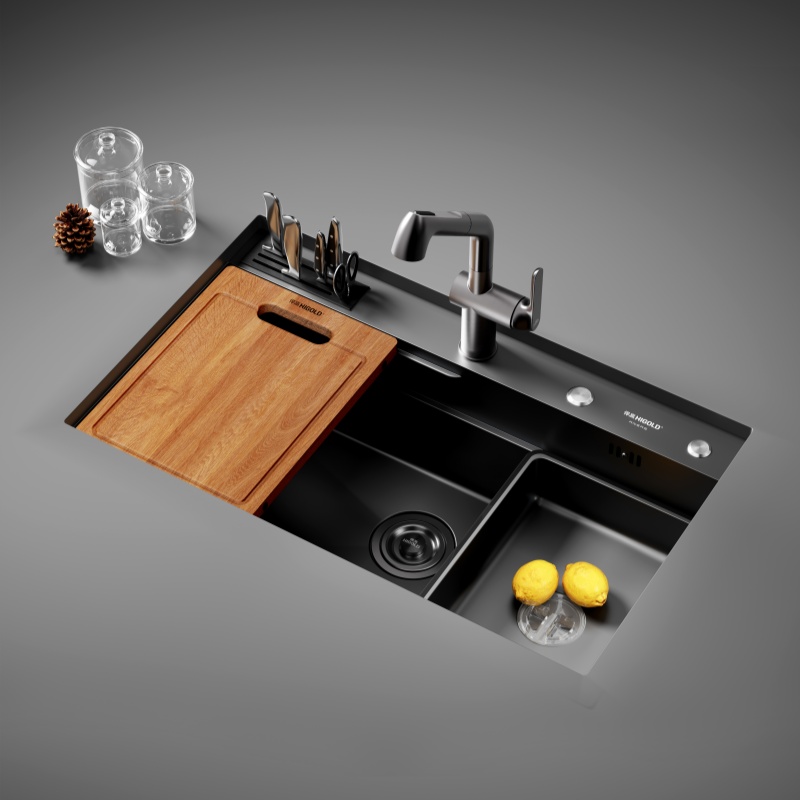
Why is a stainless steel kitchen sink inherently more hygienic than almost any alternative? The answer lies in metallurgy. Chromium in the alloy reacts with oxygen to form a self-repairing passive layer of chromium oxide, just a few atoms thick. This layer prevents rust, but more importantly, it makes the surface chemically inert and unable to support bacterial biofilm formation. Studies have shown that polished stainless steel surfaces reduce bacterial adhesion by over 90% compared to scratched plastic or sealed stone.
This property turned the kitchen sink from a potential source of cross-contamination into a frontline defense in home food safety. In hospitals, laboratories, and commercial kitchens, the kitchen stainless steel sink became mandatory. Over time, domestic kitchens followed the same logic — not because of government regulations, but because the material proved itself through decades of daily use.
3. The Circular Economy of Nickel and Chromium
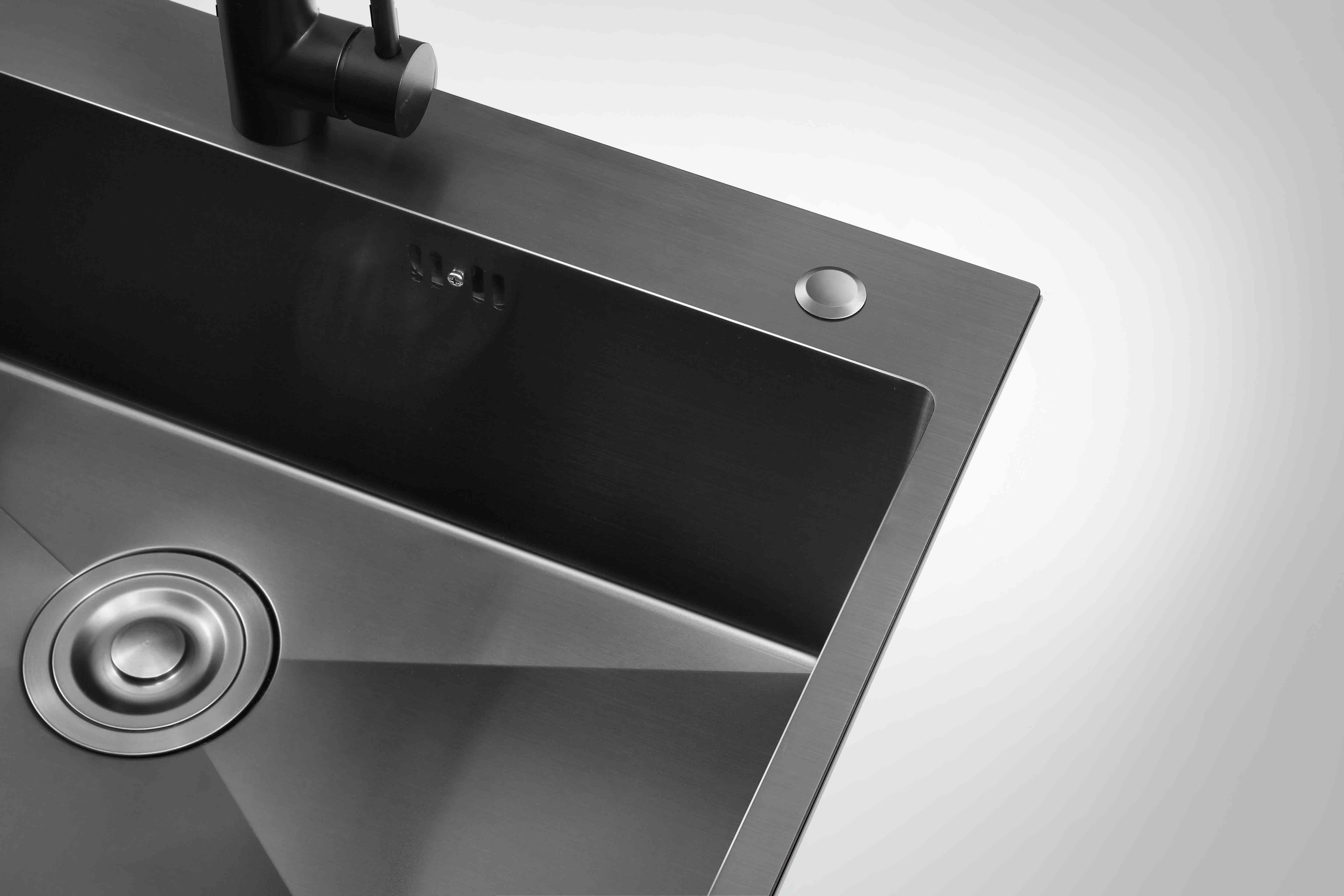
One of the least known facts about stainless steel sinks is their relationship with the global circular economy. Stainless steel is 100% recyclable, and the vast majority of new stainless steel produced today contains up to 85% recycled content. When a stainless steel kitchen sink is removed during a renovation, it is almost never landfilled. Instead, it enters a sophisticated scrap metal supply chain, melted down in electric arc furnaces, and reborn as a new sink, a railway line, or a bridge cable.
This matters enormously for sustainability. The nickel and chromium in stainless steel are finite resources, but their value is so high that recycling rates exceed those of paper or glass. A kitchen stainless steel sink installed today might have previously been part of a chemical plant in the 1980s, or a hospital countertop from the 1990s. From a material science perspective, the stainless steel sink is not a product — it is a temporary form of a permanent resource.
4. Acoustic Engineering: The Sound of Silence
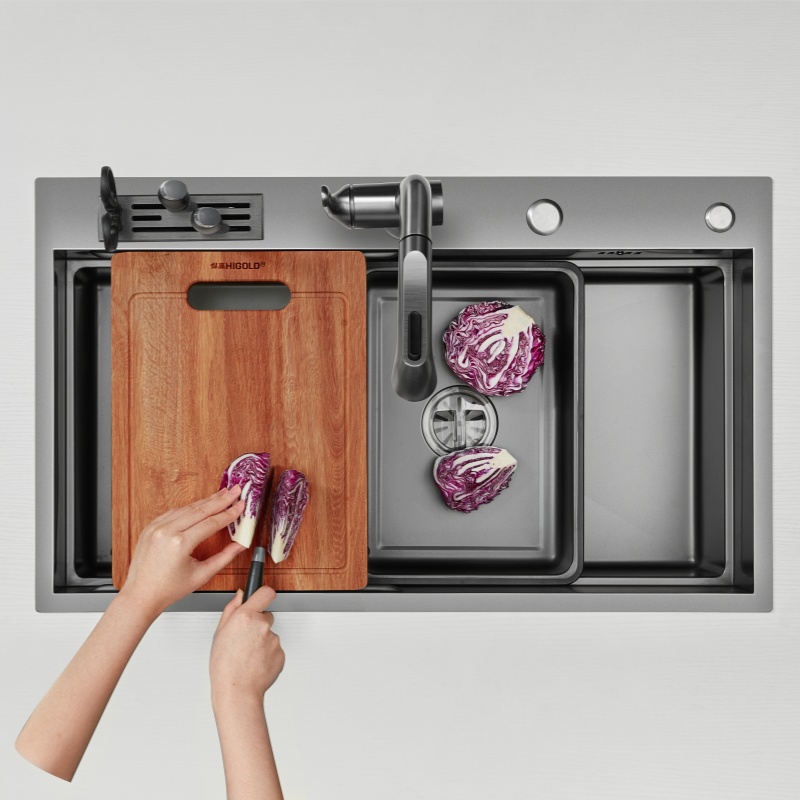
If you have ever used a cheap kitchen sink, you know the problem: a thunderous clang every time a pot touches the bottom. High-quality stainless steel sinks solve this through acoustic engineering. Multiple layers of sound-dampening pads — often a bitumen-polymer composite — are applied to the exterior walls of the basin. These pads convert vibrational energy into microscopic heat, reducing peak noise levels by up to 15 decibels. That is the difference between a startling crash and a muted thud.
Industrial designers have taken this further. Some premium stainless steel kitchen sinks now feature ribbed undercoatings that disrupt sound wave propagation, along with asymmetrical basin shapes that direct water flow to reduce splashing. These innovations are invisible to the eye but immediately perceptible to the ear — a rare example of engineering empathy.
5. The Design Philosophy: From Industrial to Intimate
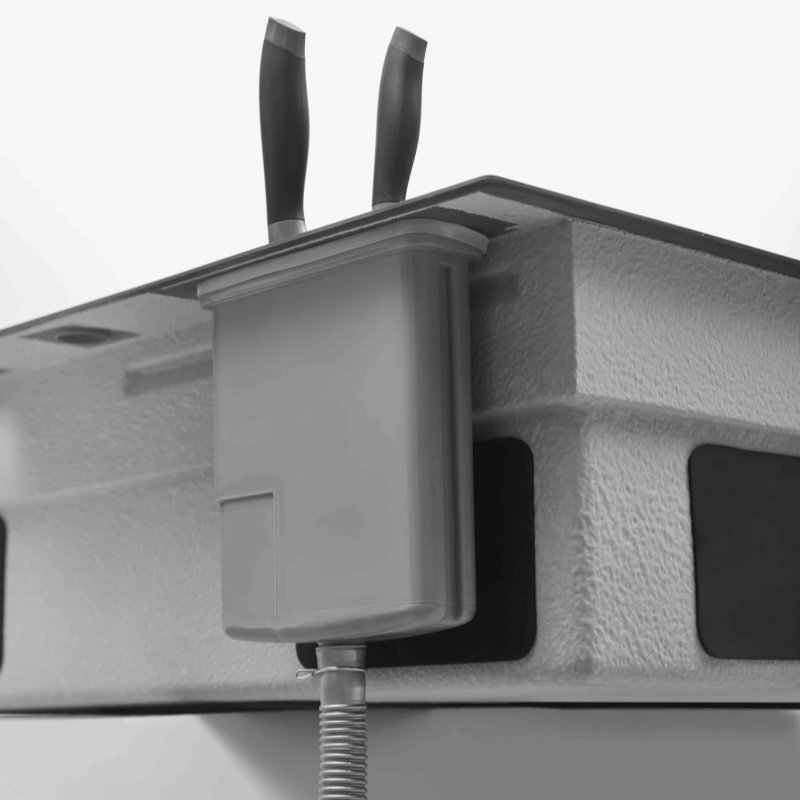
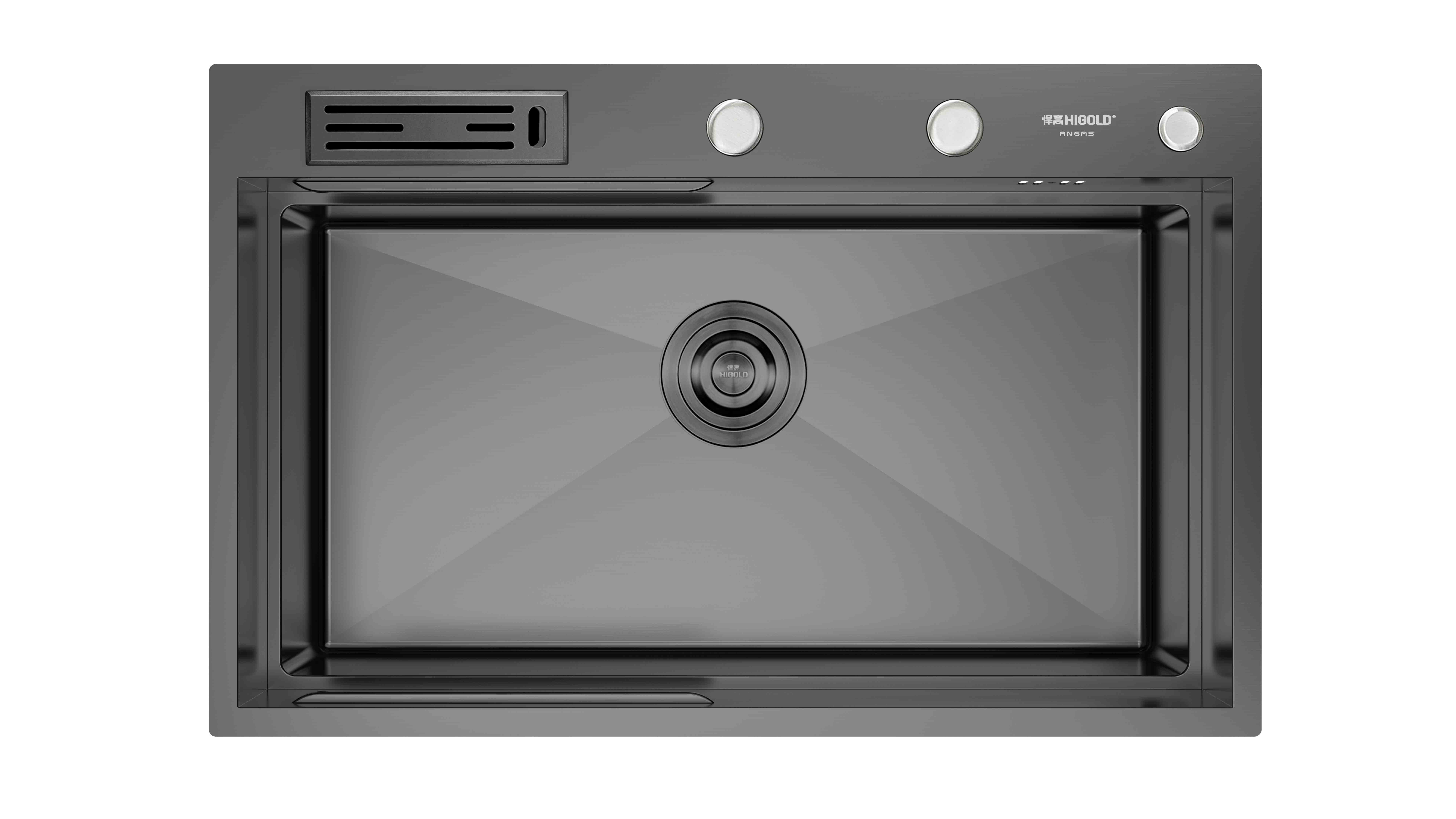
The kitchen stainless steel sink has undergone a remarkable aesthetic evolution. Early models were purely functional — sharp corners, visible weld seams, and a utilitarian matte finish. Today, leading designers treat the sink as a sculptural element. Using a countertop sink pressing technique, they create continuous radii, zero-radius internal corners (achieved through specialized dies), and seamless bowls that echo automotive or aerospace surface logic.
This is where the theme of taming water flow from the original poetic brief finds its engineering truth. The best stainless steel sinks are designed not to fight water but to guide it. Gently sloped bottom channels, parabolic curves where the wall meets the floor, and optimized drain placement turn the sink into a hydrodynamic landscape. Water does not pool or splash chaotically; it follows a path of least resistance — graceful, orderly, and quiet.
6. The Future: Smart Sinks and Material Innovation
What comes next for the stainless steel sink? In research labs, engineers are embedding sensors directly into the steel during the rolling process. Future kitchen stainless steel sinks may detect the presence of Salmonella or E. coli through impedance spectroscopy, alerting users via a smartphone app. Others are experimenting with "nano-textured" surfaces — laser-etched patterns that make water sheet rather than bead, dramatically reducing drying time and water spots.
Yet the fundamental character of the stainless steel kitchen sink will likely remain unchanged: durable, hygienic, recyclable, and quietly beautiful. It is one of the few objects in a modern home that can serve three generations of the same family, outlast the cabinets around it, and finally return to a steel mill to begin a new life.
7. Conclusion: A Masterpiece of Industrial Democracy
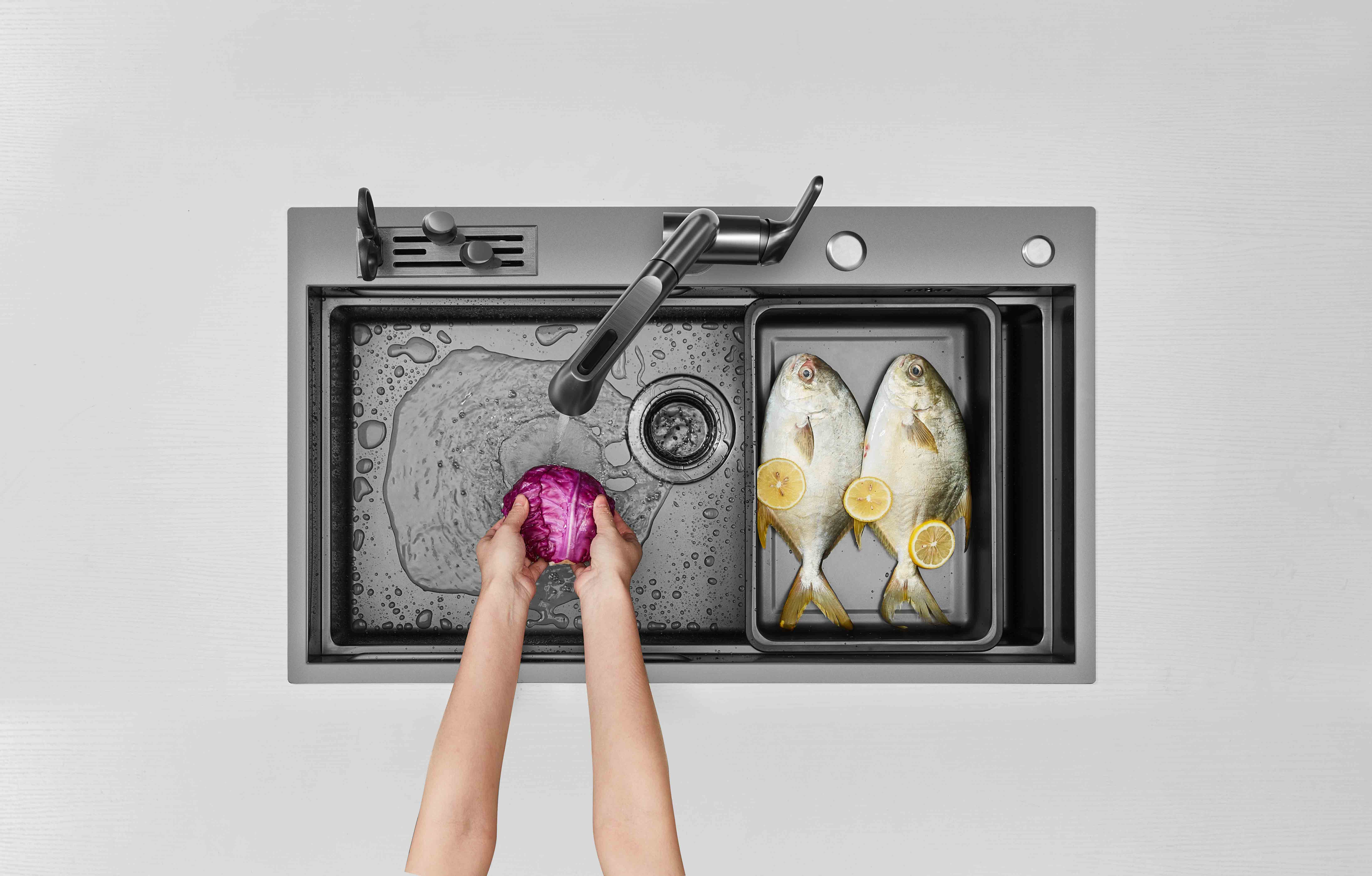
The stainless steel sink is not glamorous. It does not appear on magazine covers or in influencer videos. But it works, day after day, without complaint. It takes boiling water, frozen poultry, heavy cast iron, and acidic tomato sauce without cracking, staining, or leaching chemicals. In a world of planned obsolescence, the stainless steel kitchen sink stands as a quiet rebellion — a product designed to be used, not replaced.
So the next time you rinse a vegetable or scrub a pan, take a moment to look at that humble basin. Beneath its brushed surface lies over a century of metallurgical science, acoustic engineering, public health research, and circular economy logic — all compressed into a single, elegant curve of water.

