

Walk into any kitchen showroom, and you will see rows of gleaming silver basins. They look almost identical. But underneath that uniform surface lies a fascinating chemical story — one that most homeowners never hear.
Stainless steel does not rust because it contains chromium. When chromium meets oxygen, it forms a self-healing layer only a few atoms thick. This invisible film is called the passive layer. For kitchen sinks, this layer means the difference between a lifetime of service and a sink covered in brown spots.
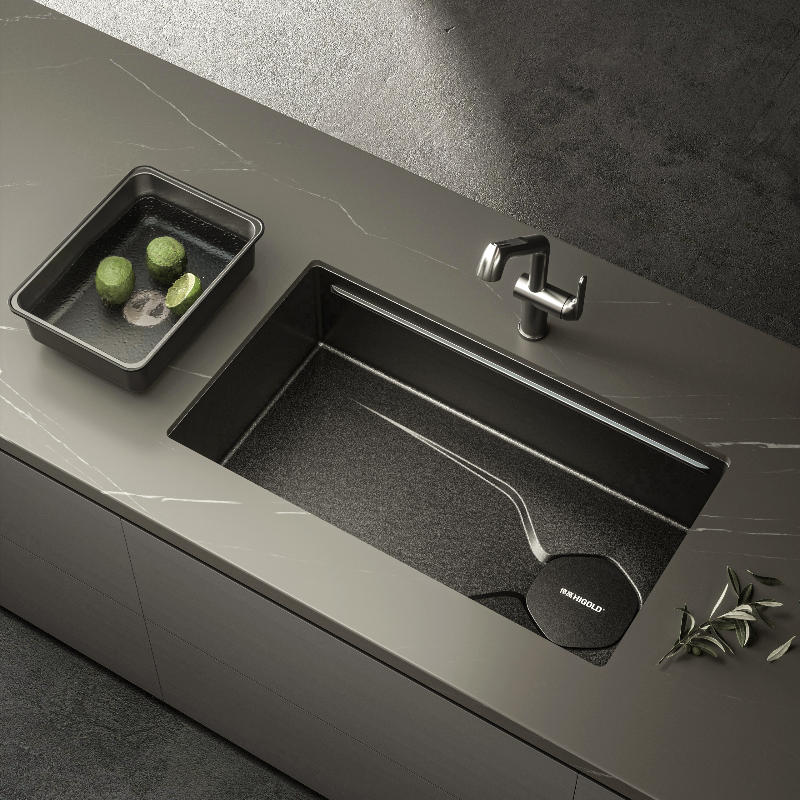
The magic number is 10.5%. Any steel alloy with less than 10.5% chromium cannot form a stable passive layer. That is why reputable sinks manufacturers always specify at least 18% chromium in their 304 or 316 grades. The extra chromium ensures the passive layer repairs itself within milliseconds after being scratched.
But here is the little-known detail: the passive layer is not automatic. It requires careful engineering during production. Leading stainless steel sinks suppliers control the entire line — from coil annealing to pickling. Pickling is a chemical process that removes surface contaminants and allows a fresh, uniform passive layer to grow. Without pickling, a sink may look clean but will corrode prematurely.
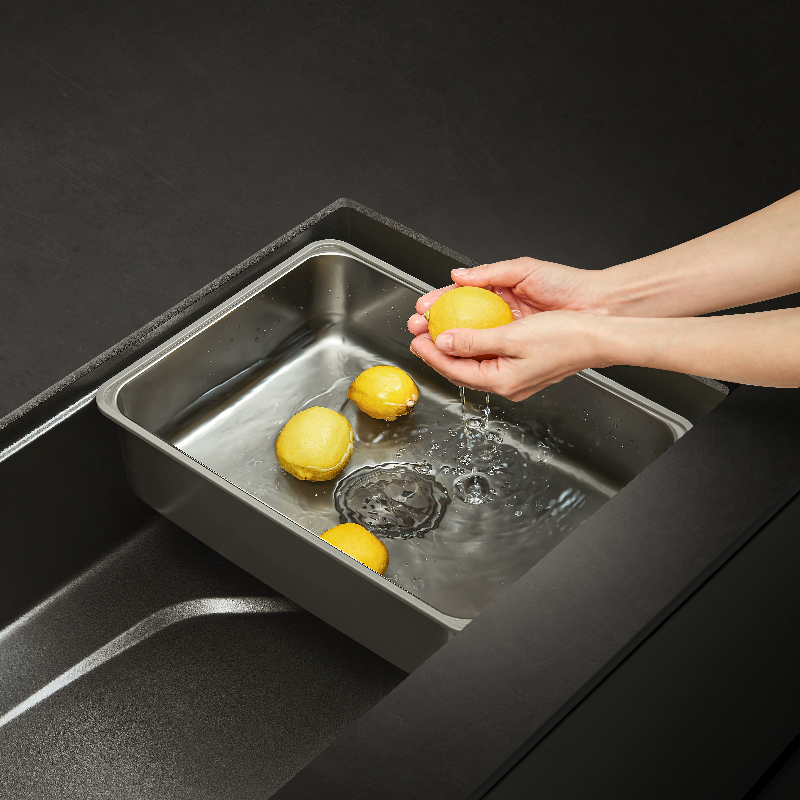
For wholesale stainless steel sinks, the economic pressure is intense. Cheaper products often skip proper pickling or use lower-grade 201 stainless steel, which has less nickel and manganese. These sinks may pass a visual inspection, but their passive layer is thin and inconsistent. In real-world kitchens — where acidic tomato sauce, salty brine, and bleach-based cleaners are common — those sinks will fail within months.
Another rarely discussed factor is surface finish. A mirror-polished sink has a smoother surface, which makes it harder for corrosive agents to cling. A brushed or satin finish, while more scratch-resistant, has microscopic grooves that can trap chlorides. High-quality kitchen sinks often combine a fine satin finish with an electrochemical passivation step. This two-step process fills the grooves with a reinforced passive layer.
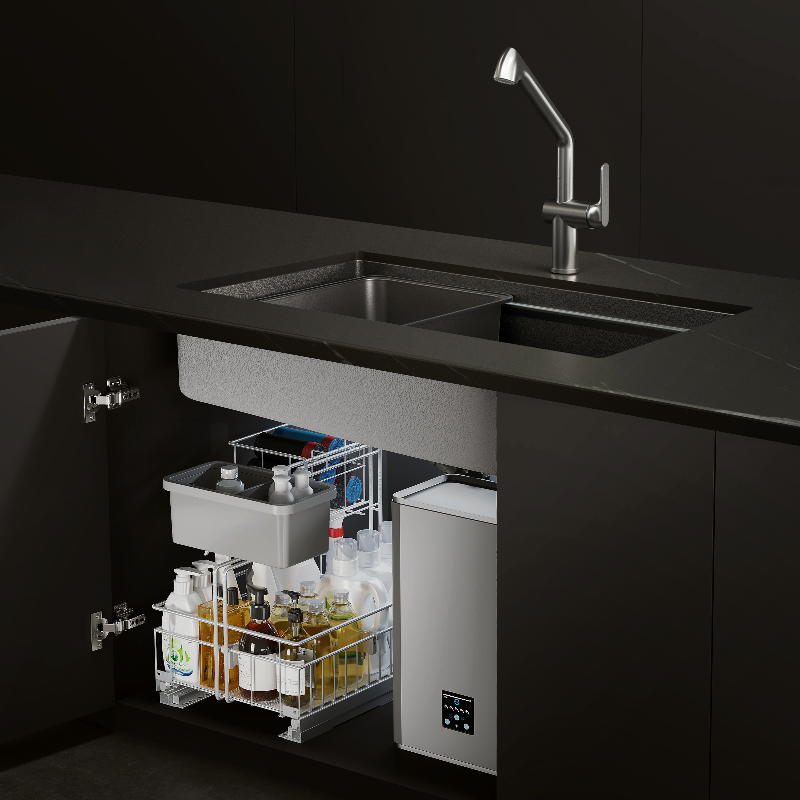
What about scratches? In a well-made sink, scratches actually trigger local healing. The exposed chromium reacts with air to rebuild the passive layer within seconds. However, if the sink is made from recycled stainless steel with uneven chromium distribution, healing may fail. That is why traceable raw material sourcing matters — something only trusted sinks manufacturers provide.
The food service industry has its own standard: passivation testing using ferricyanide solution. A blue stain indicates free iron on the surface, meaning the passive layer is incomplete. Many stainless steel sinks suppliers now include this test in their quality control. For the average homeowner, a simple salt spray test (leaving a drop of salt water on the sink overnight) can reveal hidden weaknesses.
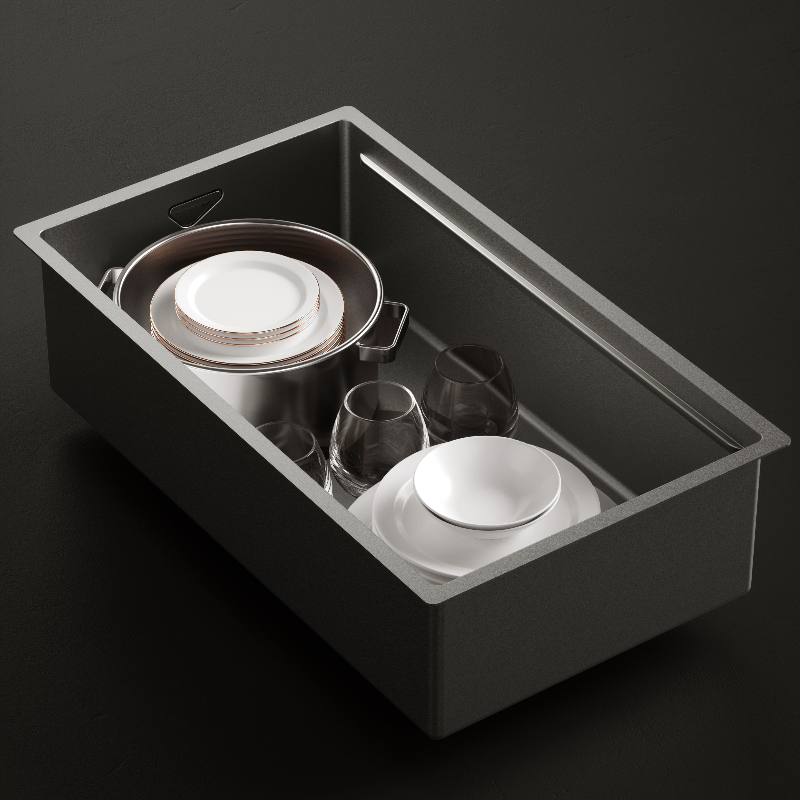
There is also a strange myth: that stainless steel sinks are completely non-stick to bacteria. In reality, a healthy passive layer is chemically inert and slightly negatively charged, which repels most microbes. But once the layer is damaged by abrasive cleaners or steel wool, bacteria can colonize the rough pits. This is why the best wholesale stainless steel sinks come with care instructions that explicitly ban harsh scrubbing.
Looking to the future, researchers are developing "super-passive" surfaces. By doping chromium with small amounts of molybdenum or nitrogen, the passive layer becomes almost indestructible. Some kitchen sinks already use 316L grade with 2–3% molybdenum, originally designed for marine environments. These sinks can withstand hydrochloric acid, bleach, and even coffee grounds left overnight.
So the next time you rinse vegetables or wash a cast-iron pan, remember: a silent, invisible shield is working nonstop. It has no buttons, no sensors, and no color. Yet without it, the humble sink would be just a rusting hunk of metal. That is the quiet science behind every quality stainless steel sink.

