

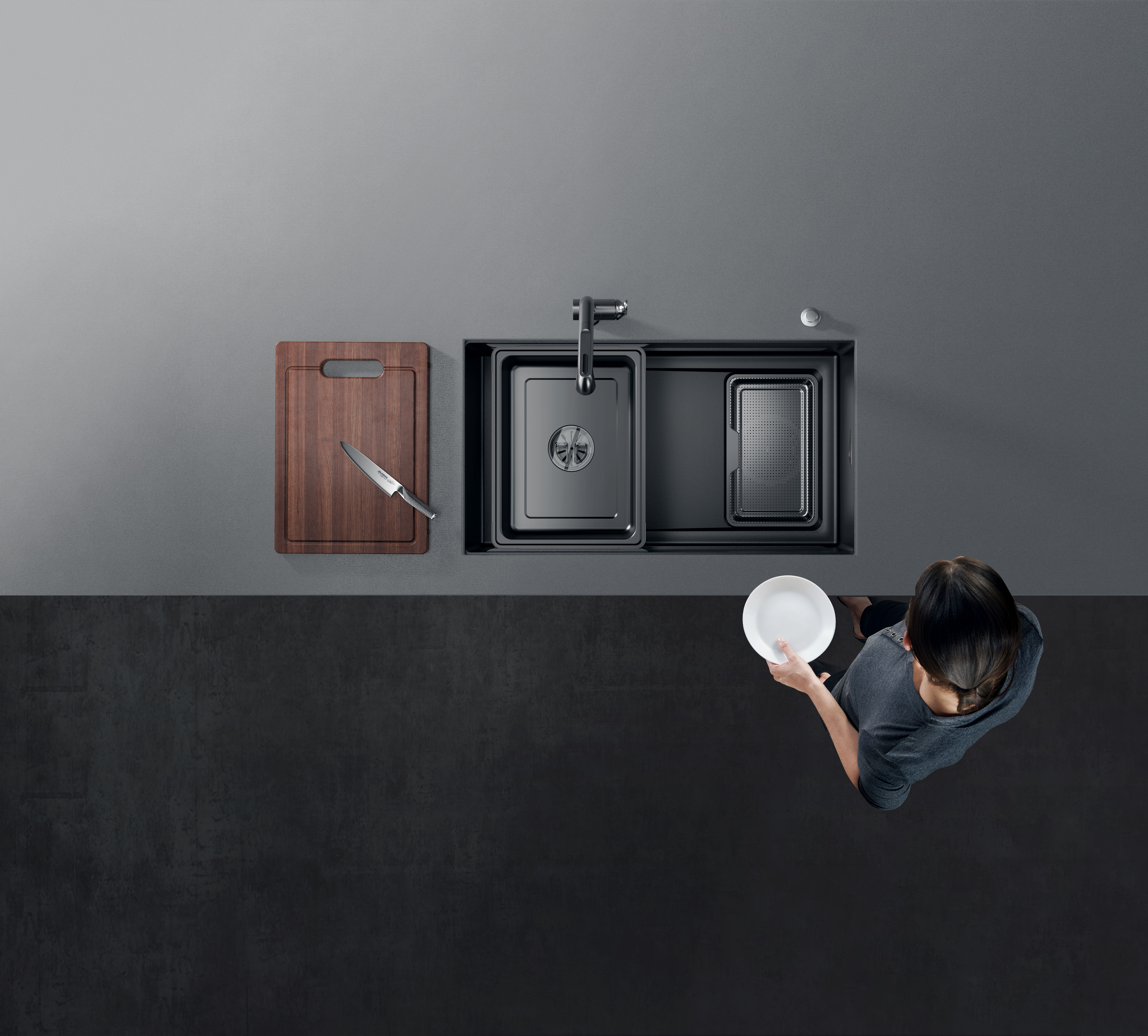
The most unassuming yet most frequently used device in the kitchen is undoubtedly the sink. Every day, while washing vegetables, cleaning dishes, or thawing meat, the sink endures water flow, detergents, hot water, and even accidental impacts. The core factor determining a sink’s lifespan and user experience is often overlooked by many – that is, the thickness of the sink material and the manufacturing process derived from it. Today, let’s focus on the category of the handmade sink and discuss why material thickness is the absolute key.
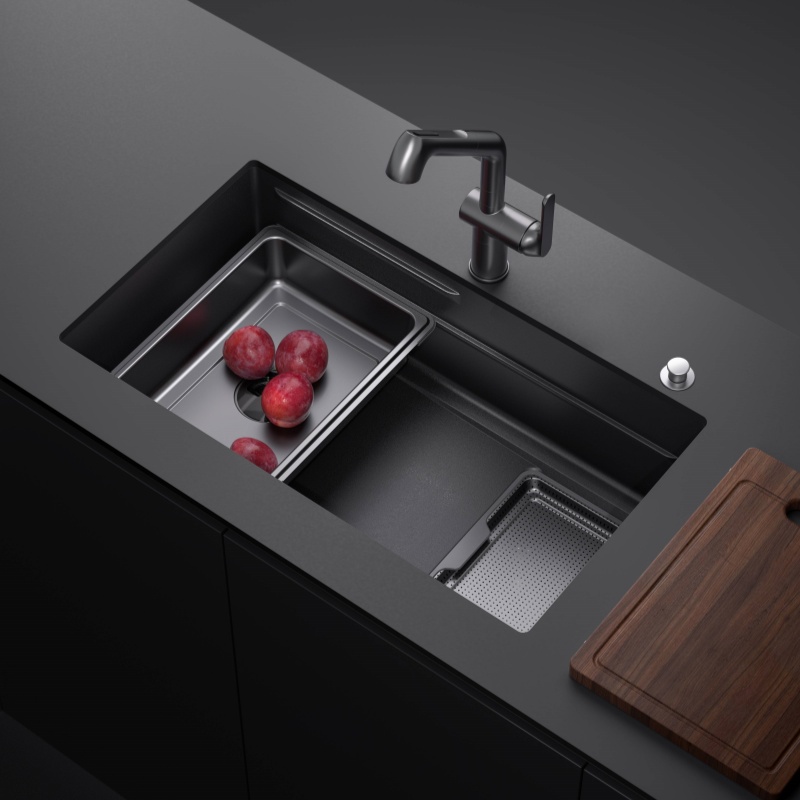
The vast majority of stainless steel sinks on the market fall into two types: pressing Sink and handmade sinks. A pressing sink is made by stamping and drawing a single piece of stainless steel sheet using a large die – fast production speed and low cost. However, its fatal weakness is that during the drawing process, the sheet is forcibly thinned. A steel sheet originally 1.0 mm thick may end up only 0.6–0.7 mm at the deepest bottom and corners of the bowl. This thickness loss directly reduces the local strength of the sink material, making it easier to be pierced by sharp objects over long-term use or to dent under heavy impact.
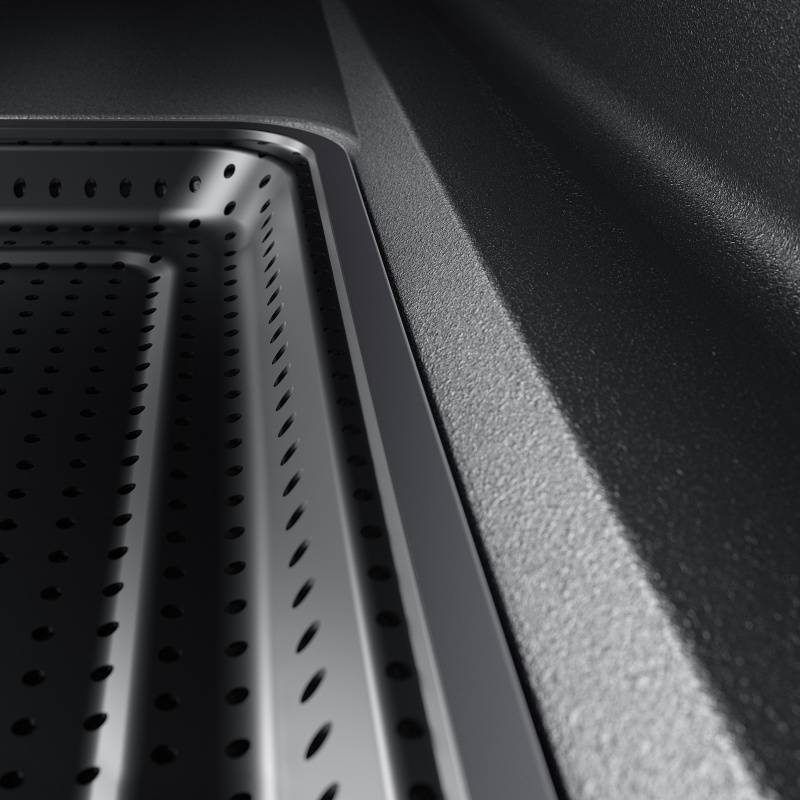
A handmade sink is completely different. It is made from thick steel sheets (typically starting at 1.2 mm or thicker) through precision cutting, bending, welding, and polishing. Throughout the entire process, the original thickness of the sheet is almost never reduced. In other words, if you buy a sink that is 1.2 mm thick, it will still be 1.2 mm thick even when it is retired. This “zero compromise” on the thickness of the sink material brings three practical benefits:
First, impact and deformation resistance are significantly improved. When you drop a heavy cast-iron pot into the bowl, a thin-walled drawn sink will make a loud “clang” and may even suffer a permanent dent at the bottom. In contrast, a thick handmade sink only emits a dull “thud,” and the bowl remains perfectly still. This is because the moment of inertia of a cross-section is proportional to the cube of the thickness – a 10% increase in thickness yields more than a 30% increase in stiffness. In plain terms: the “backbone” of a sink is entirely supported by its thickness.
Second, noise reduction is superior. Water hitting a thin steel sheet generates high-frequency vibrations that sound sharp and harsh. A thick stainless steel sink has greater mass, so its vibration frequency is lower and decays faster. When combined with the thick rubber sound-deadening pads usually attached to the bottom of a handmade sink, you can hardly hear any “splashing” noise – only a gentle sound of flowing water. A quieter kitchen makes cooking a much more pleasant experience.
Third, durability increases dramatically. In many households, the first part of the sink to fail is not the drain strainer, but the bowl itself – from corrosion or being scratched through. Because a handmade sink retains its original thickness, even if the surface is scratched, the deeper layers are still the same stainless steel material, so perforation is unlikely. Moreover, thicker sheets allow for deeper brushing finishes, making scratches less noticeable.
However, not every sink made from bent thick steel sheets deserves the name of a good handmade sink. Here we must mention a key process – welding. The four edges of a handmade sink are joined by TIG or laser welding. Excellent welding results in a weld seam that fully fuses with the base metal, becoming almost invisible after polishing. Poor welding may produce cold welds or porosity, causing the seam to leak water after a few years of use. Therefore, when selecting a sink, check whether the inner corner radius (R-corner) is smooth and continuous, and whether there are any black marks or pinholes at the welds.
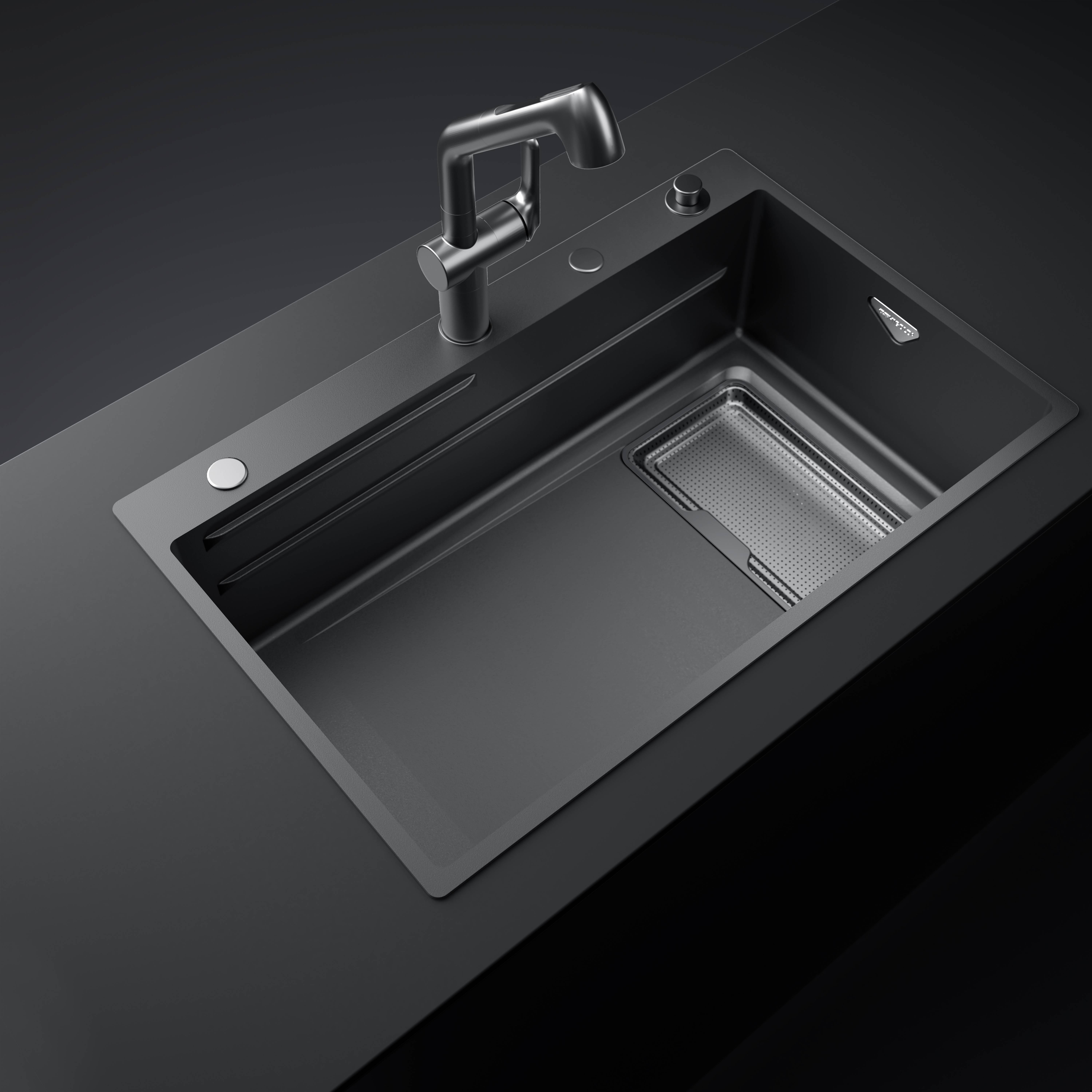
Another easily misunderstood point: the sink material depends not only on thickness but also on the stainless steel grade. The best stainless steel sink for home use today is made of 304 stainless steel (18/8 in American standard), containing 18% chromium and 8% nickel, offering strong corrosion resistance. Some low-cost sinks use 201 stainless steel, which, although also thick, has low nickel content and will eventually rust at weld points or scratches. Therefore, “thickness” must come with the right material.
To sum up, if you plan to replace your kitchen sink only once in ten years, go directly for a handmade sink and make sure the sink material is 304 stainless steel with a thickness of 1.2 mm or more. Do not be fooled by sinks labeled “thickened” but actually made by drawing – the drawing process cannot avoid localized thinning. Only a handmade sink can truly keep the thickness in its hands. Thickness is not a numbers game – it is the solid, reassuring feel when washing dishes every day, and the confidence that the sink will remain as firm as ever ten years later.

