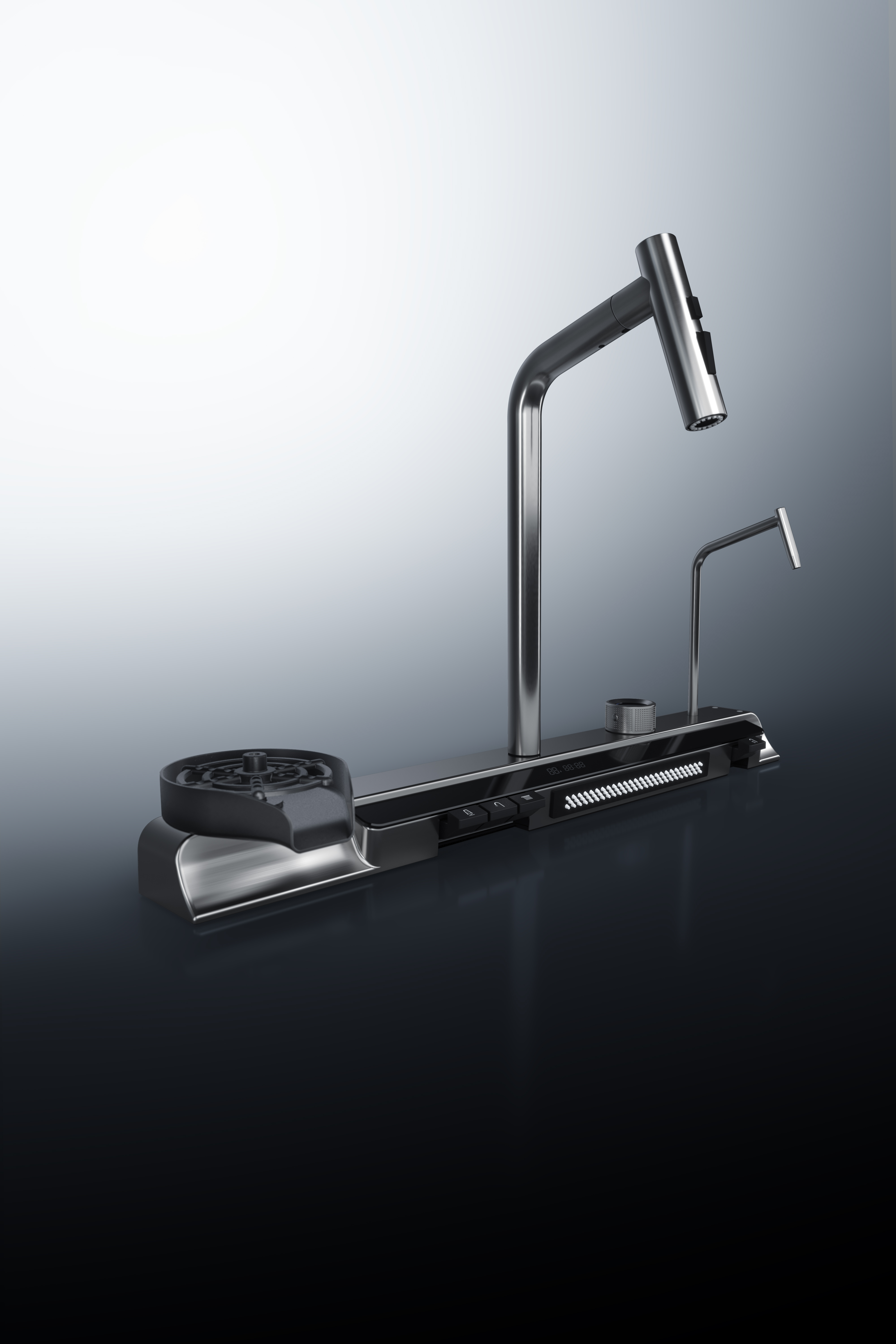

Kitchen Faucet: Materials, Craftsmanship and Selection Guide

2026-04-07

The kitchen faucet is an indispensable hardware in daily life, bearing the functions of cleaning, water intake and other daily kitchen operations. Its quality directly affects the user experience, service life and even family health. Choosing a high-quality kitchen faucet requires in-depth understanding of its materials, craftsmanship and core selection points. This article will detail the common materials and manufacturing processes of kitchen faucets, and provide practical selection suggestions to help you choose a suitable and durable kitchen faucet.


Kitchen Faucet


1.Common Materials of Kitchen Faucets

The material of the kitchen faucet determines its corrosion resistance, durability, safety and other core performance. At present, the mainstream materials on the market mainly include brass, stainless steel, zinc alloy, etc., each with its own characteristics. Choosing the right material according to the use environment and needs is the first step to ensure the quality of the faucet.


Brass

Brass is the most widely used material in high-quality kitchen faucets, among which HPb59-1 (59 brass) is the most common. 59 brass means that the copper content is about 59%, and the rest are mainly zinc, with a small amount of lead and other elements. Lead can improve the cutting and casting performance of copper alloy, but its content must be strictly controlled within the national standard (generally not exceeding 2.5%) to ensure water safety. Brass has excellent corrosion resistance and antibacterial properties, and can effectively kill bacteria in water, which is very suitable for the humid and oily environment of the kitchen. After professional surface treatment, it can maintain a bright appearance for a long time and has a service life of up to 10-15 years. The disadvantage is that the weight is relatively heavy, and the cost is higher than that of zinc alloy and other materials.


Stainless Steel
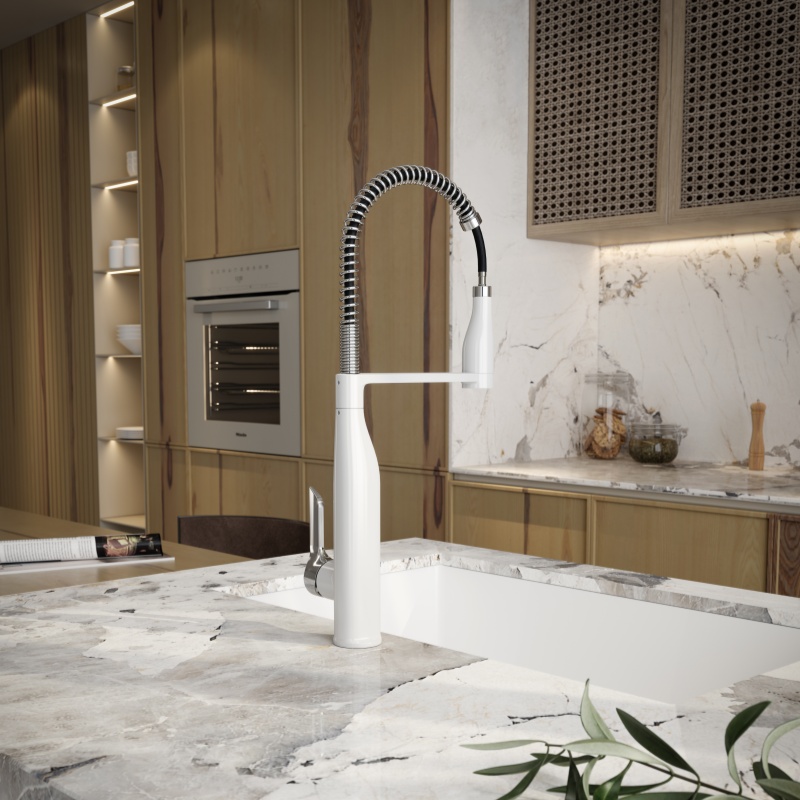
Stainless steel faucets, especially those made of 304 stainless steel, have become more and more popular in recent years. 304 stainless steel contains 18% chromium and 8% nickel, which has the characteristics of no lead, corrosion resistance and no release of harmful substances, effectively avoiding secondary water pollution. It does not need electroplating during the production process, and the surface is treated by wire drawing process, which is in line with the national limit requirements for heavy metal precipitation. The field corrosion test shows that the service life of stainless steel can reach 100 years, and it is almost maintenance-free. Its advantages are light weight, easy cleaning, and no need to worry about lead precipitation, which is very suitable for families with pregnant women and children. The disadvantage is that the processing difficulty is high, and the price of high-quality 304 stainless steel faucets is not low.


Zinc Alloy

Zinc alloy is a low-cost material commonly used in low-end kitchen faucets. It has the advantages of easy processing and forming, low cost, and can be made into various shapes. However, its performance is far inferior to brass and stainless steel. Zinc alloy has poor corrosion resistance. In the humid environment of the kitchen, it is easy to rust, corrode and even crack after long-term use, and its service life is generally only 2-3 years. In addition, zinc alloy may release harmful substances, which is not conducive to water safety. It is not recommended to choose zinc alloy faucets for long-term use in the kitchen.


Other Materials

In addition to the above three mainstream materials, there are also ceramic, plastic and other materials for kitchen faucets. Ceramic faucets are made of ceramic, which have the advantages of no rust, no oxidation and no wear, and have an elegant appearance, but the price is high. Plastic faucets are not durable, cheap, and are mostly used temporarily, not suitable for daily family use.

Stainless Steel


2.Core Manufacturing Processes of Kitchen Faucets

Good materials need to be matched with exquisite craftsmanship to give full play to their performance. The manufacturing process of kitchen faucets mainly includes casting, post-casting treatment, surface treatment and assembly. Each process affects the quality and service life of the faucet.


Casting Process

Casting is the key link to give the kitchen faucet its initial shape. The common casting processes include sand casting, gravity casting and die casting, which are suitable for different product grades and production batches.

Sand casting is a long-history and widely used casting process. It uses sand as the main raw material, adds binder and water to mix, and makes a cavity sand mold consistent with the shape of the faucet with the help of a wooden mold. Then, the copper ingot is melted into copper liquid and poured into the sand mold, and the initial casting is obtained after cooling and solidification. This process is economical, suitable for the production of medium and low-end faucets with complex shapes and large batches, but the product quality is unstable, and there may be internal defects such as shrinkage holes and air holes.

Gravity casting refers to the process of pouring copper liquid into the mold by gravity. The mold is made of heat-resistant alloy steel, which can withstand the scouring of high-temperature copper liquid. The copper liquid fills the mold cavity stably under the action of gravity, so the internal structure of the casting is dense and the mechanical performance is good. It is suitable for the production of high-quality faucets in medium batches, but the production efficiency is low and the surface finish is general.


Die casting is a precision casting method that uses high pressure to force molten metal into a complex metal mold. The copper liquid is poured into the pressure chamber of the die-casting machine, and filled into the mold cavity at a high speed under high pressure (usually 4-500MPa), and solidified under pressure. This process has high production efficiency, high dimensional accuracy and good surface finish, which is suitable for large-scale mass production of medium and high-end faucets. The disadvantage is that the mold cost is high, and air holes may be generated inside the casting due to the fast filling speed of copper liquid.

Post-Casting Treatment

After casting, the initial casting needs to go through cleaning, inspection, annealing and other post-casting treatment processes to become a qualified semi-finished product. Cleaning mainly removes impurities, burrs and residual sand on the surface of the casting through shot blasting and sandblasting. Inspection includes appearance inspection, dimensional accuracy inspection and internal quality inspection. Unqualified castings are repaired or scrapped. Annealing treatment heats the casting to 400-600℃, keeps it for a period of time and then cools it slowly, which can eliminate internal stress, refine grains and improve the toughness and plasticity of the material, making it easier for subsequent processing.

Surface Treatment Process

Surface treatment is not only to improve the appearance of the faucet, but also to enhance its corrosion resistance and wear resistance. The common surface treatment processes include electroplating, wire drawing and spraying.

Electroplating is the most common surface treatment process for brass faucets, mainly including chrome plating, nickel plating, etc. High-quality electroplating requires that the plating thickness is not less than 8 microns. After electroplating, the surface of the faucet is bright and smooth, corrosion-resistant and wear-resistant, and there will be no scratches or peeling when scratched lightly with a key. Wire drawing is mainly used for stainless steel faucets. The surface is treated with wire drawing to form a matte texture, which is not easy to leave fingerprints and oil stains, and is easy to clean, which is very suitable for the kitchen environment. Spraying is mostly used for special color faucets, such as matte black and gold. The surface is uniform and beautiful, but the wear resistance is slightly worse than electroplating.

Assembly Process

The assembly process of the kitchen faucet mainly includes the installation of the valve core, spout, handle, aerator and other components. The valve core is the "heart" of the faucet, and its quality directly affects the water leakage and service life. High-quality faucets all use ceramic valve cores, which have the advantages of wear resistance, high temperature resistance, and no water leakage after 500,000 times of opening and closing. The aerator is an important component to improve the water use experience. The high-quality POM material aerator can make the water flow dense and splash-proof, and can be disassembled and cleaned to prevent clogging. The assembly process requires precise fit between components to ensure smooth operation and no water leakage.


Material


3. How to Choose a Good Kitchen Faucet

Choosing a good kitchen faucet needs to comprehensively consider materials, craftsmanship, functions and other factors, and avoid falling into purchasing misunderstandings. The following are practical selection suggestions to help you choose a cost-effective product.

Prioritize Material Quality, Health First

When choosing a kitchen faucet, the main material should be given priority. It is recommended to choose 59 brass or 304 stainless steel. For brass faucets, pay attention to the lead precipitation (national standard ≤5μg/L), and check the material certificate and component analysis report to ensure that the copper content and lead content meet the standards. For stainless steel faucets, look for the 304 steel stamp to ensure that it is food-grade and free of lead precipitation. Avoid choosing zinc alloy faucets, which are easy to corrode and leak, and may affect water safety.

Pay Attention to Core Components and Craftsmanship

The valve core must be a ceramic valve core, and it is better to choose well-known brands such as Spanish Sedal and Hungarian Kerox, which have smooth hand feel and long service life. The surface treatment of the faucet should be uniform and smooth, without scratches, bubbles and other defects. For electroplated faucets, check the plating thickness; for wire-drawn stainless steel faucets, check whether the surface texture is uniform. In addition, check the assembly precision, rotate the handle to feel smooth and free of jamming, and ensure that there is no water leakage at the connection of each component.

Combine Usage Needs to Choose Functions

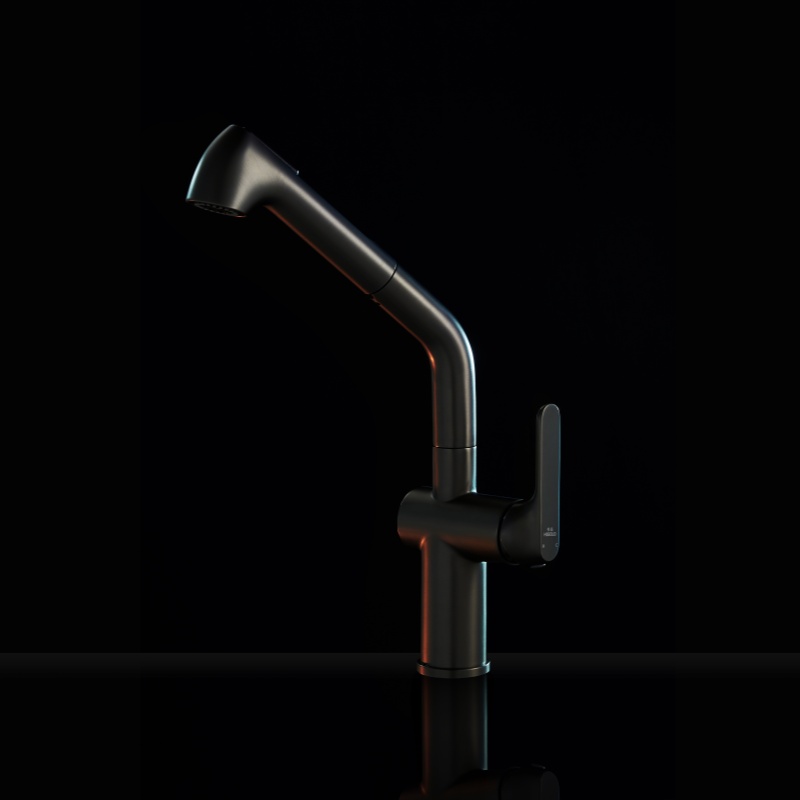
According to the size of the kitchen sink and usage habits, choose the appropriate faucet type. For large sinks, it is recommended to choose a pull-out faucet with 360-degree rotation, which can rinse the sink dead corner and vegetables conveniently. The pull-out pipe should be a steel wire braided pipe, which is durable and not easy to knot or burst, with a stretching length of at least 60cm. The aerator is a necessary function, which can make the water flow soft and splash-proof. For families with elderly and children, a lever-type switch is recommended, which is labor-saving and easy to operate. A faucet with constant temperature function is more practical, which can keep the water temperature stable at about 38℃ to avoid scalding.

Pay Attention to Adaptability and Avoid Mistakes

Before purchasing, check the number of holes in the sink. Single-hole sinks choose single-hole faucets, and double-hole sinks (usually 15cm hole spacing) choose double-hole faucets or use universal bases to change to single-hole faucets. Measure the distance between the two holes to avoid being unable to install due to excessive error. For high-rise buildings (above the 7th floor) or old houses with low water pressure (below 0.1MPa), choose a booster faucet; for new houses or low-rise buildings with normal water pressure, choose an ordinary faucet. In addition, avoid pursuing "Internet celebrity models" with strange shapes, which have many cleaning dead corners and difficult maintenance; the price is not the higher the better, and mid-range products of 200-500 yuan can meet daily needs as long as the material and valve core are qualified.

Kitchen Faucet


Conclusion

The quality of the kitchen faucet is closely related to daily life. Choosing a high-quality kitchen faucet requires focusing on materials and craftsmanship, and combining usage needs to select appropriate functions. Brass and 304 stainless steel are the best choices for materials, and exquisite casting, surface treatment and assembly processes are the guarantee of quality. By mastering the above selection points, you can choose a kitchen faucet that is durable, safe, practical and easy to clean, which brings more convenience to kitchen life.


Get the latest price? We will reply as soon as possible (within 12 hours)