

Walk into any kitchen showroom, and you will see rows of shiny metal basins. Most look similar. But underneath the surface, there is a quiet divide that few consumers ever notice: the difference between a machine-pressed sink and a handcrafted one. Today, we explore what happens when human hands, not just hydraulic presses, shape a kitchen sink.
Let’s start with how most sinks are made. The vast majority of china single basin sink products on the market come from automated stamping lines. A flat sheet of stainless steel is placed into a huge press. A die slams down with hundreds of tons of force, stretching the metal into a bowl shape in seconds. This is fast, cheap, and consistent. But it creates hidden stress points. The metal is thinned unevenly, especially at the corners. Over years of thermal expansion and contraction, those thin spots can crack.
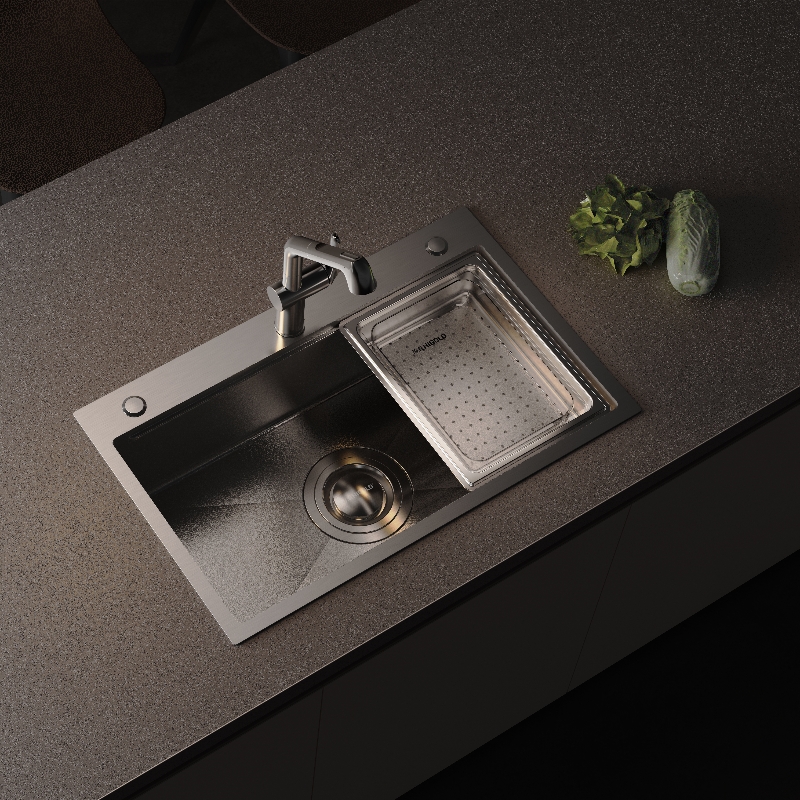
Now consider a handmade sinks company. Instead of a single violent stamp, skilled craftsmen cut thick steel sheets — often 16 or 14 gauge — and weld them piece by piece. Each corner is folded and welded by hand. The result is a kitchen sink with uniform thickness throughout. There are no stretched, weakened areas. This is why a handmade sinks company typically offers a lifetime warranty while mass-produced sinks often cover only five to ten years.
But the differences go deeper. A machine-made china single basin sink usually has a tight radius at the corners — typically 10 to 15 millimeters. That sharp corner is a dirt trap. Food particles, grease, and bacteria love to hide there. A handcrafted kitchen sink, however, can have a much larger corner radius, sometimes 40 millimeters or more. That gentle curve is easier to wipe clean. Some handmade sinks company models even offer zero-radius internal corners for a modern look, but they achieve it through precise welding, not stretching.
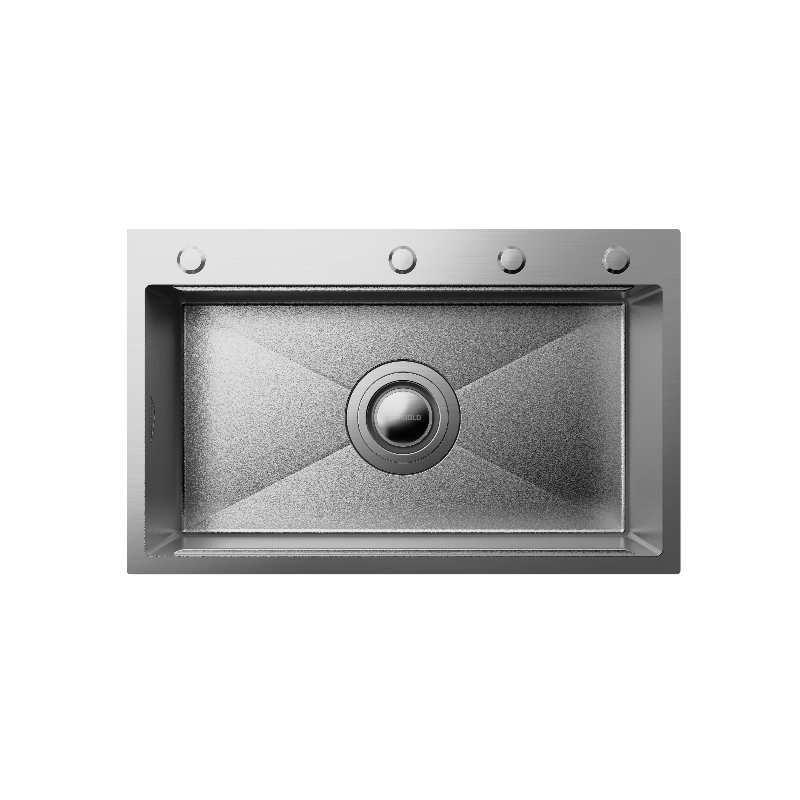
What about the drain? On a standard china single basin sink, the drain hole is punched in the same stamping step. This creates a sharp edge that can collect debris. A premium handmade sinks company will often hand-weld a separate drain flange, then polish it flush with the basin floor. That seamless transition means water and particles slide directly into the drain without getting trapped. For anyone who has ever scrubbed black gunk from around a sink drain, this is a revelation.
Noise is another hidden factor. A machine-pressed kitchen sink is thin in some areas and thicker in others. That unevenness amplifies certain frequencies. Fill it with hot water and drop in a cast-iron pan — the sound is a loud, ringing clang. A handcrafted china single basin sink made by a serious handmade sinks company uses consistent heavy-gauge steel throughout. Combined with hand-applied sound-dampening pads that cover every square inch, the same pan drop produces a dull, quiet thud.
Let’s talk about the finish. Machine-made sinks are usually polished by robotic arms. The result is uniform but shallow. A handmade sinks company employs human polishers who spend hours on each kitchen sink. They can blend welded seams until they disappear. They can create a brushed finish that runs in one consistent direction. This matters because a chaotic, multi-directional scratch pattern actually shows wear more quickly. A hand-finished china single basin sink has a grain that hides daily scratches.
There is also the issue of customization. A machine line produces one shape: round or rectangular, with fixed dimensions. If you need a kitchen sink that fits an odd cabinet or has a custom drain placement, you are out of luck. A handmade sinks company, however, can build to order. Want a china single basin sink that is 32 inches long instead of 30? They can cut and weld it. Need the drain offset to the left? No problem. This flexibility is why professional kitchen designers often specify handcrafted sinks for high-end renovations.
What about the sink rim? On a mass-produced china single basin sink, the rim is often rolled over to hide rough edges. That rolled rim creates a tiny ledge where water can pool. Over time, that pooling leads to mineral deposits and even rust if the underlying steel is exposed. A handcrafted kitchen sink from a reputable handmade sinks company typically features a square, flat rim that is ground smooth. No ledges, no hidden rust traps.
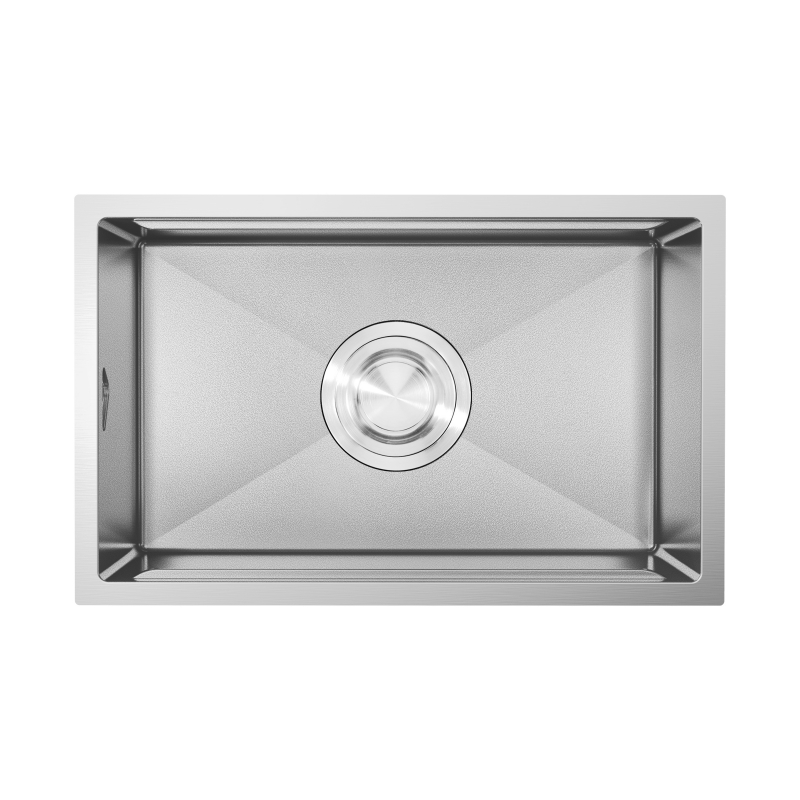
We should also discuss material sourcing. A responsible handmade sinks company buys certified stainless steel from a single melt batch. This ensures consistent metallurgy. Mass producers of china single basin sink often mix coils from different suppliers. The variation in chromium and nickel content can cause invisible galvanic corrosion at welds. Even if the kitchen sink looks perfect on day one, micro-cracks may appear after a few years.
Finally, consider the emotional value. A machine-made china single basin sink is a commodity. You buy it, install it, and forget it. A handcrafted kitchen sink made by a skilled handmade sinks company carries the marks of human effort. The slight variations in the polish, the perfect weight balance, the smooth corners — these are not flaws. They are signatures of craftsmanship. When you wash vegetables in such a kitchen sink, you are not just cleaning food. You are touching something made with care.
In conclusion, the next time you look at a china single basin sink, ask yourself: was it stamped by a machine in seconds, or built by human hands over hours? A handmade sinks company delivers durability, cleanability, and beauty that no automated press can match. And a truly great kitchen sink is not just a basin. It is an heirloom in the making.

