

Every time you turn on your kitchen faucet, water rushes through a hidden maze of passages. Most people never think about what happens inside. But over time, a silent enemy grows: limescale. And not all kitchen faucets fight it equally. Today, we explore a rarely discussed aspect of how a kitchen water faucet ages — and why some designs stay cleaner longer.
Let’s start with the basics. A typical kitchen faucet contains internal waterways made of brass, stainless steel, or plastic. When hard water flows through, calcium and magnesium crystals cling to rough surfaces. In a poorly engineered kitchen water faucet, these crystals build up inside, gradually reducing flow. You might notice a weaker spray after a year. That is limescale choking the passage.
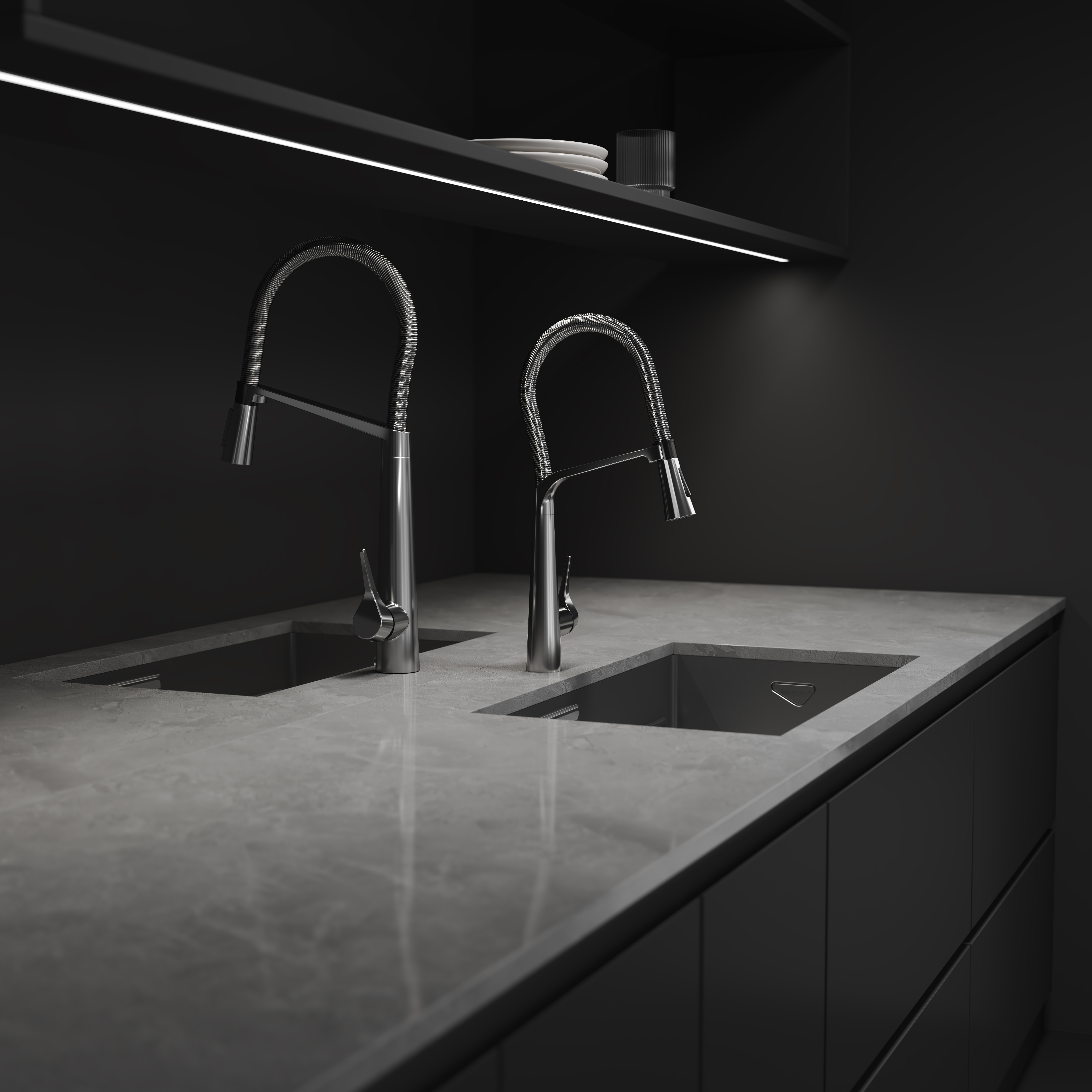
However, a good quality kitchen tap has a secret weapon: smooth internal geometry. Instead of sharp corners or sudden diameter changes, premium kitchen faucet designs use gradual bends and polished interiors. This reduces turbulence. Turbulence is the enemy because it causes dissolved minerals to precipitate faster. The best good quality kitchen taps even feature a non-stick coating inside the waterway — something no advertisement will tell you.
Now consider the aerator. That small screen at the tip of your kitchen faucet is actually a flow straightener. But it is also a limescale magnet. A cheap kitchen water faucet uses a simple plastic aerator with large holes. Scale builds up within weeks. A good quality kitchen tap uses a multi-layer stainless steel aerator with self-cleaning properties. Some high-end kitchen faucet models even incorporate a silicone membrane that flexes to break off scale when water pressure changes.
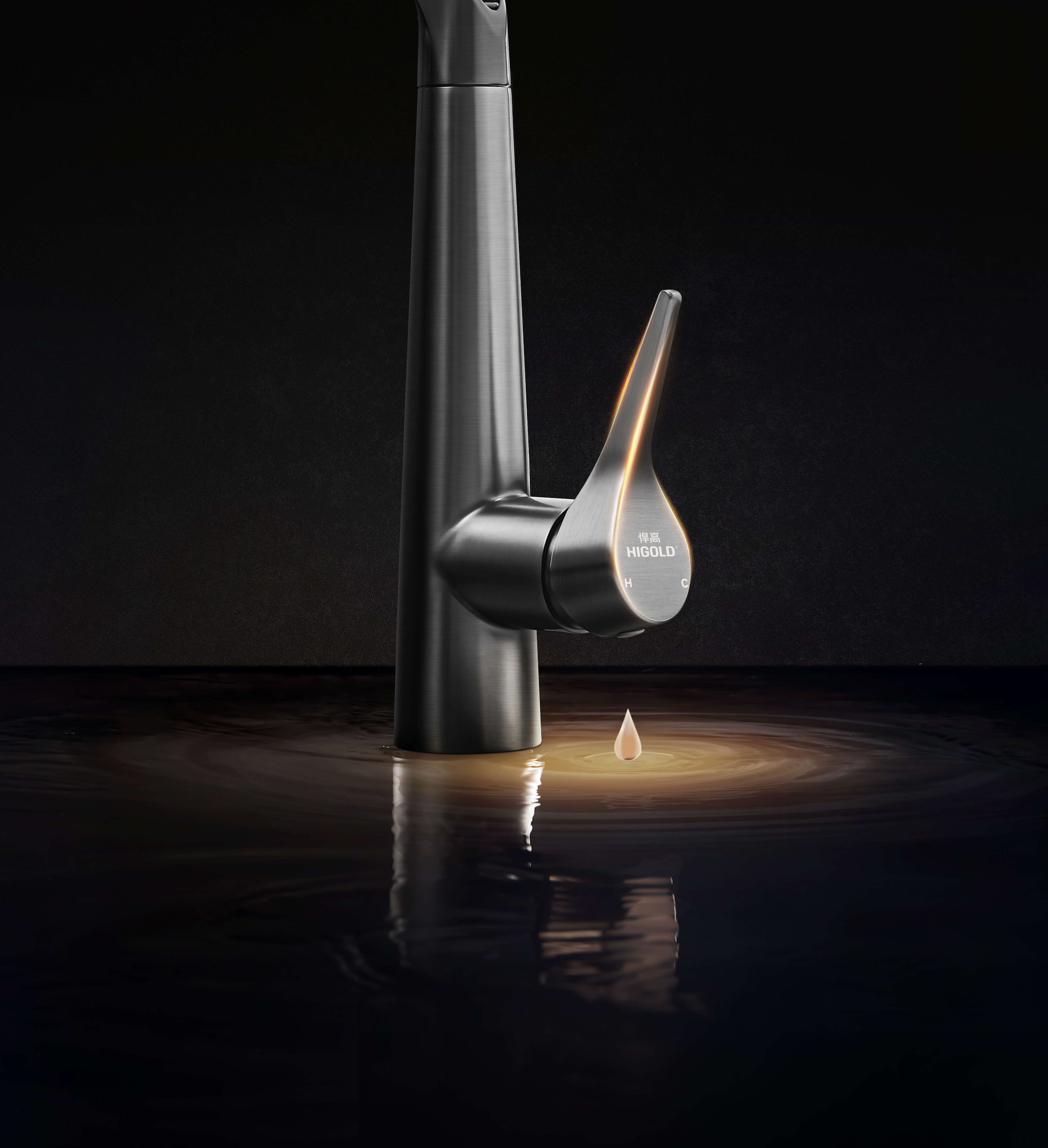
Another hidden factor is water velocity. When water moves too fast through a kitchen faucet, it creates cavitation — microscopic bubbles that collapse and erode metal surfaces. That erosion creates tiny pits. Those pits become nurseries for limescale. A well-designed kitchen water faucet regulates velocity through internal restrictors. This is why good quality kitchen taps often have a quieter, fuller stream compared to cheaper ones that spit and sputter.
What about the valve? Most people do not realize that the ceramic disc cartridge inside a kitchen faucet also affects scale. Standard cartridges have flat discs. When scale forms between the discs, the handle becomes stiff. A good quality kitchen tap uses lapped ceramic discs with extremely fine surfaces — sometimes polished to near-mirror finish. Scale cannot grip. The best kitchen water faucet cartridges are also reversible, so you can flip them after years of use to expose a fresh surface.
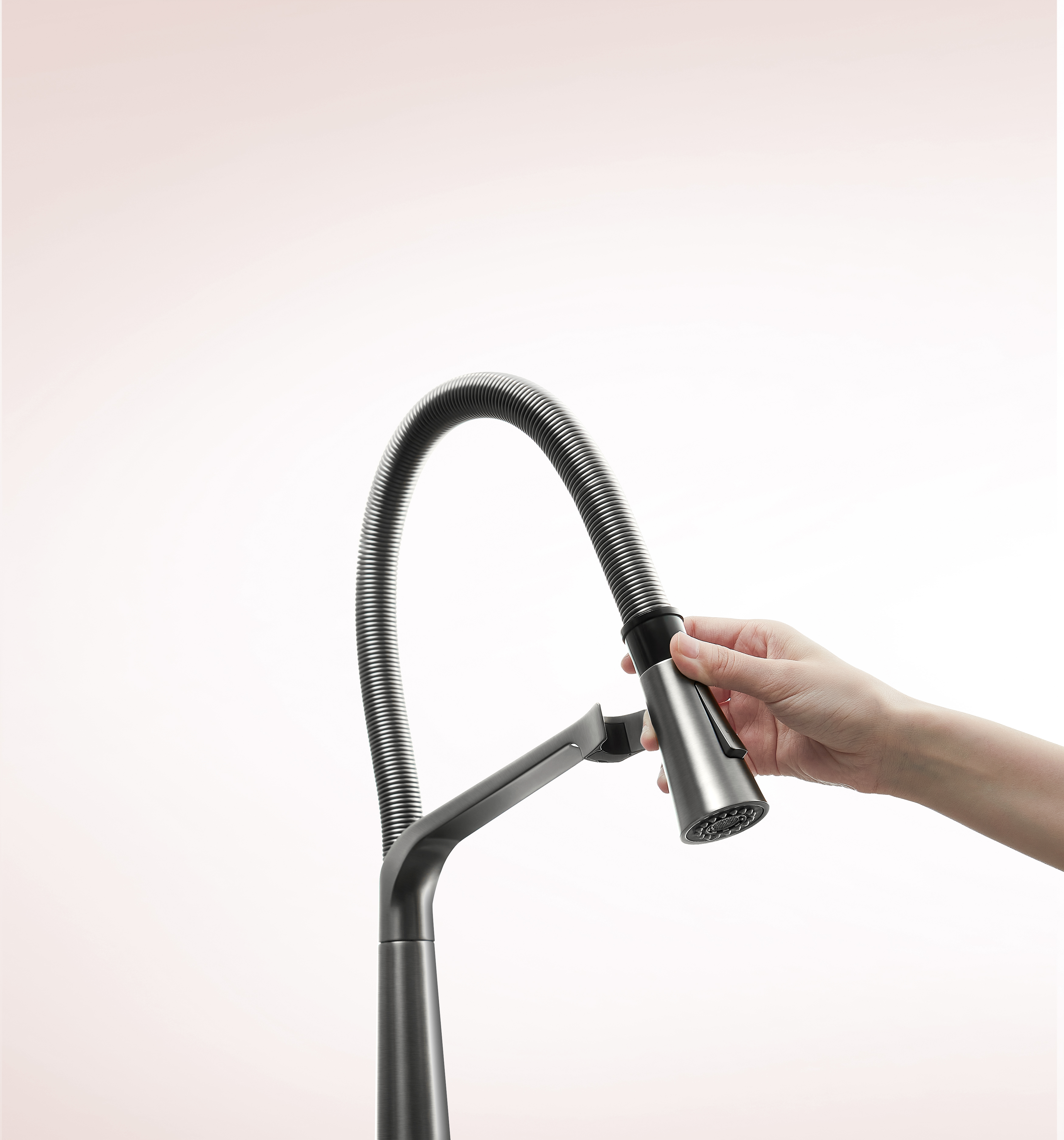
Let’s talk about the spout design. A high-arc kitchen faucet looks elegant, but it has a long internal passage. If that passage has welded seams, scale will accumulate along the weld line. Seamless drawn spouts are far better. Good quality kitchen taps from reputable brands use seamless construction for the main tube. When you compare a seamless kitchen water faucet to a welded one under a microscope, the difference in scale adhesion is dramatic.
Temperature also plays a role. Hot water carries more dissolved minerals. Every time you run hot water through your kitchen faucet, you are depositing scale. But a smart kitchen faucet can mitigate this by mixing in cold water right at the valve. Some advanced good quality kitchen taps have a thermal balancing feature that prevents the internal temperature from exceeding 140°F (60°C). Above that threshold, scale formation doubles.
Now for a surprising fact: the finish on the outside of your kitchen water faucet affects the inside. Electroplated chrome finishes require a copper underlayer. That copper can interact with water chemistry if the plating has microscopic pinholes. Over time, galvanic corrosion creates rough patches inside. Good quality kitchen taps use a multilayer plating process (nickel then chrome) with a sealed topcoat. This prevents any electrochemical reaction. A truly premium kitchen faucet will even have a ceramic or PVD coating that is completely inert.
What about lead content? Old brass kitchen faucets contained up to 8% lead. Lead does not affect scale directly, but the leaching process creates surface porosity. That porosity traps scale. Modern good quality kitchen taps use low-lead brass (less than 0.25%) or lead-free stainless steel. The smoother metallurgical structure resists scale formation. If you want a kitchen water faucet that stays clean for a decade, look for NSF/ANSI 61 certification — it guarantees not only safety but also a higher quality internal surface.
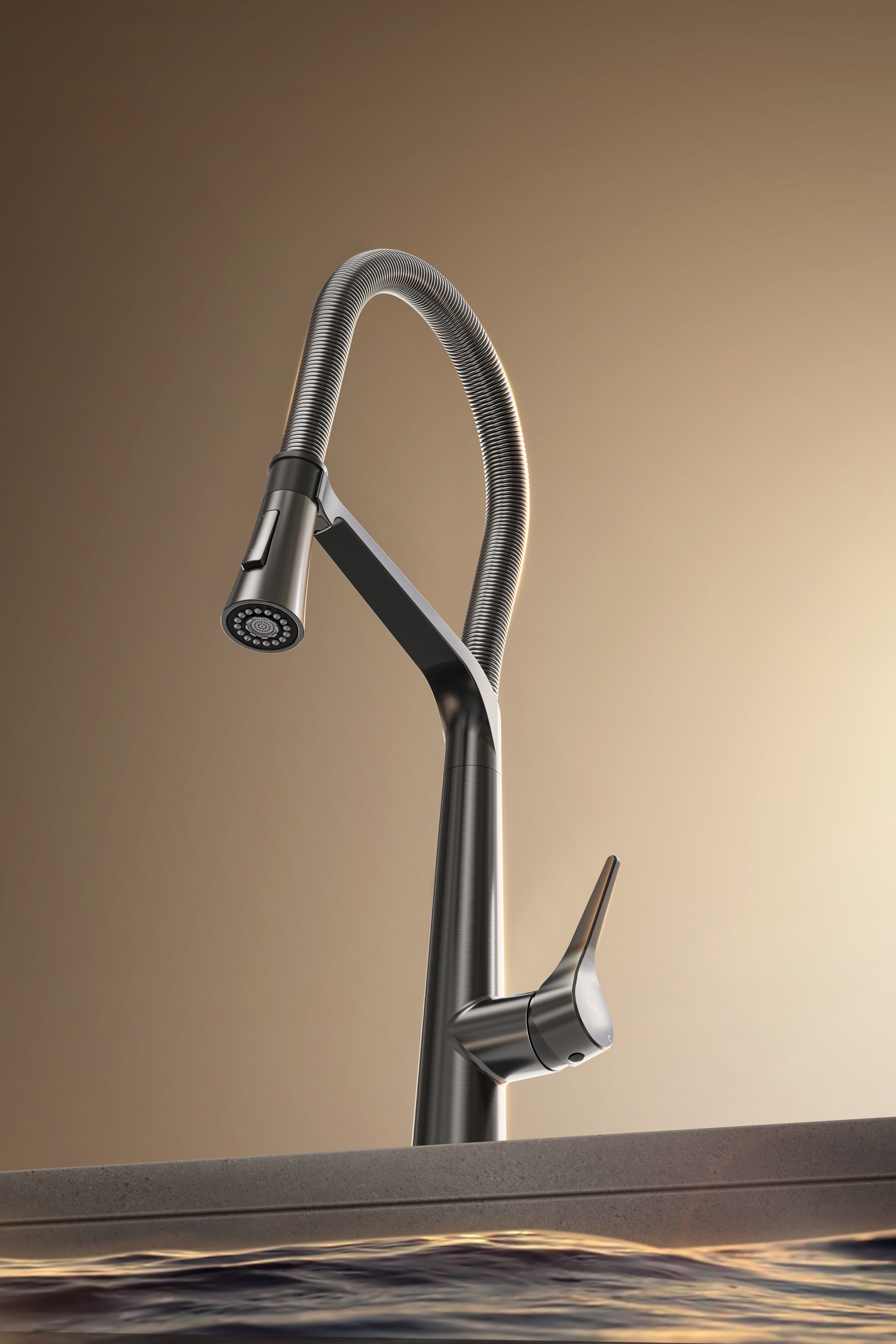
We also need to talk about maintenance. Most people think descaling a kitchen faucet means soaking the aerator in vinegar. That works, but it does not clean the internal passages. A little-known trick is to fill a plastic bag with a 50/50 vinegar and water solution, then tie it over the spout so the liquid flows backward. Turn on the water briefly to force solution into the internal waterways. Leave it overnight. This method works best on good quality kitchen taps because their smooth surfaces release scale easily after acid treatment.
Finally, consider water filtration. A kitchen water faucet with a built-in filter bypasses some of these problems. But the filter itself can become a breeding ground for bacteria if not changed regularly. The latest innovation among good quality kitchen taps is a magnetic water conditioner that changes the crystal structure of calcium — making it less likely to stick. While not a replacement for descaling, this technology can extend the life of your kitchen faucet by several years.
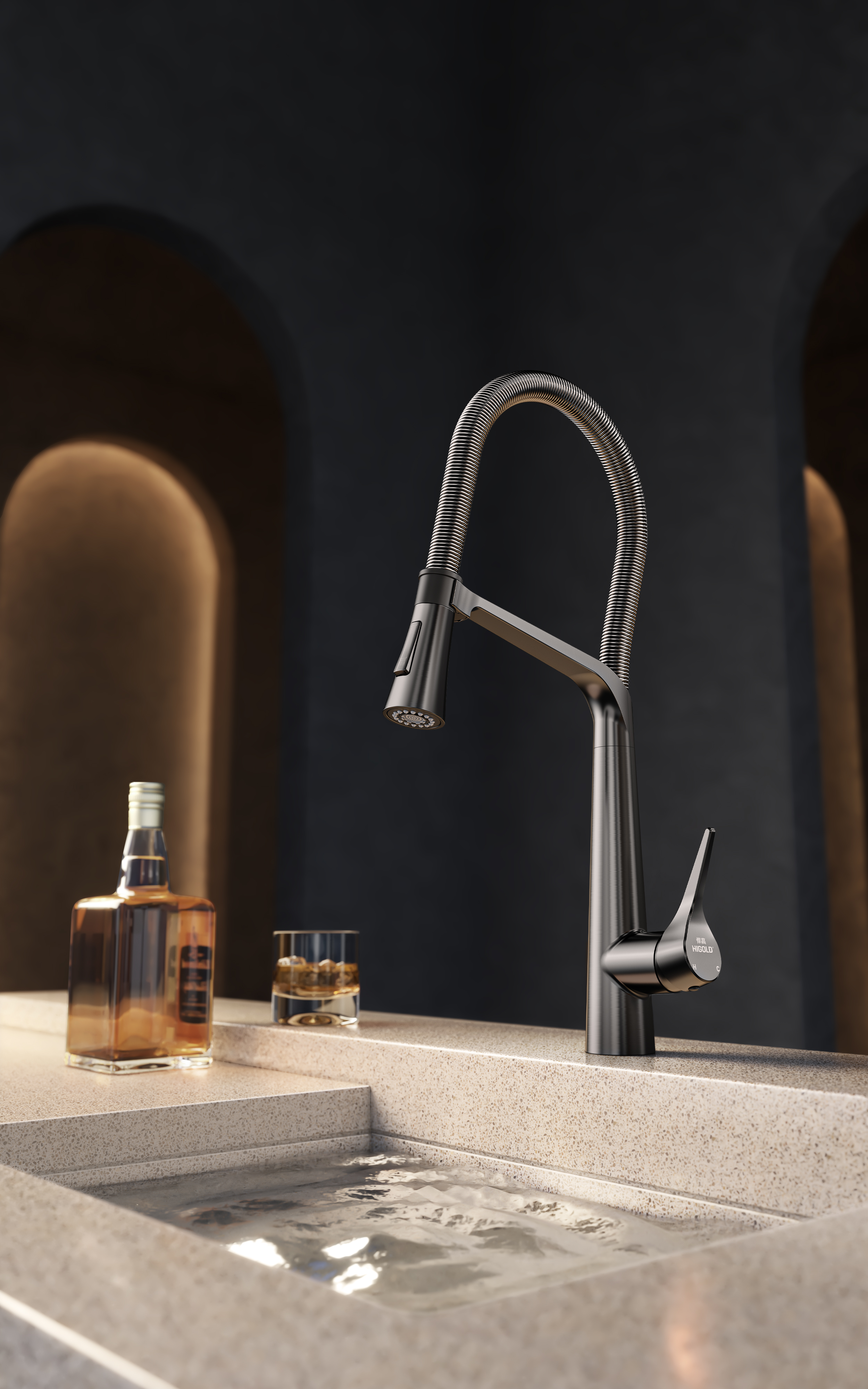
In conclusion, your kitchen faucet is not just a handle and a spout. It is a hydraulic system. The difference between a frustrating, scale-clogged kitchen water faucet and one that flows freely for decades often comes down to internal design details that no salesperson will mention. Good quality kitchen taps are engineered with these physics in mind. So the next time you admire a shiny kitchen faucet, remember: what you cannot see matters most. And a truly great kitchen water faucet is one that fights limescale in silence, year after year.

