

As a core fixture in the bathroom, the bathroom basin faucet is directly related to daily washing, cleansing, and water efficiency. Although a faucet may seem simple, its type, material, installation method, and functional features significantly impact the user experience.
This article will provide a comprehensive analysis of the question, "What is a bathroom basin faucet?" It covers its definition, functional characteristics, material classifications, installation methods, advantages and disadvantages, and a purchasing guide to help readers gain a deeper understanding of this important bathroom product.
What is a bathroom basin faucet?
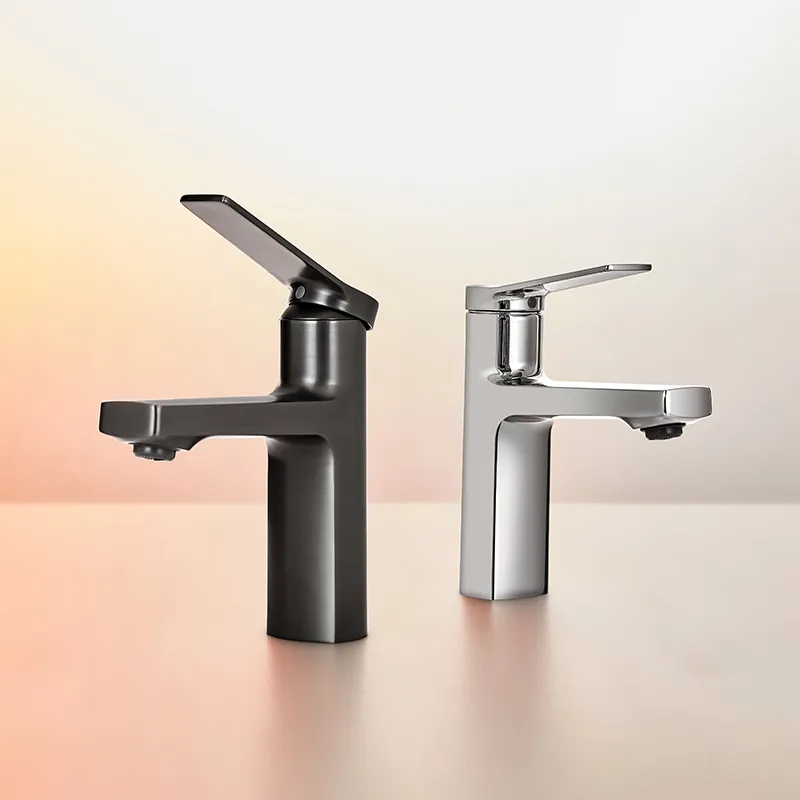
A bathroom basin faucet is a faucet installed on the bathroom wash basin. Its primary function is to provide hot and cold water for daily handwashing, facewashing, cleansing, and some household washing activities. Compared to kitchen faucets, bathroom basin faucet designs prioritize ergonomics, aesthetics, and hygiene.
A bathroom basin faucet typically includes the following core components:
• Valve cartridge: This controls water flow and temperature and is the core component of the faucet. Different valve cartridge types determine the faucet's operational feel and durability.
• Spout: Directs water from the faucet to the basin. Its height and angle influence water flow coverage and user comfort.
• Faucet body: Supports the valve cartridge and spout, also serves a decorative purpose and is the faucet's primary visual element.
• Handle or knob: Controls water flow and temperature. These come in a variety of styles, including single-handle, double-handle, and sensor-based.
Overall, a bathroom basin faucet is not only a basic part of daily life but also a crucial component of bathroom aesthetics, convenience, and water management.
Bathroom Basin Faucet: Key Features
To understand a bathroom basin faucet, it's crucial to understand its functional features. Beyond basic water supply functions, modern bathroom basin faucets incorporate multiple design concepts to enhance the user experience.
1. Temperature Control and Water Volume Adjustment
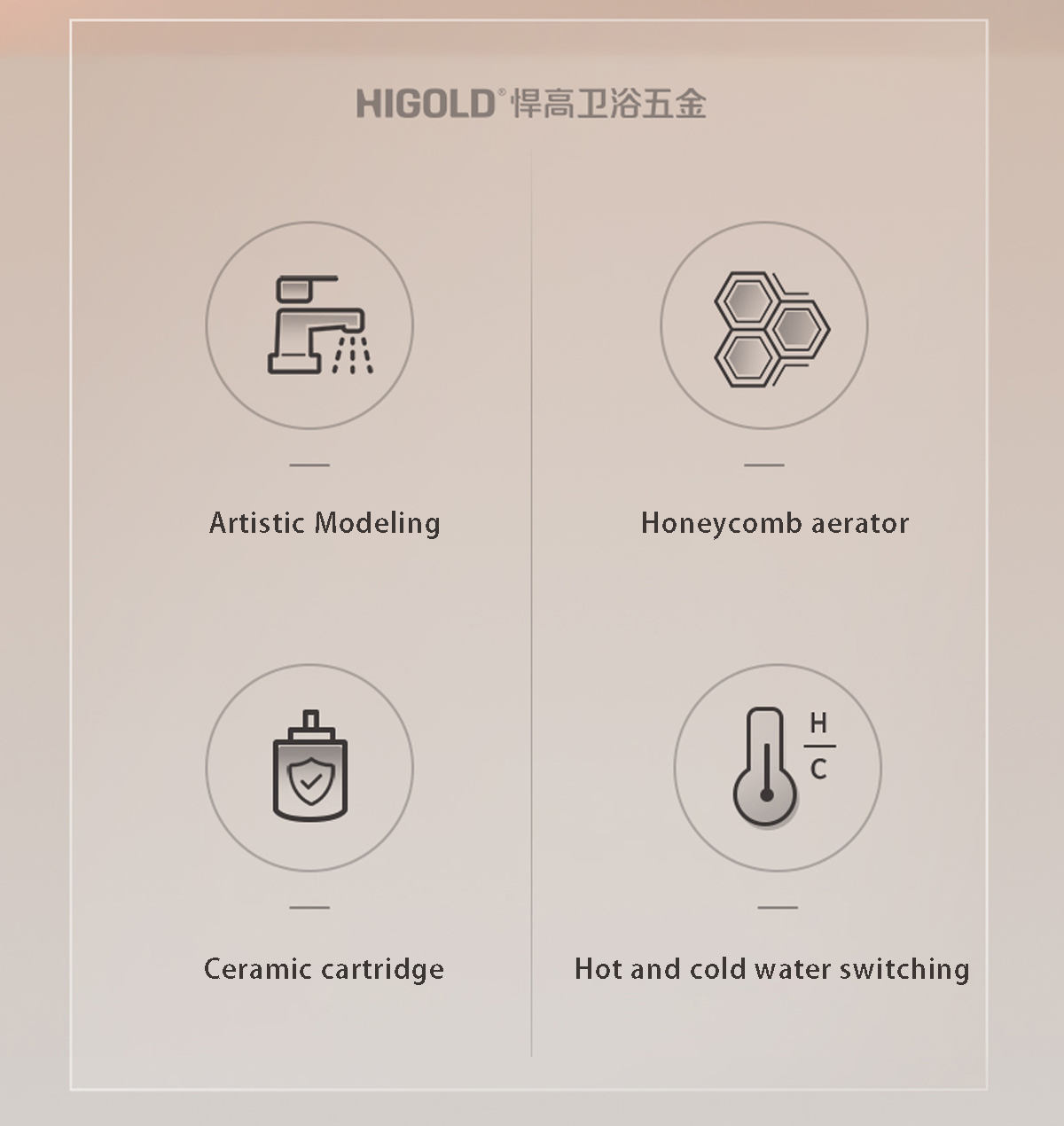
Most bathroom basin faucets offer hot and cold water adjustment functions. Users can adjust the water temperature using a handle or knob for a comfortable wash experience. Some high-end models feature ceramic valve cartridges for smooth and durable operation, allowing for precise control of water temperature and flow.
2. Diverse Water Spray Methods
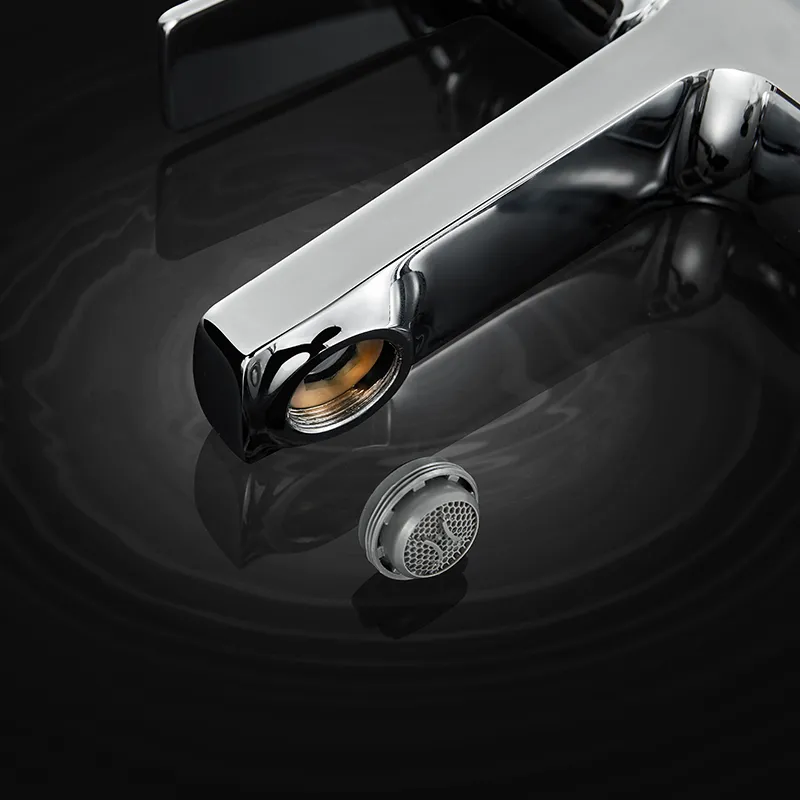
Bathroom basin faucets are constantly being optimized with various water spray methods, including standard direct flow, air injection, mist spray, and sensor spray. Different spray methods not only enhance user comfort but also contribute to water conservation. Air injection spray increases the fullness of the water flow while reducing water flow, thus conserving water.
3. Ergonomic Design
Bathroom basin faucets should be designed with ergonomic considerations, including height, spray angle, and handle placement, to ensure a natural and comfortable posture when washing hands and face, avoiding contact with the basin rim or splashing water out of the basin.
4. Hygienic and Splash-Resistant Design
Modern bathroom basin faucets feature splash-resistant designs on the spout and body. They also utilize antimicrobial coatings or stainless steel to reduce bacterial growth, providing a safer water environment for daily washing.
5. Easy Installation and Maintenance
Bathroom basin faucets are designed with daily maintenance in mind. The valve cartridge is removable and replaceable, making the spout easy to clean. They can be installed with either a single or multiple holes to accommodate various basin designs, making them convenient for home maintenance and replacement.
What are the different materials used for bathroom basin faucets?
The material is a key factor influencing the quality, lifespan, and user experience of a bathroom basin faucet. Common materials include the following:
1. Copper Faucets
Copper is one of the most common materials, offering excellent corrosion resistance and mechanical strength. Copper bathroom basin faucets are typically chrome- or nickel-plated for a bright, durable finish. They also have antibacterial properties, making them suitable for long-term home use.
2. Stainless Steel Faucets
Stainless steel is resistant to corrosion, high temperatures, and stains. Compared to copper faucets, stainless steel faucets offer a natural sheen and are easy to maintain, making them suitable for modern, minimalist bathrooms.
3. Alloy Faucets
Some low-cost bathroom basin faucets are made of zinc alloy or other metal alloys. Alloy faucets are low-cost, but their durability and corrosion resistance are slightly inferior to copper and stainless steel faucets.
4. Plastic or Composite Faucets
Some budget-friendly bathroom basin faucets are made of high-strength plastic or composite materials. While lightweight and inexpensive, they offer limited durability and can easily wear or develop scale deposits over time.
The choice of material directly impacts the faucet's lifespan, feel, and safety. Therefore, choosing a bathroom basin faucet requires careful consideration based on budget, decor style, and frequency of use.
How are bathroom basin faucets installed?
The installation method is a key aspect of bathroom basin faucet design, with different installation methods suited to different basin types and bathroom layouts.
1. Single-Hole Installation
Single-Hole Bathroom Basin Faucet incorporates both the hot and cold water valves into a single handle, allowing for adjustment of water temperature and flow rate by twisting or pulling. Single-Hole Installation is ideal for small basins, offering simple operation, a clean appearance, and ease of cleaning.
2. Three-Hole Installation
A three-hole bathroom basin faucet includes separate hot and cold water valves and a spout. It's suitable for large basins or those requiring independent hot and cold water control. While the three-hole installation offers a more stable appearance, it takes up more space on the basin.
3. Countertop Installation
A countertop bathroom basin faucet is mounted directly above the basin or countertop. It's compatible with most countertop basins and is easy to install and replace.
4. Undercounter Installation
An undercounter installation secures the faucet below the countertop, with the spout extending into the basin. This aesthetically pleasing installation method complements a unified bathroom style, but it's relatively difficult to install and maintain.
The installation method you choose should be based on the basin type, bathroom space, and aesthetic requirements, while also considering ease of daily maintenance.
What are the advantages and disadvantages of a bathroom basin faucet?
Bathroom basin faucet advantages:
• Convenient operation: Easy hot and cold water adjustment, smooth water flow, and comfortable use.
• Improved hygiene: Antibacterial materials and a splash-proof design reduce bacterial growth.
• Aesthetics: A variety of designs complement different decor styles.
• Water-saving and environmentally friendly: Some models feature optimized water flow, ensuring user comfort while reducing water flow and conserving water.
• Durability: Copper or stainless steel faucets have a long service life and are corrosion-resistant and stain-resistant.
Disadvantages of bathroom basin faucets
• Cost: High-quality bathroom basin faucets are more expensive than standard faucets.
• Maintenance requirements: The valve core or water outlet is prone to scale accumulation and requires regular cleaning and maintenance.
• Space requirements: Some three-hole or large faucets require more space and may not be suitable for small bathrooms.
How to choose a bathroom basin faucet?
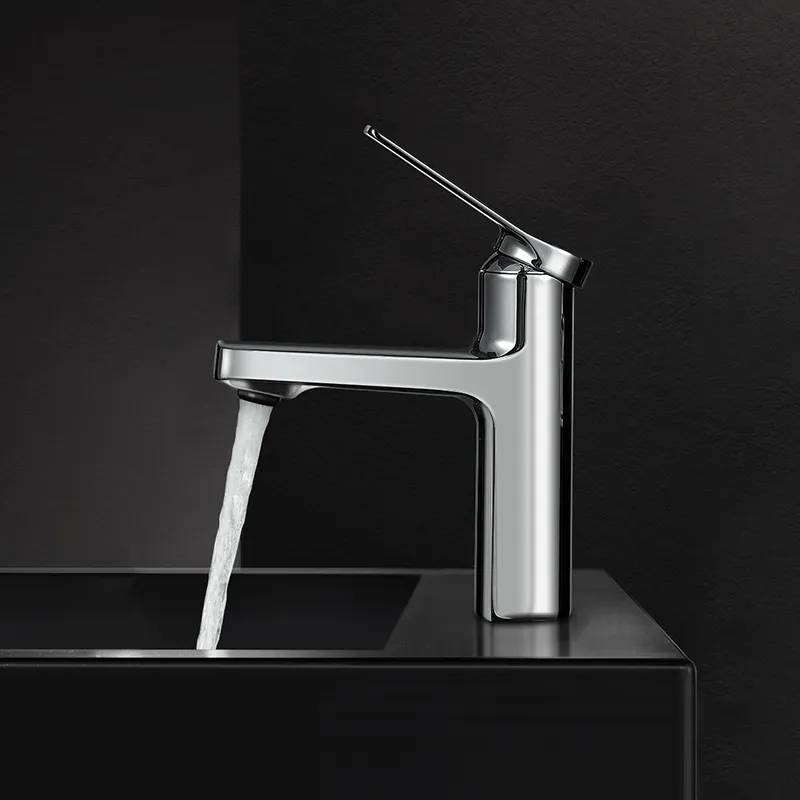
When choosing a bathroom basin faucet, consider the following aspects:
• Material: Copper or stainless steel are preferred, balancing durability and safety.
• Water flow: Choose between direct flow or air injection, depending on your bathroom habits.
• Comfort: The handle design should be ergonomic, with smooth and sensitive hot and cold adjustment.
• Installation: Choose between single-hole, three-hole, or above-counter or below-counter installation, depending on the basin's location and bathroom space.
• Appearance: Blend with the overall bathroom decor for a unified aesthetic.
• Brand and After-Sales Service: Choose a reputable brand with comprehensive after-sales service to ensure long-term user experience.
Can Higold handle large purchasing orders?
Yes, our factory is equipped to manage large-scale wholesale and bulk purchasing orders. With automated production lines and over 2,000 employees, we can efficiently supply retailers, distributors, and brands. Buyers can request competitive prices, enjoy promotional discounts, and rely on Higold's high quality standards for every shipment.

