

When choosing a stainless steel sink, consumers often face a dilemma: is a 304 stainless steel sink or a 316 stainless steel sink healthier? This not only relates to the aesthetics and durability of the kitchen but also directly impacts the hygiene and safety of family food.
This article will delve into the differences and advantages/disadvantages of 304 and 316 stainless steel sinks from multiple professional perspectives, including material composition, health and safety, corrosion resistance, durability, and usability, helping consumers make the most suitable and healthy sink choice.
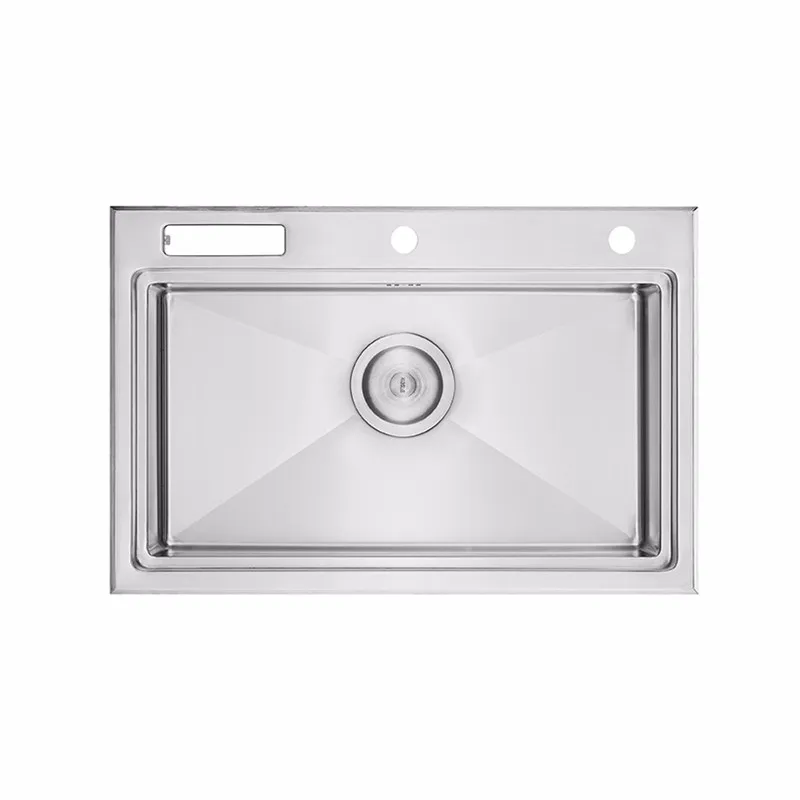
304 vs. 316 Stainless Steel Sinks: What are the Differences?
1. 304 Stainless Steel Sinks
304 stainless steel sinks are the most common type of sink in family kitchens. Their material is based on 18/8 stainless steel, containing 18% chromium and 8% nickel. This material has excellent corrosion resistance, oxidation resistance, and machinability. Due to its moderate price, mature processing technology, and smooth surface, 304 stainless steel sinks have become the mainstream choice for kitchen sinks.
304 stainless steel sinks, under normal kitchen conditions, can withstand long-term contact with water, salt, and the acidic and alkaline substances in everyday food without easily rusting. Their smooth surface is easy to clean, making them suitable for most family kitchens and a basic guarantee of a healthy kitchen sink.
2. 316 Stainless Steel Sinks
316 stainless steel sinks are a higher grade of stainless steel. In addition to chromium and nickel, they contain 2% to 3% molybdenum. This alloy structure makes 316 stainless steel sinks superior to 304 stainless steel sinks in corrosion resistance, especially when in contact with chlorine-containing environments or acidic foods.
316 stainless steel sinks are typically used in high-end kitchens or environments with higher requirements for corrosion resistance. Due to its extremely high chemical stability, it has less impact on water quality and food safety over long-term use, effectively preventing the leaching of metal ions and improving the health level of the family kitchen.
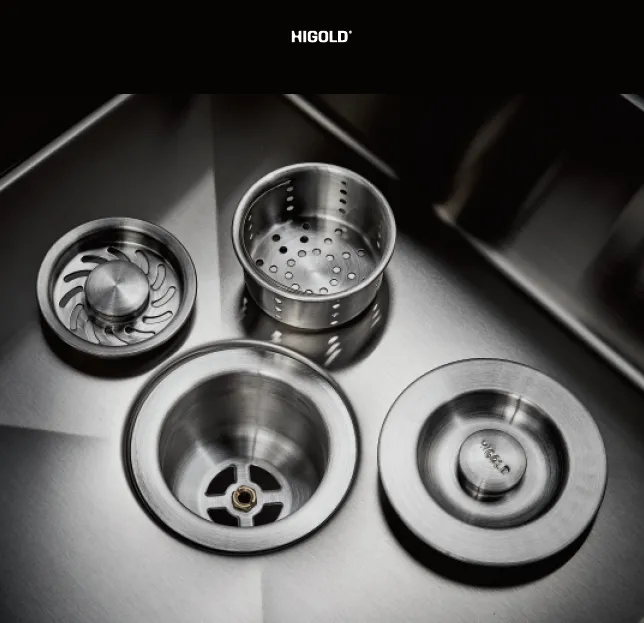
What are the health effects of stainless steel sink materials?
When choosing a stainless steel sink, the material composition is a key factor in determining its health benefits. Both 304 and 316 stainless steel sinks are food-grade stainless steel, offering high safety, but there are still subtle differences:
• 304 Stainless Steel Sinks: Under normal use, 304 stainless steel sinks do not release harmful substances and are safe for contact with drinking water and food. However, prolonged contact with strong acids, alkalis, or chlorine-containing environments may result in the release of trace amounts of metal ions, posing a health risk to sensitive individuals.
• 316 Stainless Steel Sinks: Due to the addition of molybdenum, 316 stainless steel sinks are more resistant to chloride ions and acidic substances. Even in high-salt, high-acid kitchen environments, the release of metal ions is minimal, making them safer and more reliable.
Therefore, from a health perspective, if a family kitchen frequently handles food with high salt content or strong acidity, a 316 stainless steel sink is safer; however, in ordinary household environments, a 304 stainless steel sink fully meets health requirements.
304 vs. 316 Stainless Steel Sinks: Corrosion Resistance Comparison
Corrosion resistance is one of the important indicators for judging the quality of sink materials. Kitchen sinks are in constant contact with water, food, and cleaning agents. Poor corrosion resistance can lead to rust and the leaching of metal ions, potentially impacting health.
• Corrosion resistance of 304 stainless steel sinks: Suitable for general household environments. 304 stainless steel sinks are stable in fresh water, with cleaning agents, or with neutral food. However, under prolonged exposure to chlorinated water, sea salt, or acidic seasonings, fine corrosion spots may appear on the surface.
• Corrosion resistance of 316 stainless steel sinks: The addition of molybdenum significantly enhances corrosion resistance, especially in chlorinated environments. 316 stainless steel sinks maintain a smooth surface and are less prone to rusting or leaching of metal ions even after prolonged contact with acidic substances such as salt water, fruit juice, and vinegar.
In summary, 316 stainless steel sinks are significantly superior to 304 stainless steel sinks in terms of corrosion resistance, offering a clear advantage for families seeking healthy and durable kitchens.
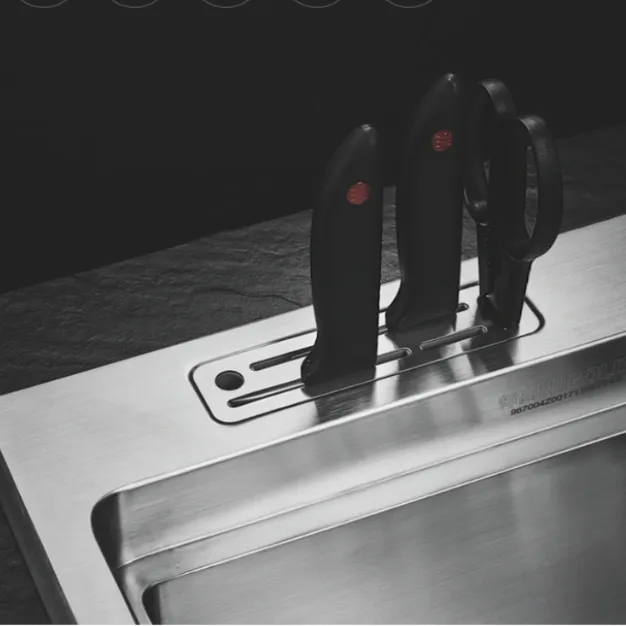
304 vs. 316 Stainless Steel Sinks: Durability and Mechanical Properties
Durability not only affects the lifespan of a sink but also impacts safety and health during use:
• 304 Stainless Steel Sinks: 304 stainless steel sinks, with their moderate thickness, can withstand the pressure of daily use, such as the impact of washing dishes, pots, or cutting boards. However, under high-frequency use or heavy impacts, slight dents or deformations may occur, especially in thinner models.
• 316 Stainless Steel Sinks: Superior mechanical properties, with strong impact resistance and wear resistance. Even after long-term use and heavy impacts or frequent washing, the sink remains stable and not easily deformed, while maintaining its surface finish over time.
Therefore, from the perspective of long-term durability and health maintenance, 316 stainless steel sinks are more stable in daily use, reducing the risk of bacterial growth from sink breakage and further ensuring a healthy family kitchen.
304 vs. 316 Stainless Steel Sinks: Ease of Cleaning and Maintenance
The healthy use of stainless steel sinks depends on daily cleaning and maintenance. Different sink materials affect surface properties, influencing dirt adhesion and cleaning difficulty:
• 304 Stainless Steel Sinks: Smooth surface, relatively easy to clean, but may develop water stains or minor scratches after prolonged contact with hard water or oil, requiring regular cleaning with a neutral detergent.
• 316 Stainless Steel Sinks: Highly corrosion-resistant surface, dirt and water stains do not easily adhere, and scratches are less noticeable. Cleaning only requires warm water and a soft cloth, reducing the frequency of chemical cleaning agent use and further lowering health risks.
Therefore, from the perspective of ease of cleaning and health maintenance, 316 stainless steel sinks are slightly superior to 304 stainless steel sinks, especially suitable for families with high hygiene requirements in the kitchen.
304 vs. 316 Stainless Steel Sinks: Applicable Environment Analysis
Different kitchen environments have different requirements for sink materials:
• Typical Family Kitchens: Water with low chlorine content, daily cooking mainly using fresh water and neutral ingredients, 304 stainless steel sinks fully meet health requirements and offer high cost-effectiveness.
• Kitchens frequently handling high-salt or acidic foods: For kitchens where pickled foods, vinegar, juice, and seafood are frequently processed, 316 stainless steel sinks offer superior corrosion resistance, ensuring long-term health and preventing metal ion leaching and surface corrosion.
• Commercial kitchens or high-end home kitchens: In kitchen environments with high usage frequency and complex material contact, 316 stainless steel sinks provide more stable and safer health protection, with low maintenance costs and a long service life.
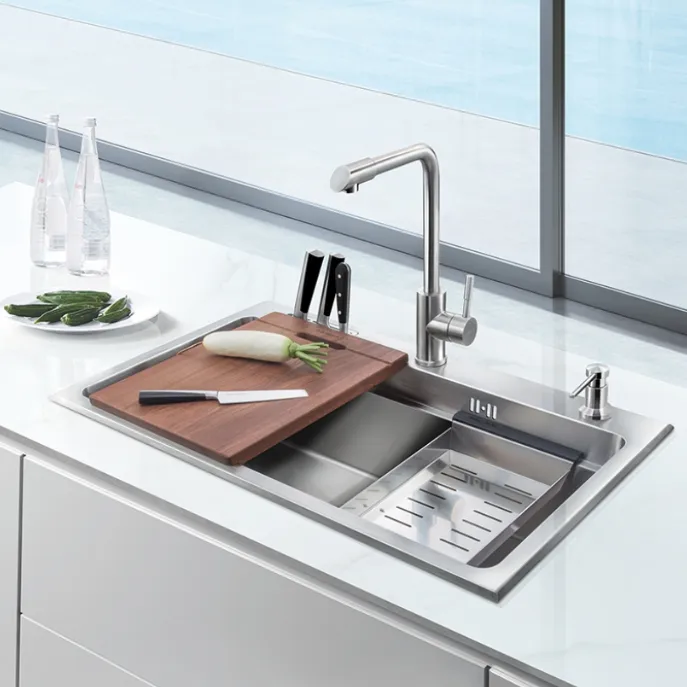
304 vs. 316 Stainless Steel Sinks: Purchasing Recommendations
When choosing a 304 or 316 stainless steel sink, consumers should pay attention to the following factors:
• Material Grade: Ensure you purchase a food-grade 304 or 316 stainless steel sink to avoid low-cost, counterfeit products.
• Thickness and Structure: Choose a sink with a thickness of 1.0mm or more, with a shock-absorbing pad or reinforcing ribs at the bottom to ensure stability and durability.
• Surface Treatment: Brushed or polished surfaces should be even and smooth to reduce dirt adhesion and scratches, improving ease of cleaning.
• Usage Environment: Material selection should be determined based on daily kitchen usage. 304 stainless steel sinks are suitable for ordinary family kitchens, while 316 stainless steel sinks are recommended for high-salt, high-acid environments or long-term use.
• Accessories and Installation: Pay attention to the matching drainage system, filter, and installation method to ensure the sink's long-term safe and stable use.
How Competitive Are Higold’s Prices for Stainless Steel Sinks?
As a leading manufacturer in China, Higold controls material sourcing, production, and quality management, enabling competitive wholesale pricing. Automated systems reduce production costs while maintaining premium quality. Buyers purchasing in bulk enjoy stable pricing tiers, long-term supply plans, and profitable resale margins for stainless steel sinks and SUS304 faucets.

