

Stainless Steel Kitchen Sinks: Many families use various household cleaners or natural cleaning methods for daily cleaning, one of the most common being vinegar.
Vinegar is considered a natural detergent, effectively removing limescale, soap scum, and grease. However, many people worry: Will vinegar damage kitchen stainless steel sinks? Is it really safe and effective?
This article will systematically analyze the relationship between vinegar and kitchen stainless steel sinks from multiple perspectives, including chemical principles, material properties, correct usage methods, and precautions, helping you scientifically determine whether vinegar can be used to clean your stainless steel sink.
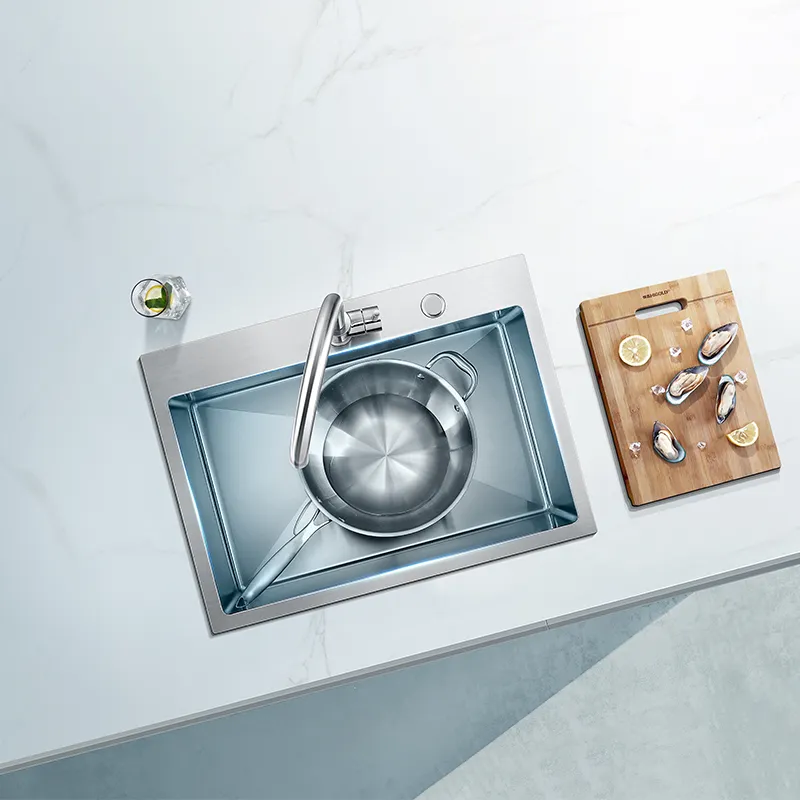
Why are stainless steel kitchen sinks often cleaned with vinegar?
Before discussing whether it will cause damage, it's important to understand why people like to use vinegar for cleaning.
1. The Cleaning Principle of Vinegar
The main component of vinegar is acetic acid, with a concentration generally between 3% and 6%. Acetic acid, a weak acid, can effectively break down:
• Calcium carbonate scale (mineral deposits in tap water);
• Soap scum and grease residue;
• Metal oxide layers.
Because these stains often appear on stainless steel kitchen sinks, vinegar is widely used to remove stubborn spots and restore shine.
2. Vinegar is considered a "mild" cleaner
Compared to strong acids (such as hydrochloric acid and sulfuric acid) or strong alkalis (such as bleach and sodium hydroxide), vinegar is a weak acid and has lower corrosiveness to most metals. Therefore, it is generally believed that vinegar is a safe, environmentally friendly, and non-irritating household cleaning product.
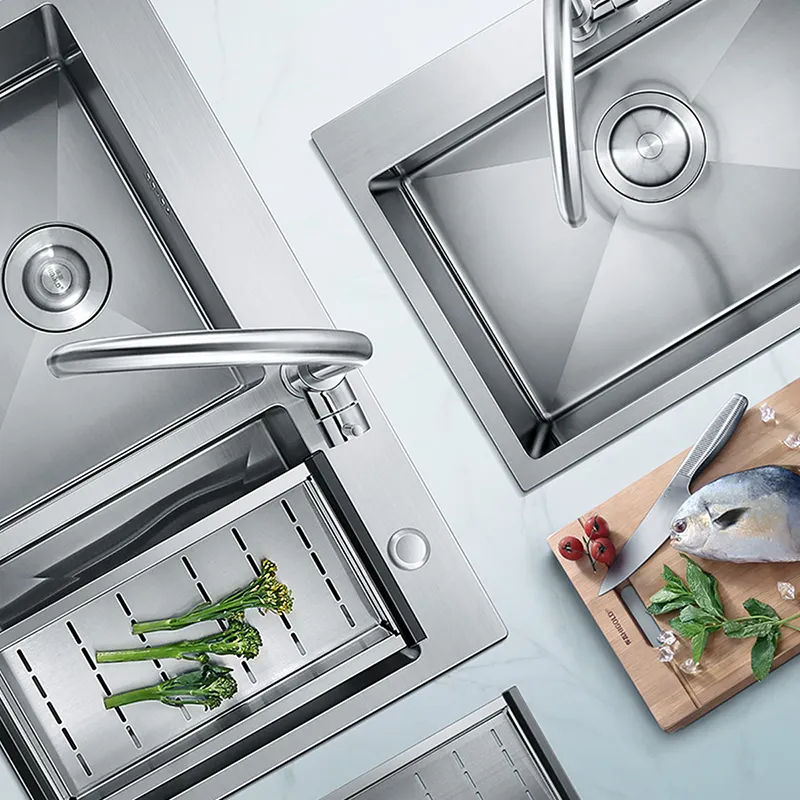
But is this really the case?
To determine whether vinegar will damage a kitchen stainless steel sink, it is necessary to understand the chemical properties of stainless steel.
The material properties of kitchen stainless steel sinks determine their "corrosion resistance"
1. Stainless steel is not "rust-free"
Stainless steel kitchen sinks are usually made of 304 or 316 stainless steel. Its rust-preventing principle comes from a protective layer called a passivation film—an extremely thin oxide film formed by the reaction of chromium with oxygen, which prevents oxygen and moisture from further corroding the metal surface.
However, this passivation film is not indestructible. When exposed to strong acids, strong alkalis, salts, or high temperatures, the protective layer weakens, leading to a loss of luster and even corrosion spots.
2. Weak acid environments can also damage the passivation layer
Although vinegar is a weak acid, prolonged and repeated contact, especially under high temperatures or high concentrations, can slowly damage the passivation layer. This means that while vinegar can clean stainless steel kitchen sinks, it should not be left in for extended periods or used in excessive amounts.
Will vinegar really damage stainless steel kitchen sinks?
The answer is: short-term use will not cause damage, but improper use can indeed cause surface corrosion.
1. The corrosiveness of vinegar depends on time and concentration
• Short contact (5-10 minutes): Generally safe, effectively dissolves limescale;
• Prolonged soaking (over 30 minutes): May damage the surface passivation layer;
• High concentrations of industrial vinegar or cleaning vinegar (>10%): Significantly increases the risk of corrosion.
If you pour vinegar directly into a kitchen stainless steel sink and don't rinse it for a long time, it may cause dark spots, dullness, or even micro-pitting corrosion on the surface.
2. Mixing cleaning agents may trigger reactions
Some people like to mix vinegar with baking soda, bleach, etc., but this is strongly discouraged.
• Mixing vinegar and baking soda produces carbon dioxide bubbles, which, while seemingly powerful, weakens the acetic acid concentration and reduces cleaning efficiency.
• Mixing vinegar and bleach produces chlorine gas, which is toxic and highly corrosive to stainless steel surfaces.
Therefore, when cleaning stainless steel kitchen sinks, vinegar should be used alone, and the usage time should be strictly controlled.
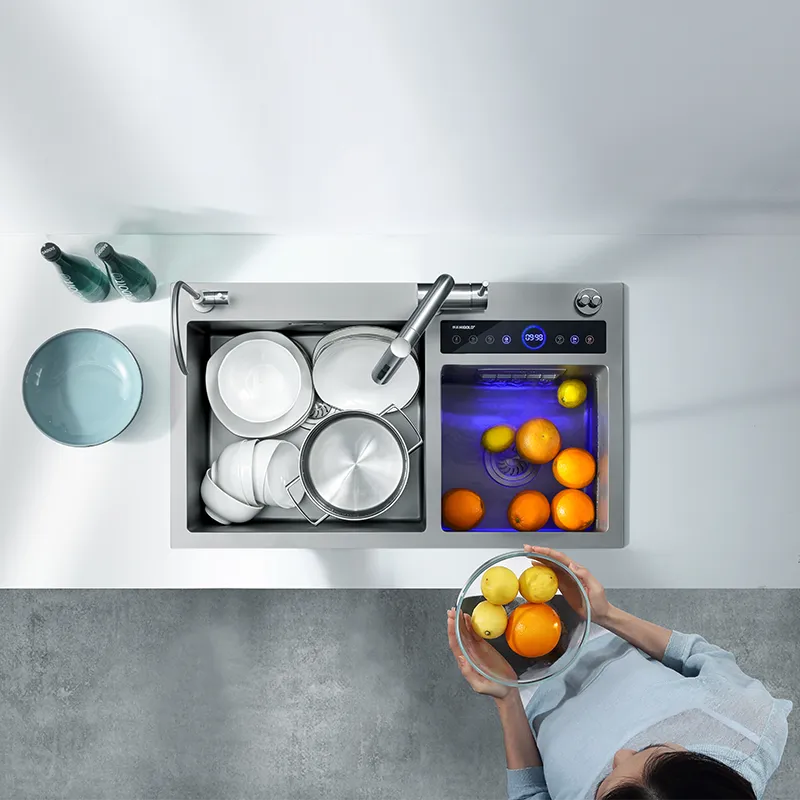
When is it safe to use vinegar to clean stainless steel kitchen sinks?
While vinegar carries potential risks, it remains a highly effective natural cleaner when used correctly.
Here are some safe usage scenarios:
1. Removing limescale and white spots
Stainless steel kitchen sinks are prone to developing white limescale deposits after prolonged exposure to hard water. Gently wiping with diluted vinegar can restore their shine.
Correct steps:
• Mix vinegar and water in a 1:1 or 1:2 ratio;
• Spray the mixture onto the surface or wipe with a damp cloth;
• Leave on for no more than 5 minutes;
• Rinse thoroughly with clean water and dry.
2. Removing soap stains and grease
Vinegar can break down alkaline residues (such as soap films) and dissolve surface grease buildup, restoring the original shine to kitchen stainless steel sinks.
Tip: For thicker grease buildup, pre-wash with warm water and dish soap, then use vinegar water for a second cleaning.
3. Eliminating odors
The sink drain is often a source of odors. Pour diluted vinegar into the drain, let it sit for 5 minutes, then rinse. This effectively inhibits bacterial growth and keeps stainless steel drainage systems clean.
Which cleaning methods can turn vinegar into a "hidden destroyer"?
Many people mistakenly believe that "natural cleaners are absolutely safe," but this is not the case.
The following incorrect practices can cause potential damage to stainless steel kitchen sinks from vinegar.
1. Prolonged Soaking
If the passivation film on stainless steel is corroded by acidic solutions for an extended period, the surface may become dull and even develop tiny pits.
Example of Incorrect Practice: Soaking a cloth in vinegar and covering the sink for several hours—this practice easily causes localized corrosion.
2. Using Undiluted Concentrated Vinegar
Undiluted edible vinegar has a high acidity (approximately 6%). If poured directly onto the stainless steel surface, it can easily cause a chemical reaction, resulting in tiny discoloration spots.
3. Using Vinegar Simultaneously with Metal Brushes or Steel Wool
Acidic substances weaken the surface oxide film, while the friction of metal brushes damages the physical protective layer. The combination of these two factors exacerbates the formation of scratches and oxidation points.
4. Inadequate Rinsing
If not thoroughly rinsed after vinegar cleaning, residual acidic substances will continue to react in the air, causing localized darkening of the stainless steel kitchen sink.
Scientific Steps for Cleaning Stainless Steel Kitchen Sinks with Vinegar
Using vinegar correctly is not only safe but also makes the sink look brand new. Here are the scientific steps:
Step 1: Prepare the Diluted Solution
The recommended mixing ratio is 1 part vinegar + 2 parts warm water.
Use a spray bottle or a soft cloth to apply the solution; avoid pouring it directly.
Step 2: Wipe Evenly
Use a soft sponge or microfiber cloth to gently wipe along the grain of the stainless steel, avoiding friction against the grain.
Step 3: Short Leave-on Time
Let the vinegar solution sit on the stain for about 5 minutes, which is sufficient to break down alkaline limescale; no longer is necessary.
Step 4: Rinse with Clean Water
Rinse thoroughly with running water, ensuring no acidic residue remains.
Step 5: Dry and Polish
Dry the surface with a dry cloth to prevent new water spots from forming after the water drips dry. To restore shine, lightly rub a small amount of cooking oil or a specialized stainless steel cleaner onto the surface.

Besides vinegar, what are some safer cleaning alternatives?
While vinegar works well for cleaning stainless steel kitchen sinks, for a gentler, long-term maintenance, consider the following alternatives:
1. Baking soda (sodium bicarbonate)
A weak alkaline substance that neutralizes grease and odors, with virtually no corrosiveness to stainless steel surfaces.
Can be used dry or mixed with a small amount of water to form a paste.
2. Neutral dish soap
The safest everyday cleaning option, without affecting the stability of the passivation layer.
3. Specialized stainless steel cleaning paste
Contains polishing ingredients that remove minor scratches and strengthen the protective layer.
4. Olive oil or mineral oil maintenance
Apply a thin film of oil after cleaning to slow down limescale buildup and maintain shine.
Can vinegar remove rust stains from stainless steel kitchen sinks?
Yes, but be mindful of the time. Vinegar can slightly dissolve iron oxide spots on the surface, but the contact time should not exceed 10 minutes, otherwise it may expand the corrosion area.
Why does my stainless steel sink become dull after cleaning?
This indicates that the vinegar was left on for too long or was not rinsed off completely, causing part of the passivation layer to dissolve. It is recommended to wash again with a neutral detergent and dry thoroughly.
Can I clean with vinegar every day?
It is not recommended. Frequent use of vinegar will weaken the stainless steel surface. It is recommended to use it once a week or every two weeks.
Can I use apple cider vinegar or white vinegar?
Apple cider vinegar and white vinegar have similar cleaning effects, but white vinegar has a higher acidity, so it is recommended to dilute it before use. Apple cider vinegar has a milder scent and is suitable for light cleaning.
What Materials Are Used in Higold Stainless Steel Faucets?
Higold faucets are produced mainly from premium SUS304 stainless steel, ensuring durability, corrosion resistance, and safe water contact. Precision machining and ceramic cartridges guarantee smooth operation. Buyers can purchase standard faucets or request custom designs with various finishes. Our stable production capacity supports long-term wholesale partnerships.

