
2026-05-19
Learn MoreNews

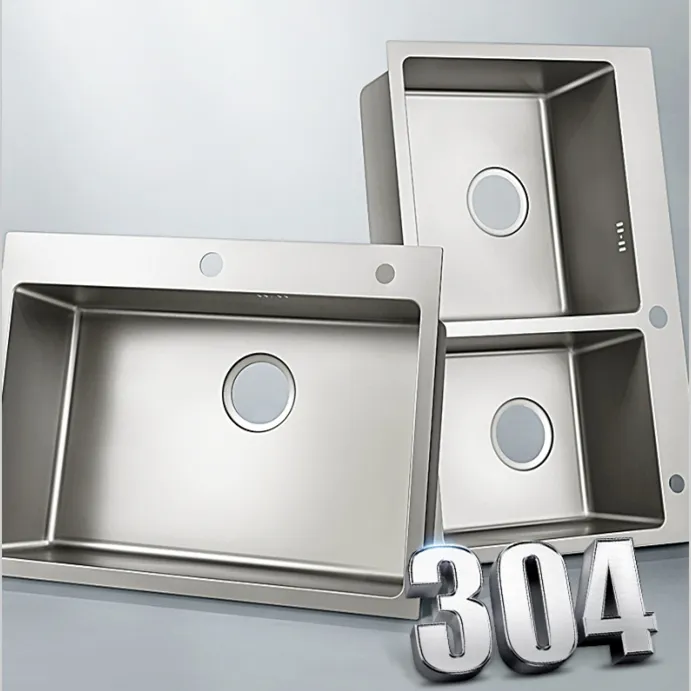
- Compared to low-nickel steels like 201 or 430, 304 stainless steel offers superior rust resistance. Under normal use, 304 stainless steel sinks can remain rust-free and colorfast for years, a key reason for their widespread use in both home and commercial kitchens.2025-12-30Learn More
- When the surface of 304 stainless steel is exposed to an oxygen environment, a very thin but dense chromium oxide film immediately forms. This film: Prevents oxygen from further oxidizing the internal iron. Therefore, 304 stainless steel sinks are inherently not prone to rusting in normal kitchen use environments.2025-12-26Learn More
- The answer is: Yes, but the probability and extent depend on usage and cleaning habits. Bacteria thrive in humid environments, and kitchen sinks, despite their high-quality materials, provide essential conditions for growth due to frequent use and constant moisture.2025-12-25Learn More
- 304 stainless steel sinks, under normal kitchen conditions, can withstand long-term contact with water, salt, and the acidic and alkaline substances in everyday food without easily rusting. Their smooth surface is easy to clean, making them suitable for most family kitchens and a basic guarantee of a healthy kitchen sink.2025-12-09Learn More
- PVD coating (Physical Vapor Depsosition) is a coating technology that deposits metal or ceramic materials onto the surface of a 304 stainless steel sink in a vacuum environment through physical vaporization, evaporation, or sputtering. This process does not involve chemical reactions, resulting in a high-purity, dense, and strongly adhesive coating.2025-12-04Learn More
- It evaporates a metal target into ions, which are then deposited onto the surface of a 304 stainless steel sink, forming a dense, strong, and corrosion-resistant metal film. This film is very thin, yet possesses extremely high strength and adhesion, significantly enhancing the appearance and performance of the 304 stainless steel sink.2025-12-03Learn More
- Many people, upon hearing "316 is better than 304," mistakenly believe that a higher-grade material must be more suitable for the kitchen. This is a common misconception. 304 can easily resist common kitchen irritants such as water, salt, alkali, and grease. The "extra corrosion resistance" of 316 is almost meaningless in a typical home environment.2025-11-13Learn More
- The grade of stainless steel usually refers to the classification standards of its chemical composition and physical properties. Common classification methods include ASTM standards in the United States, European standards, and Japanese standards. In the field of kitchen sinks, the most widely used is austenitic stainless steel, mainly including grades 304 and 316.2025-07-24Learn More
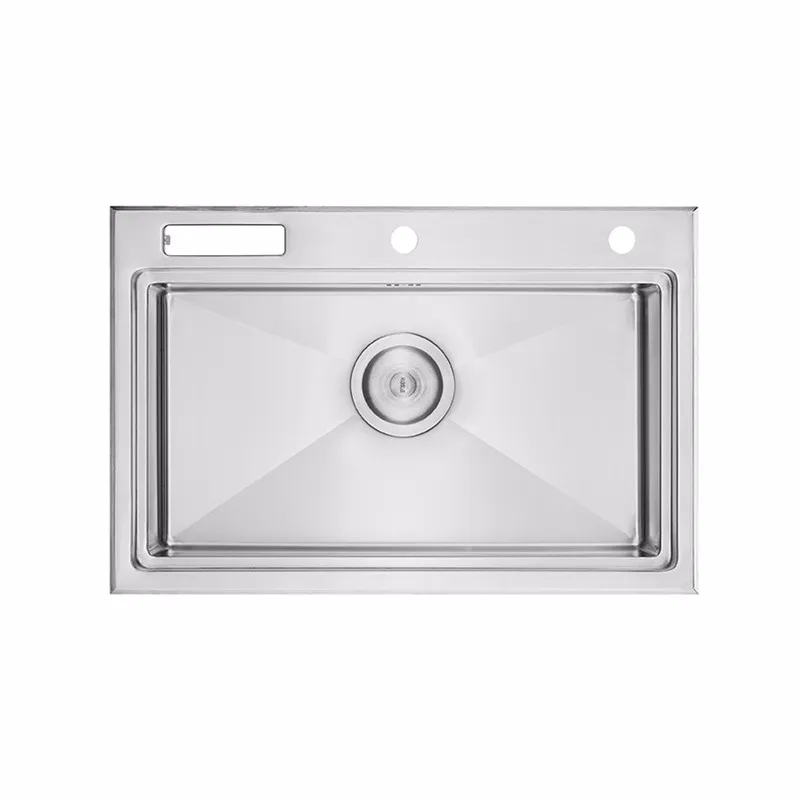
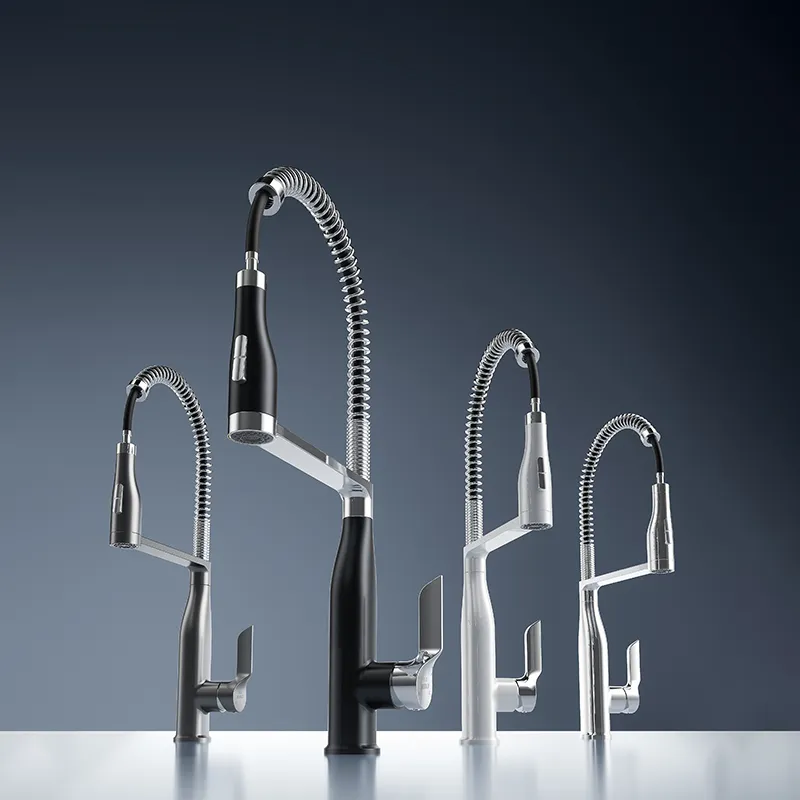
- A 2-hole kitchen faucet refers to a faucet that requires two holes to fix and connect during installation. A 3-hole faucet requires three holes to install, one of which is used to install the faucet itself, and the other two holes are used to control the water inlet pipes of hot and cold water respectively.2025-07-16Learn More